
%20detail%204.jpg)

-web.jpg)


.png)


-web.jpg)








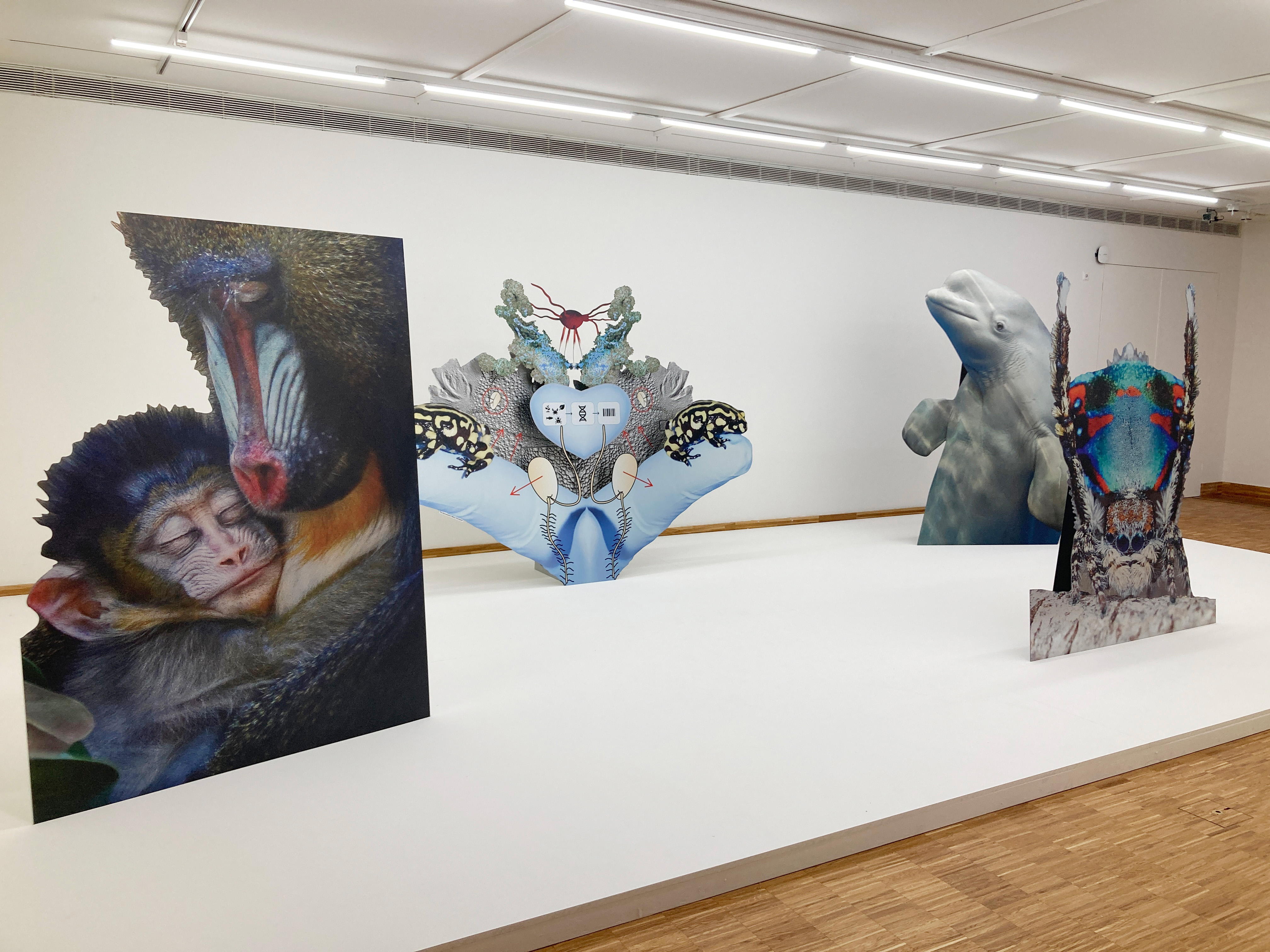
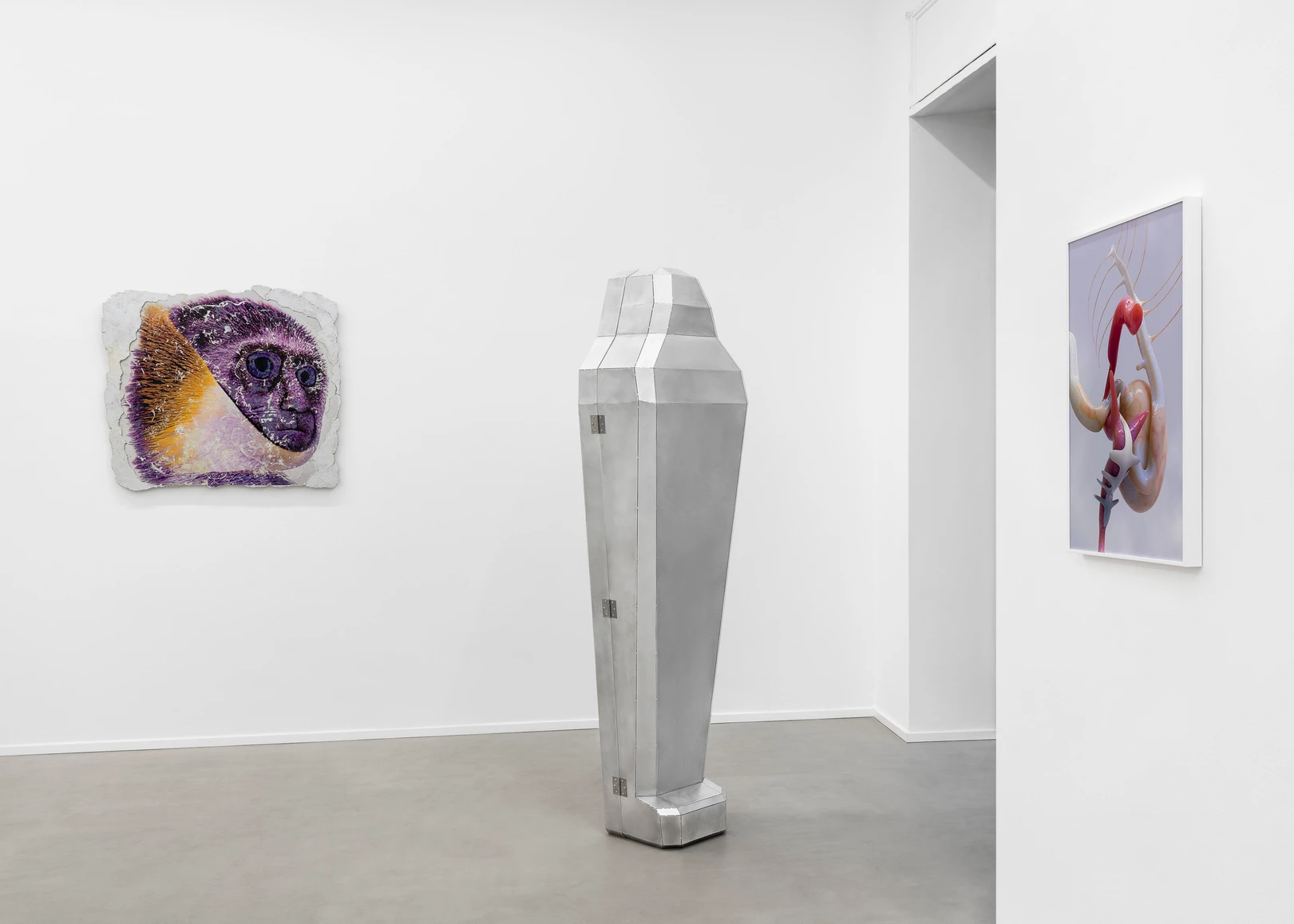

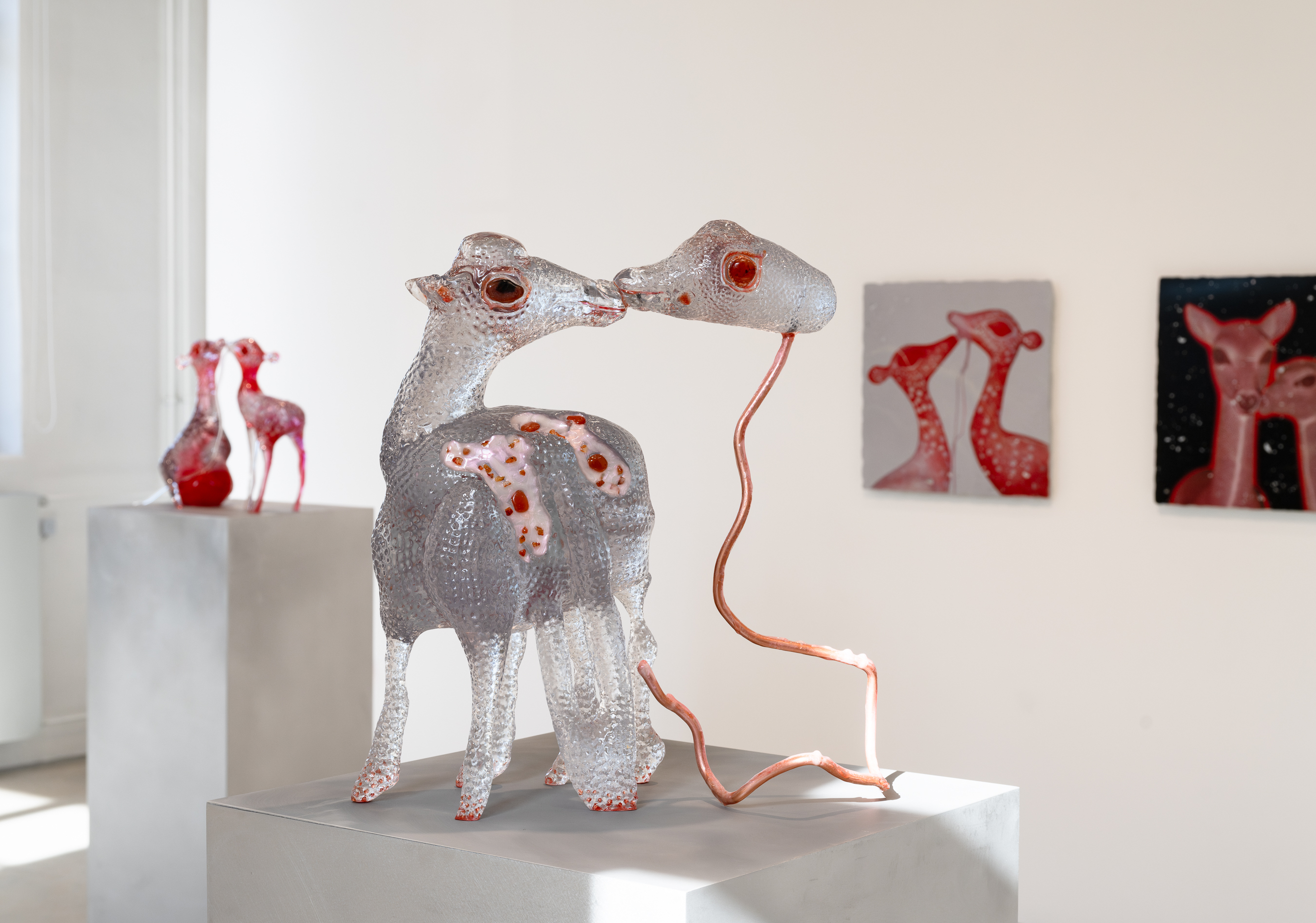


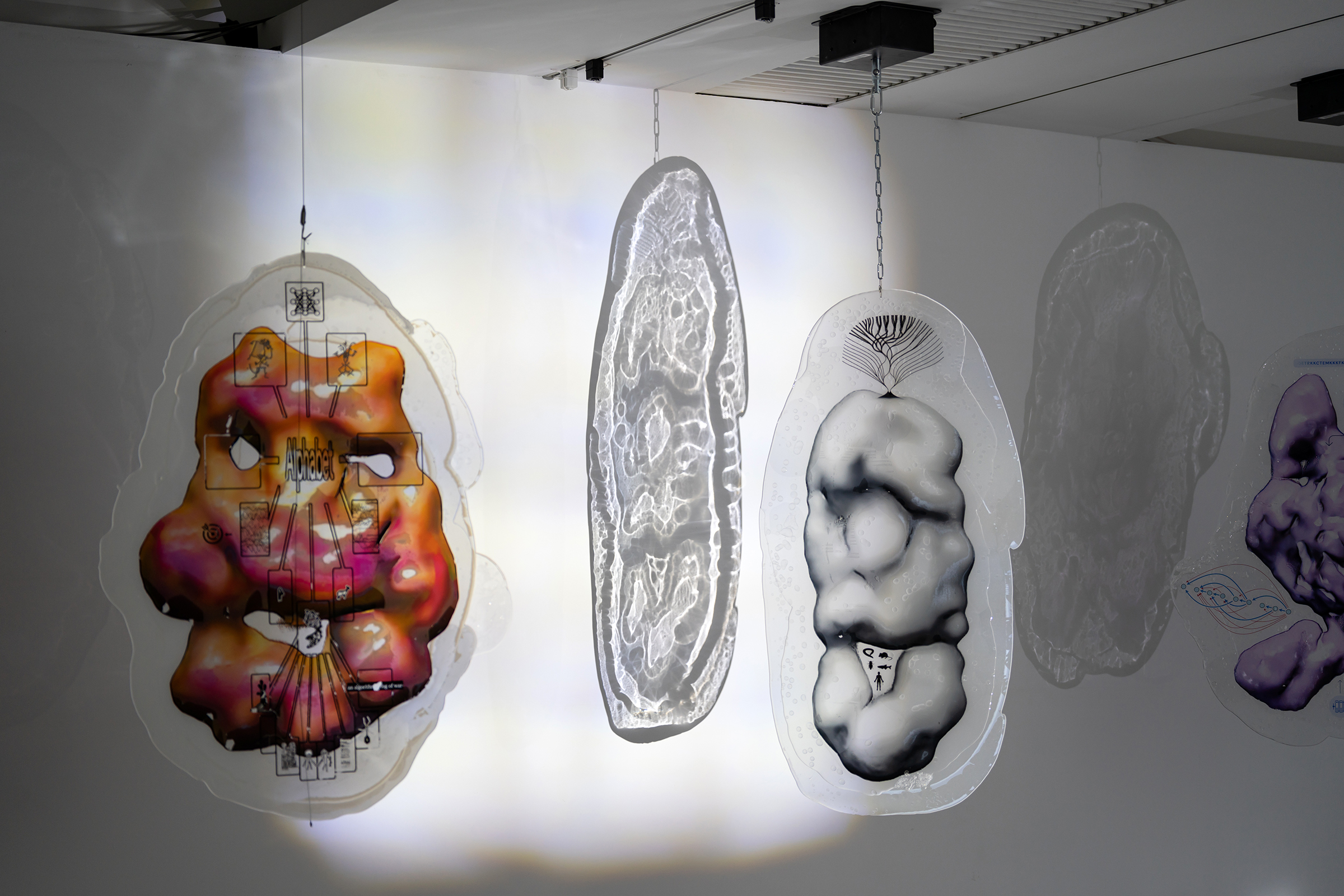
















.JPG)









-8.jpg)
-7.jpg)
-6.jpg)




_2015_web.jpg)

_web.jpg)
-web.jpg)



_2016.jpg)
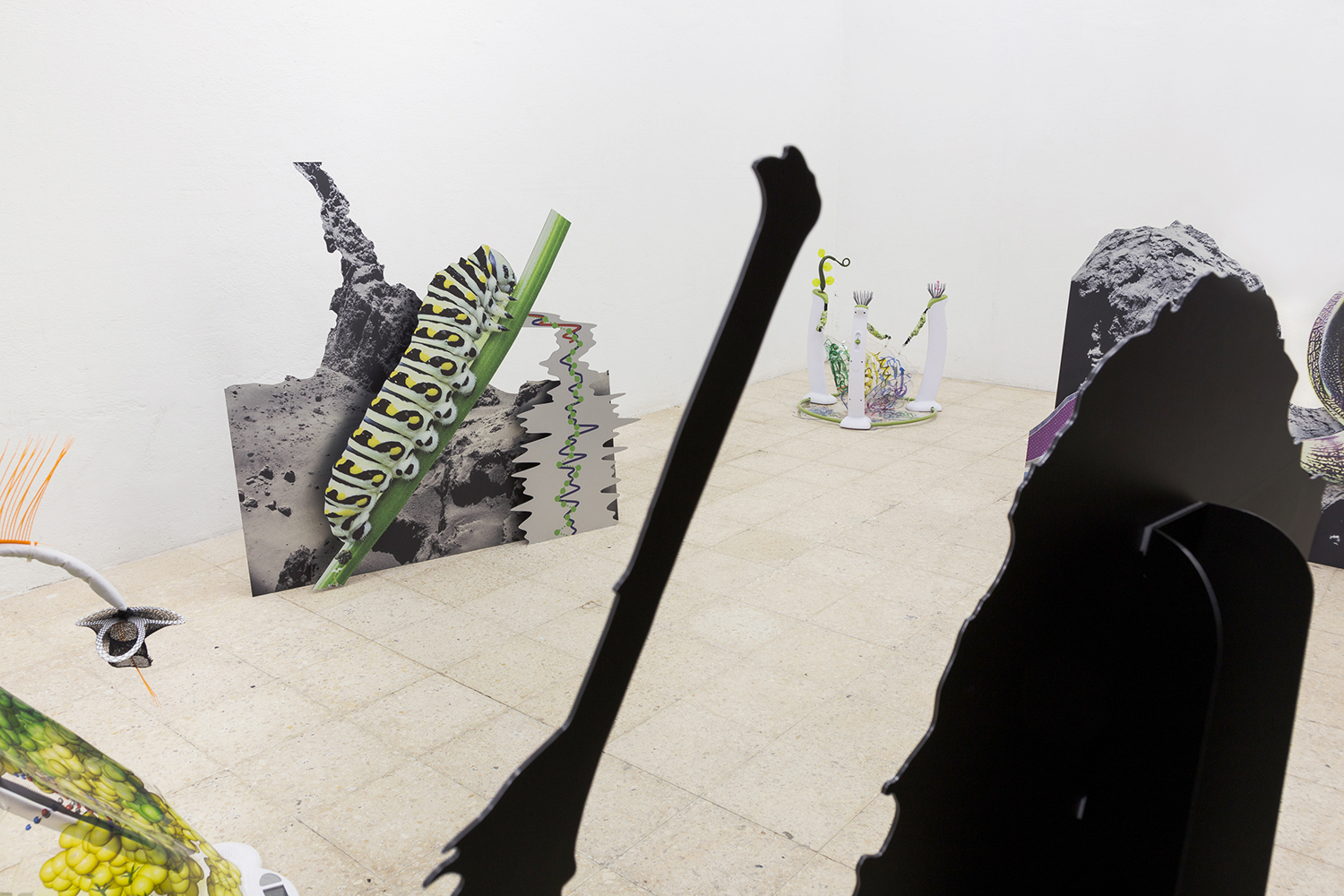
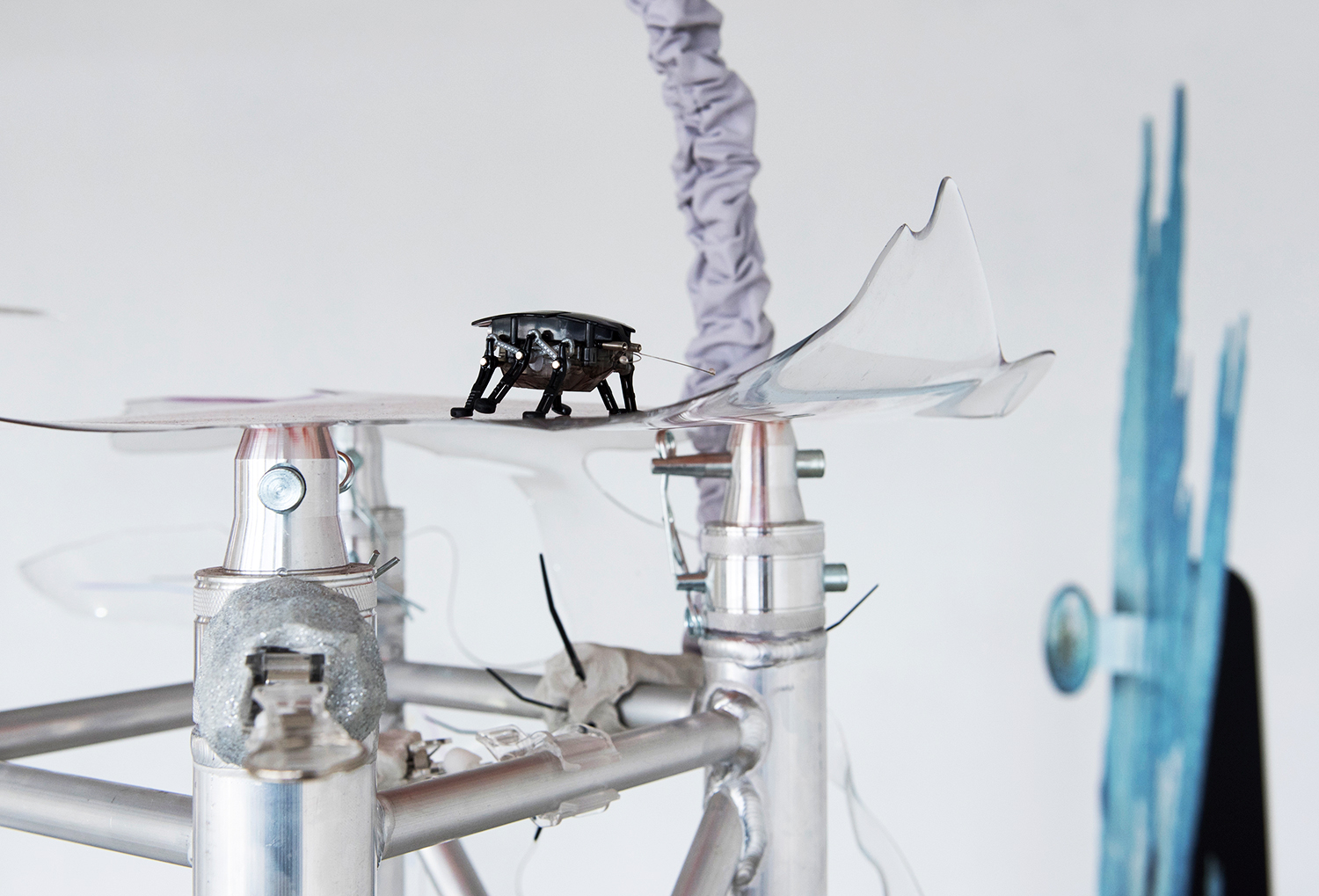
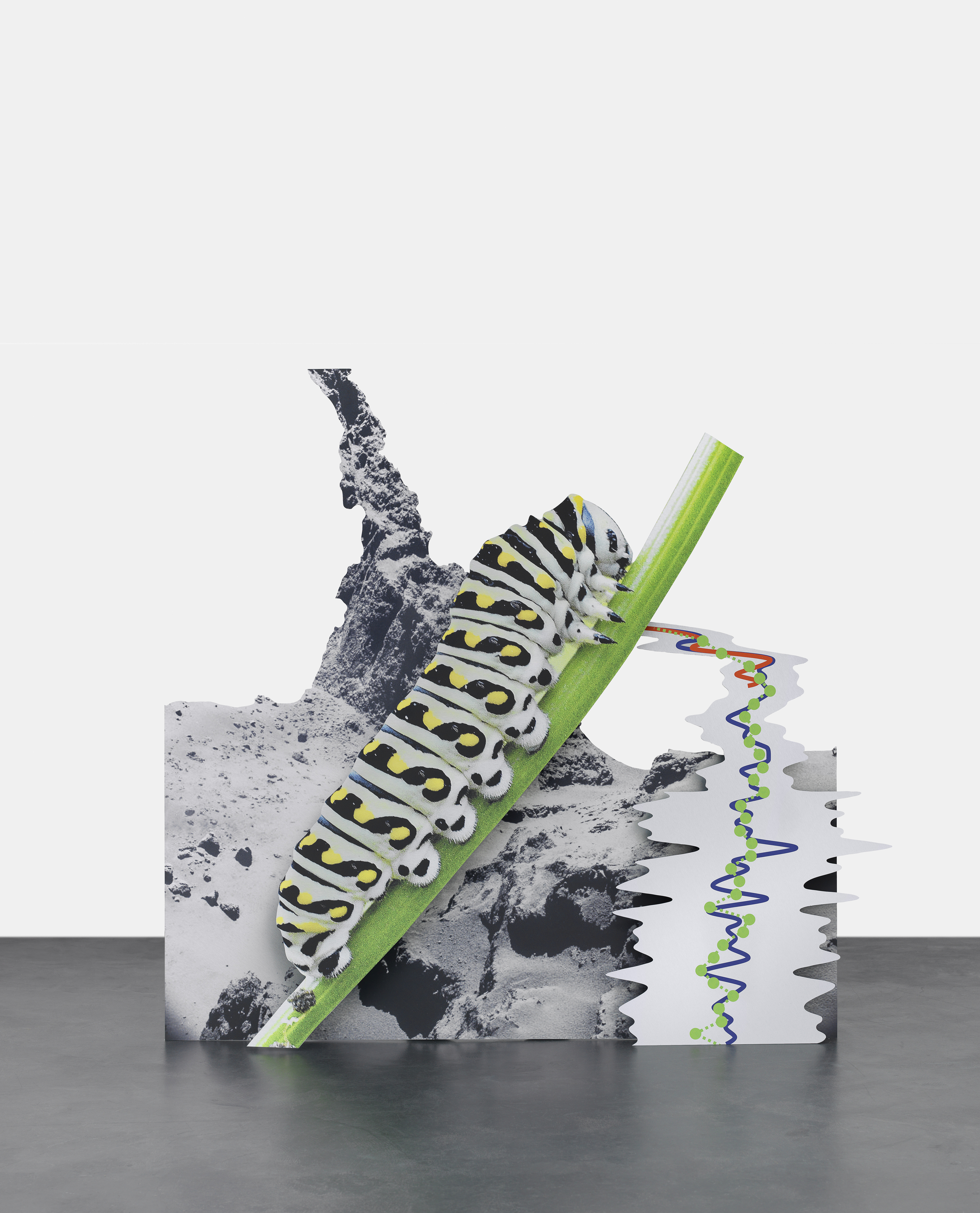
67P potential (caterpillar)
UV-resistant digital print on 2 layers of aluminium dibond, cutout display
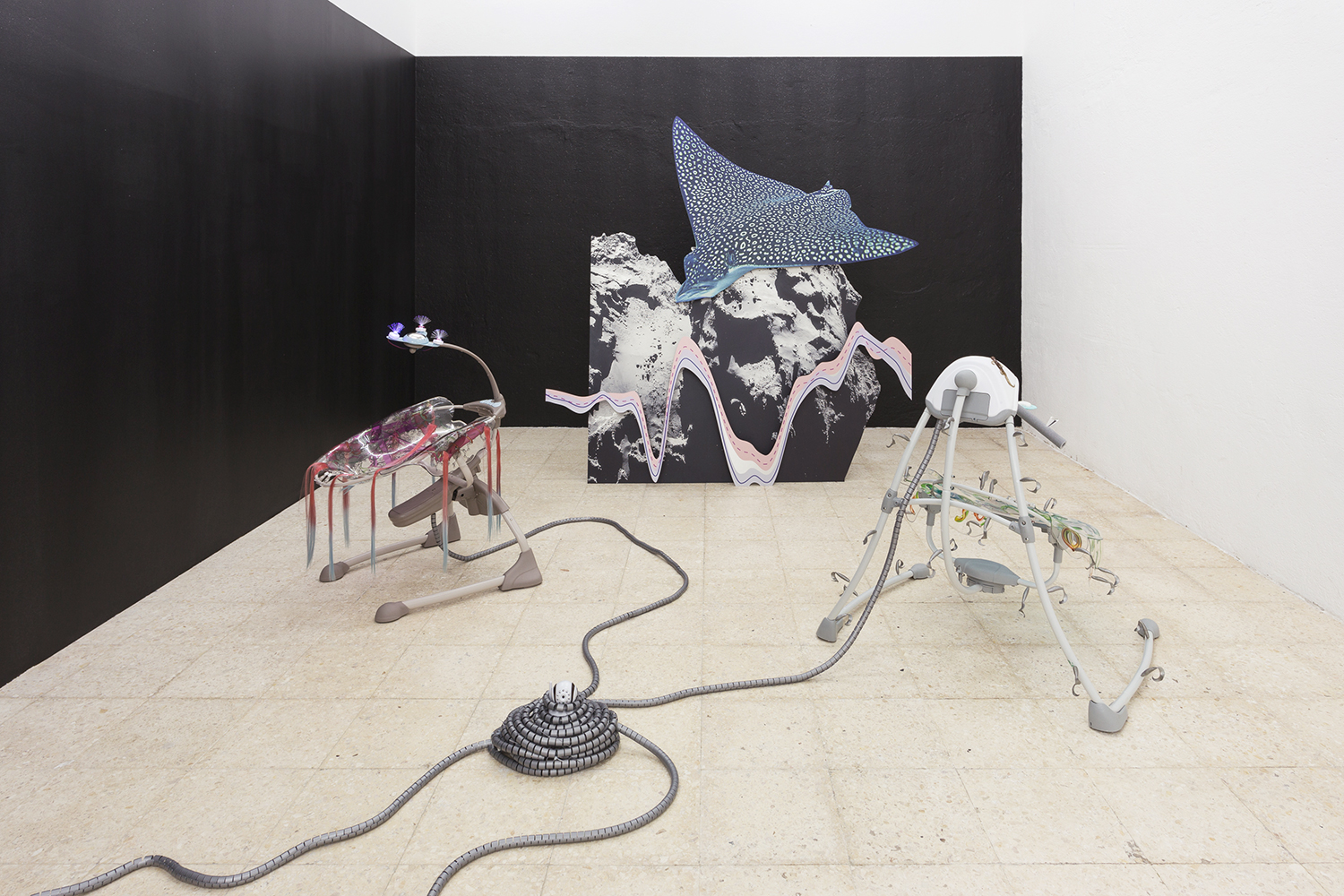
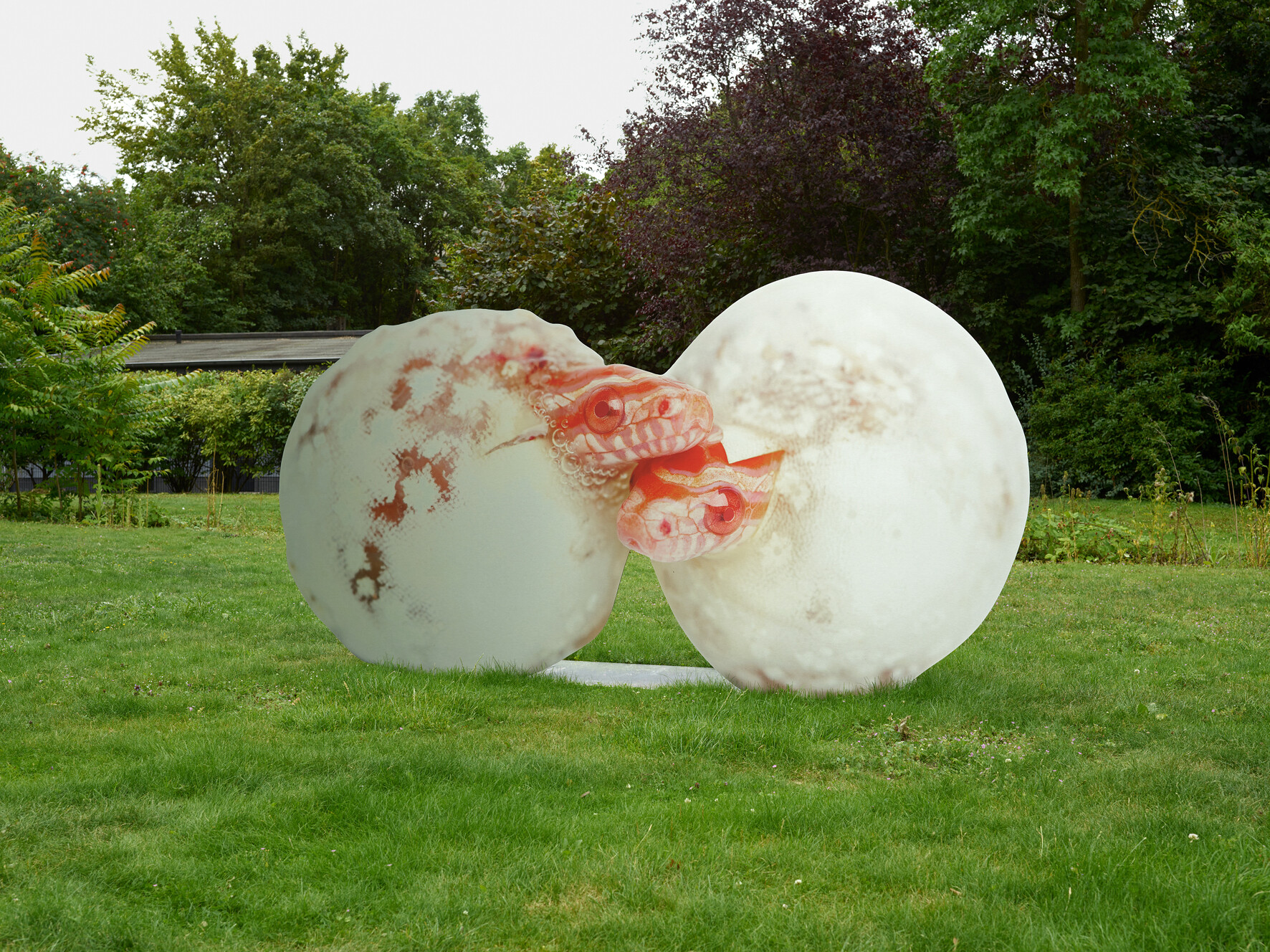
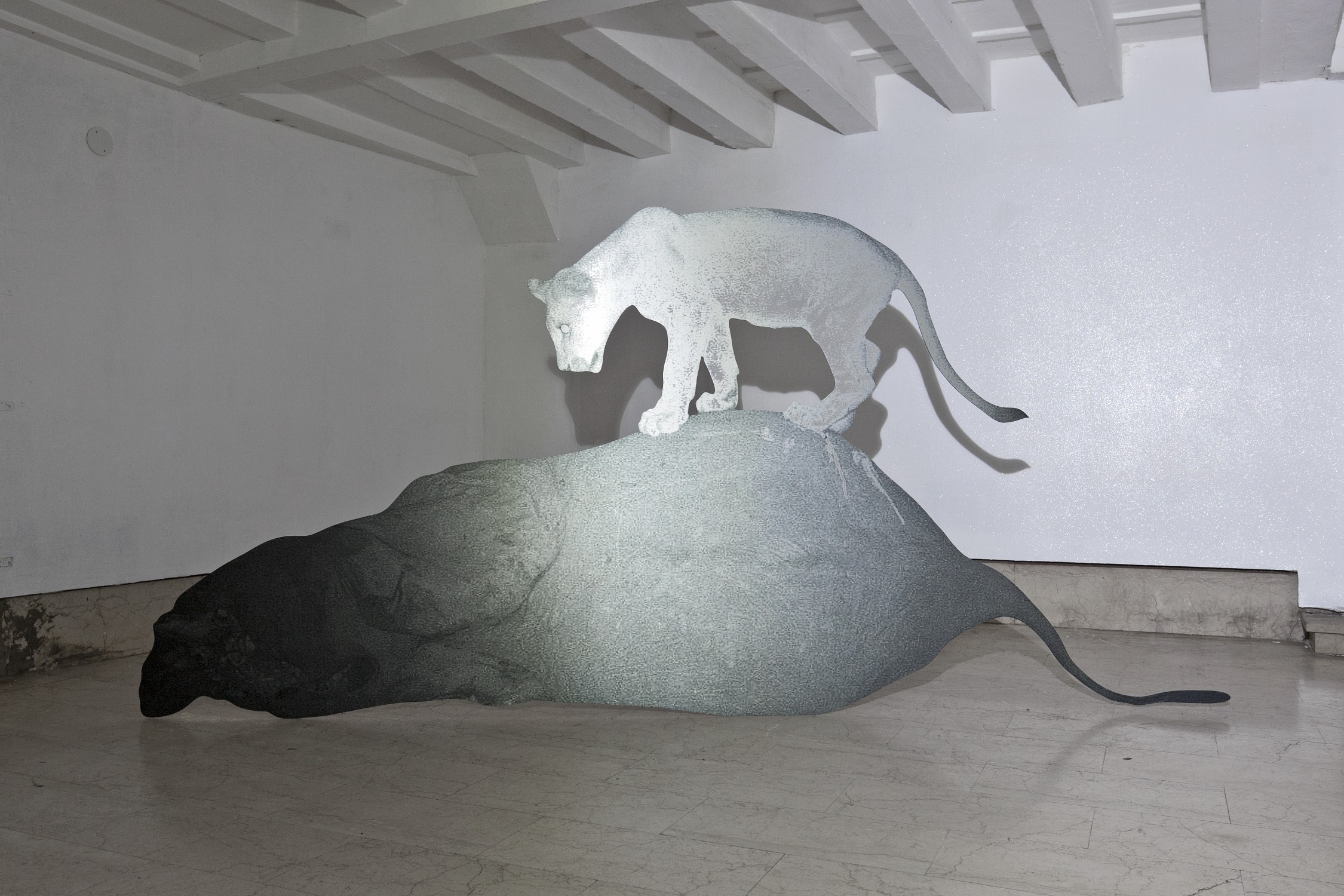
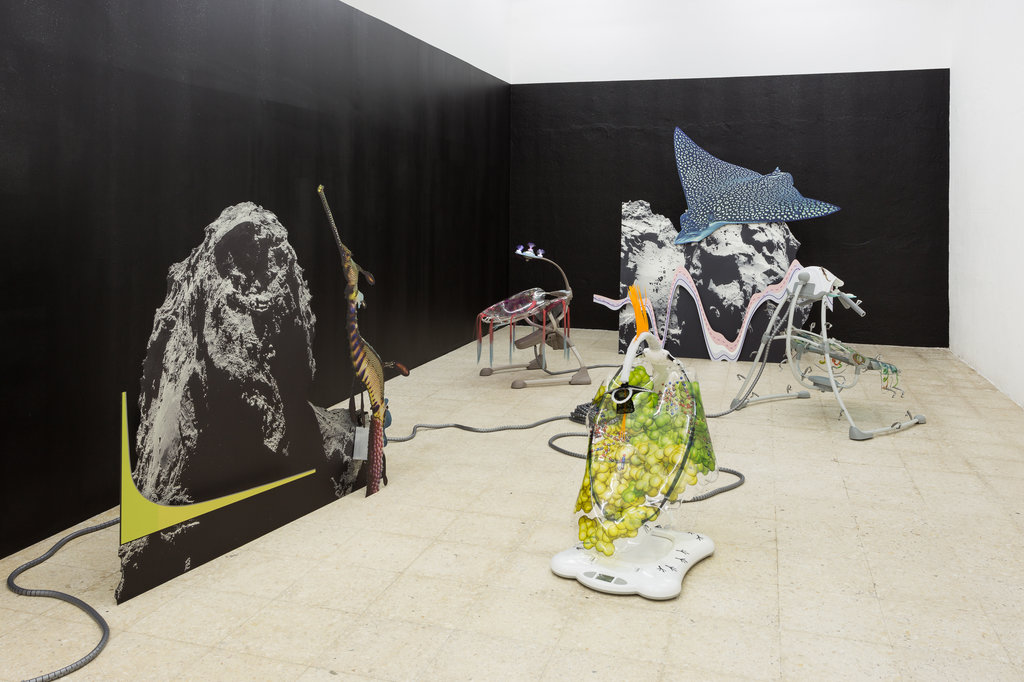
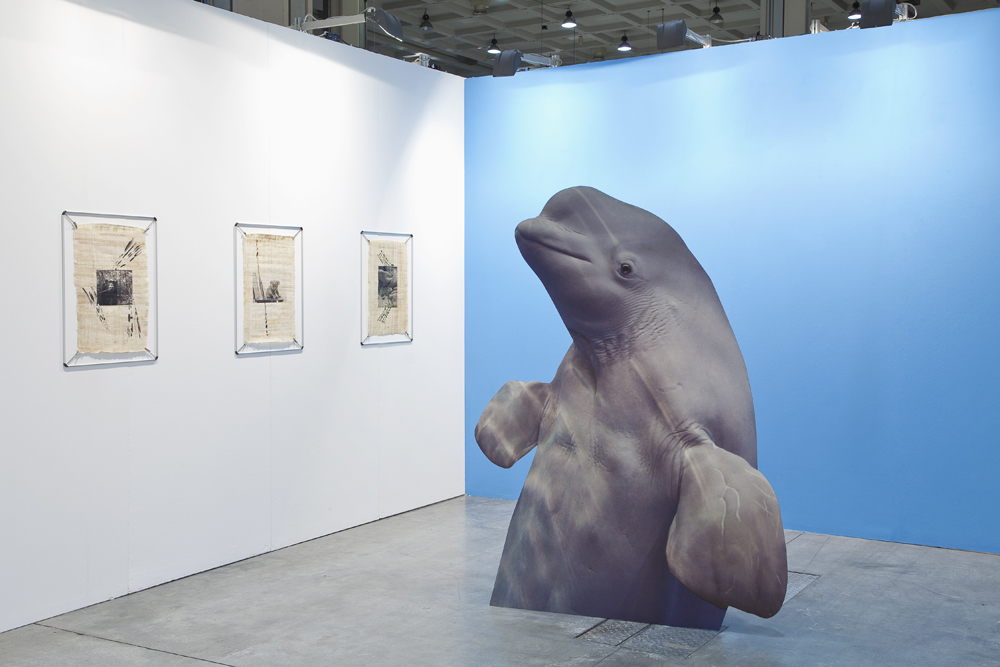
67P potential (leopard whipray)
UV-resistant digital print on 3 layers of aluminium dibond, cutout display 153 x 155 x 48 cm
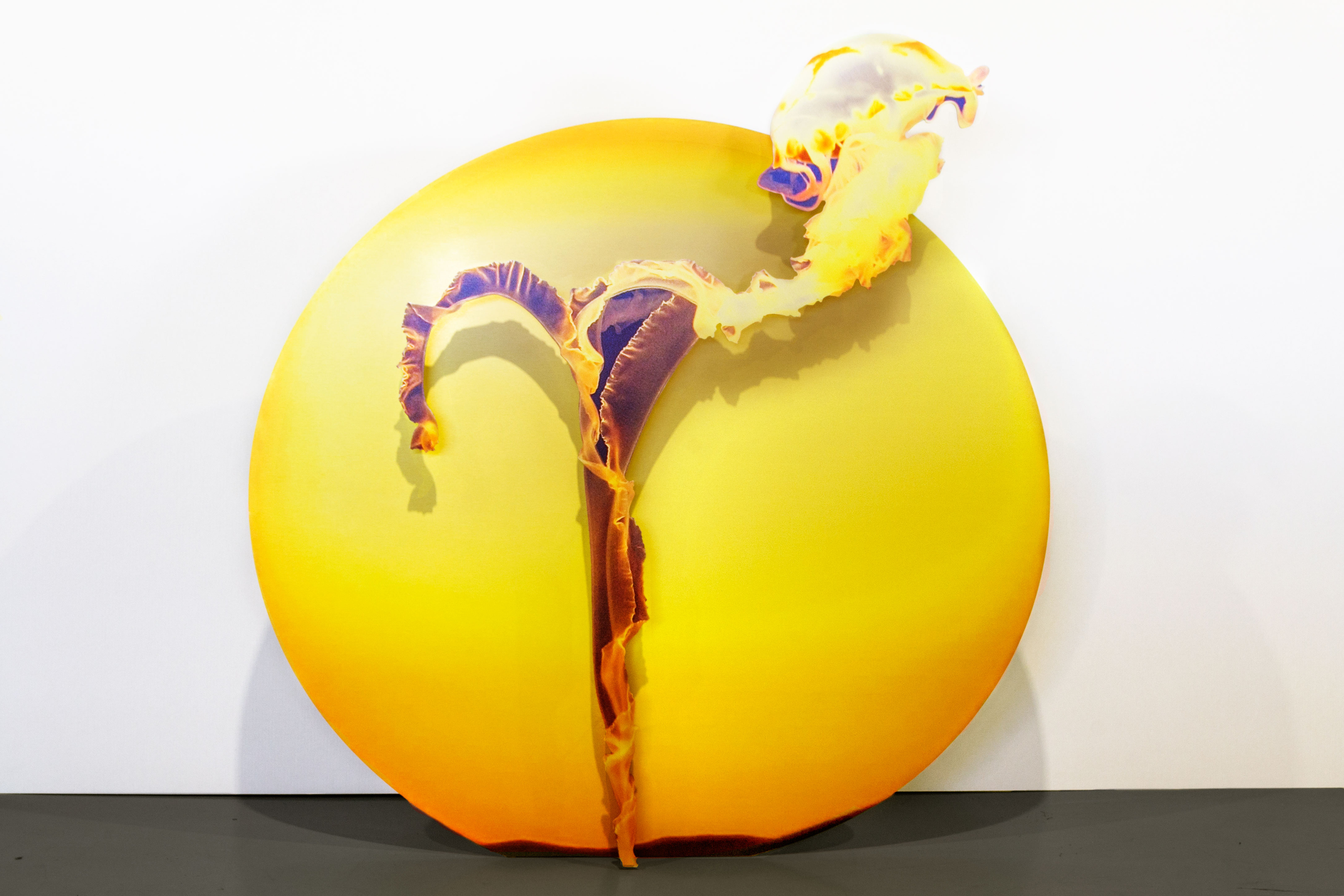
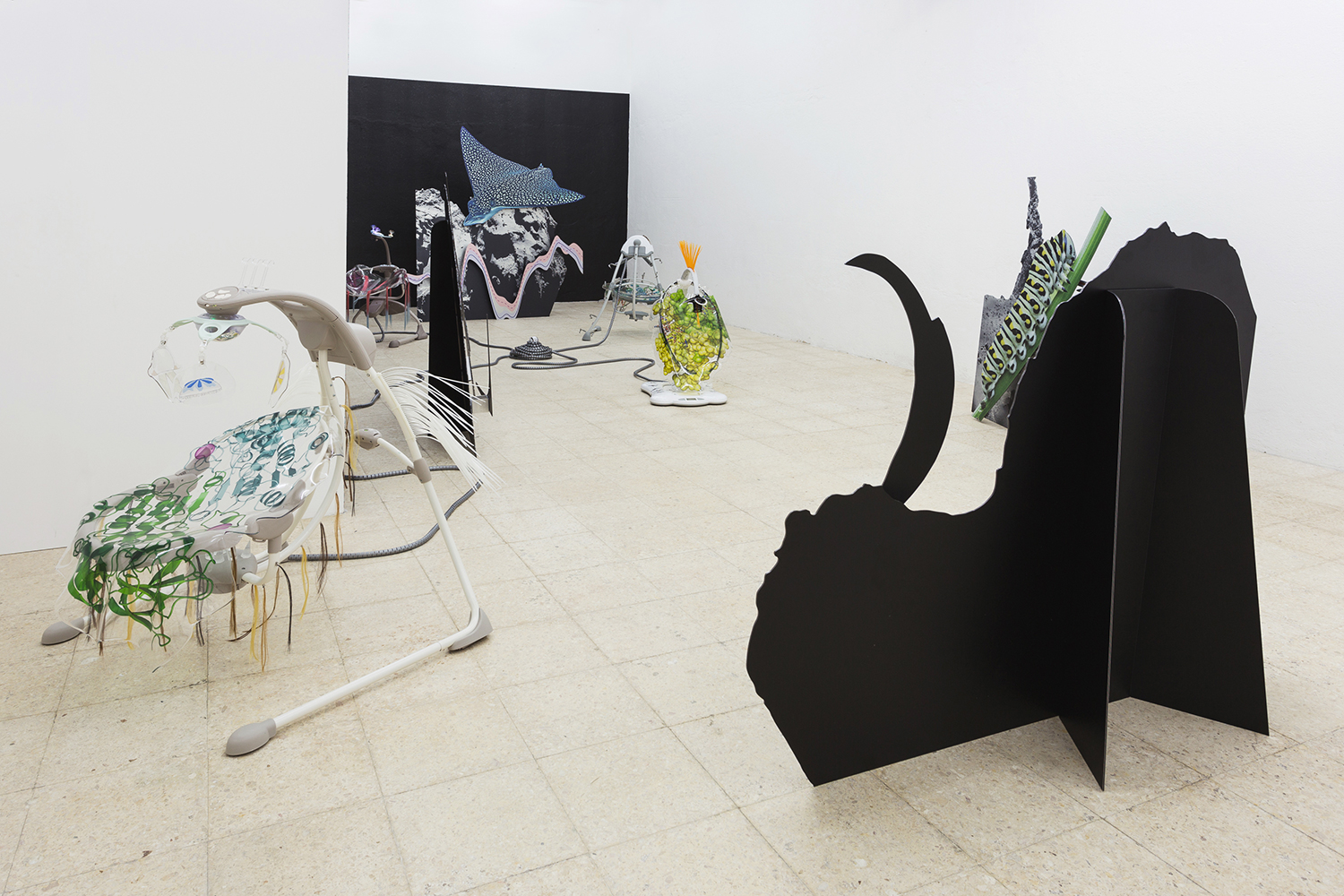
67P potential (monkey cup plant)
UV-resistant digital print on 2 layers of aluminium dibond, cutout display
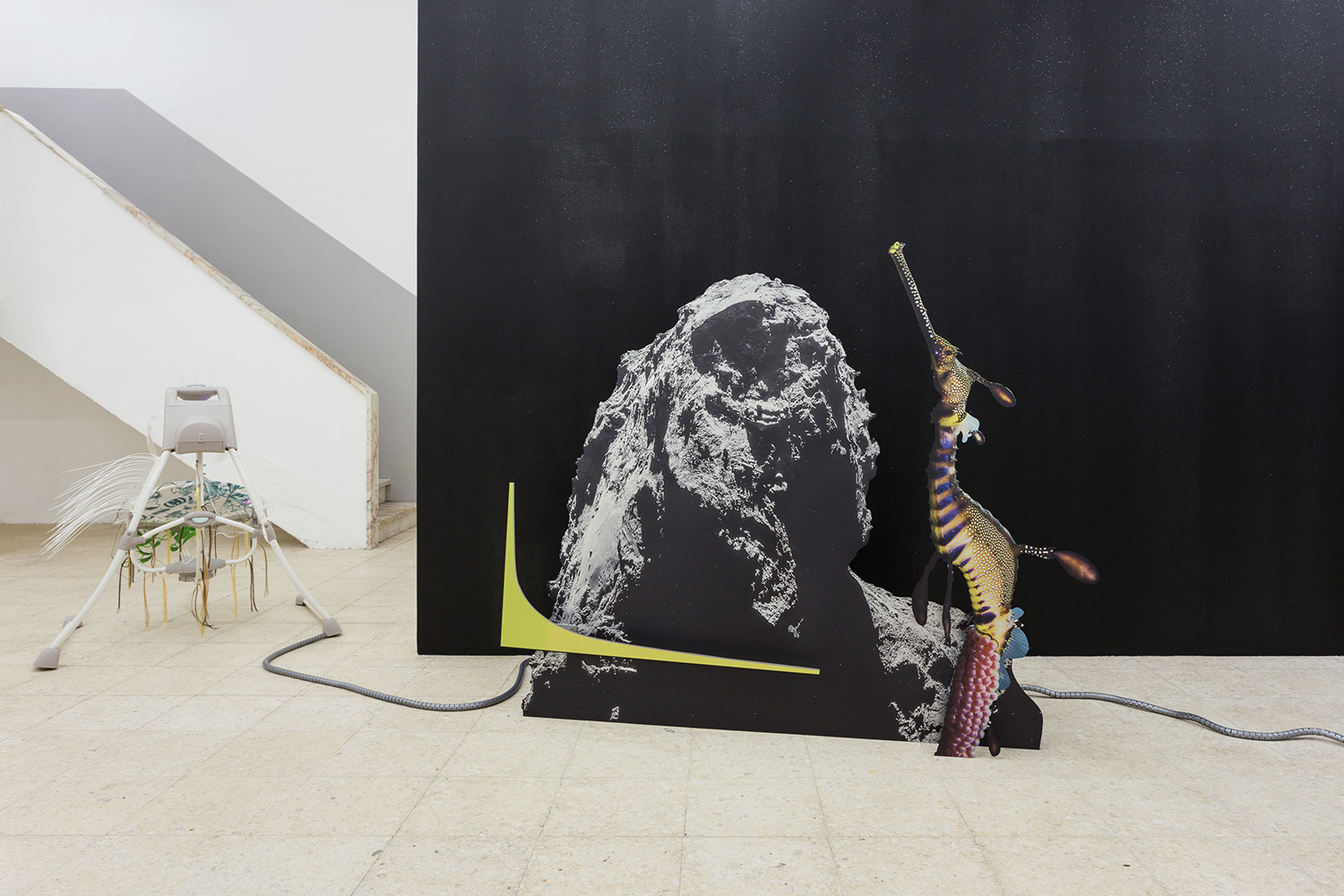

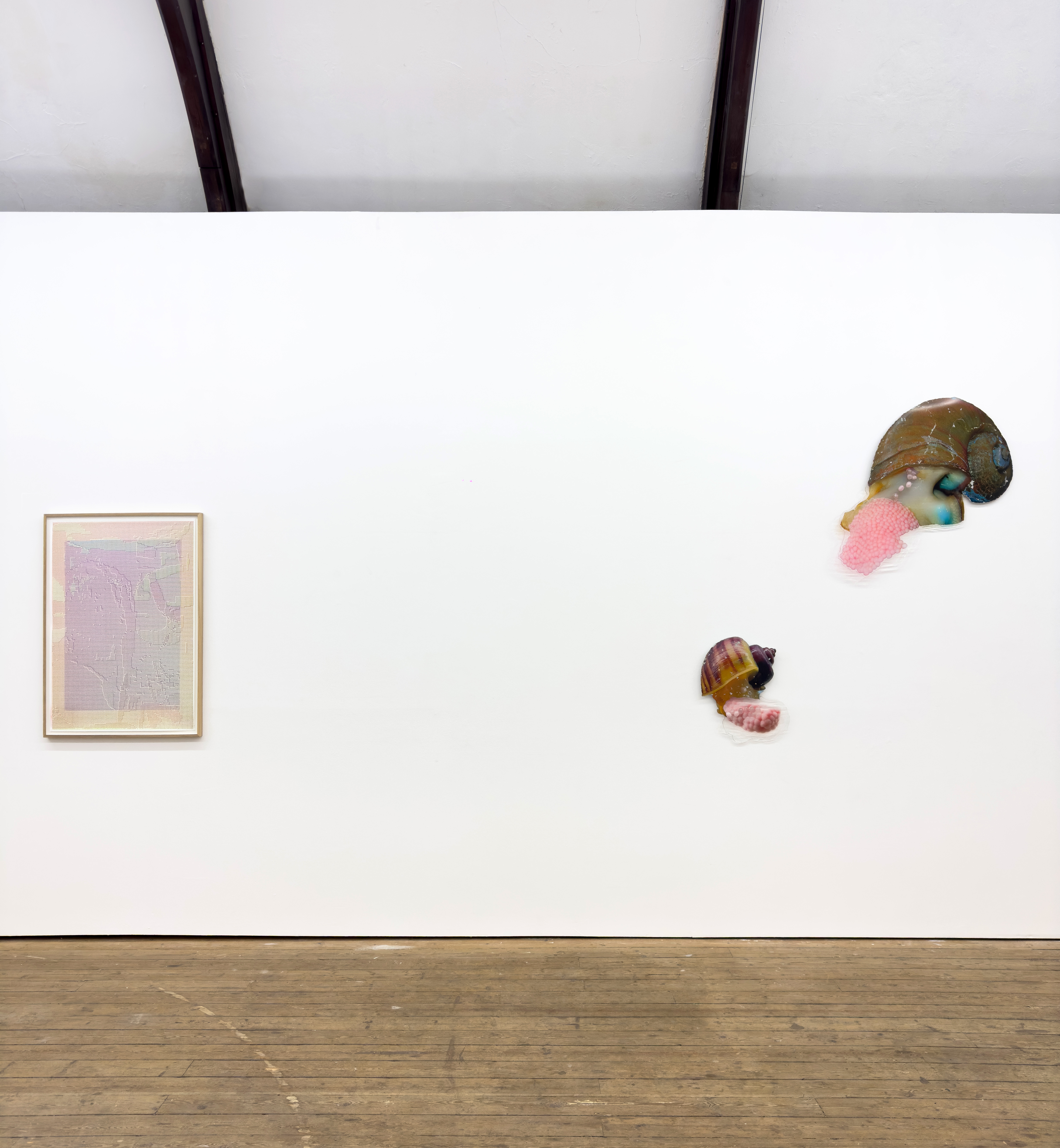
67P potential (seahorse)
UV-resistant digital print on three layers of aluminium dibond, cutout display 151 x 207 x 48 cm
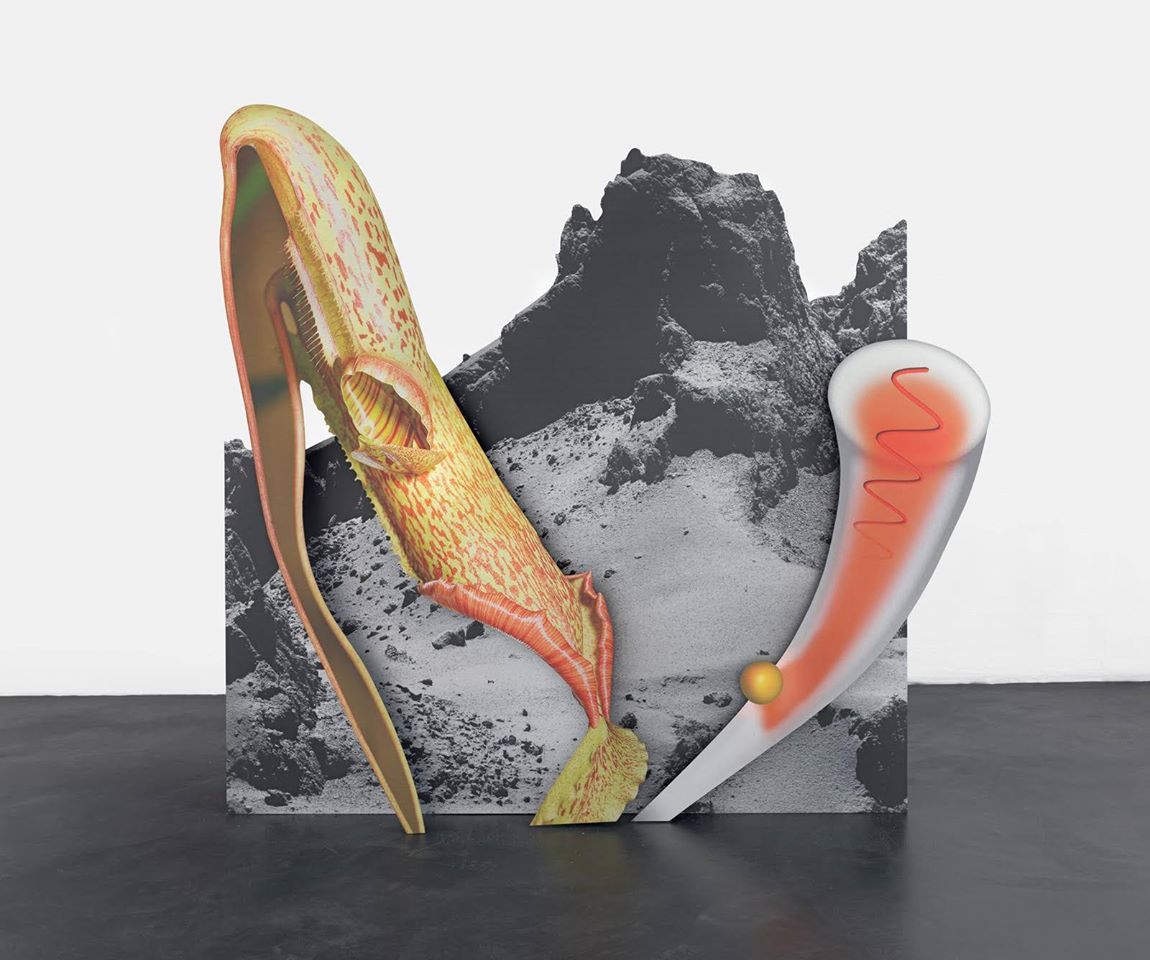
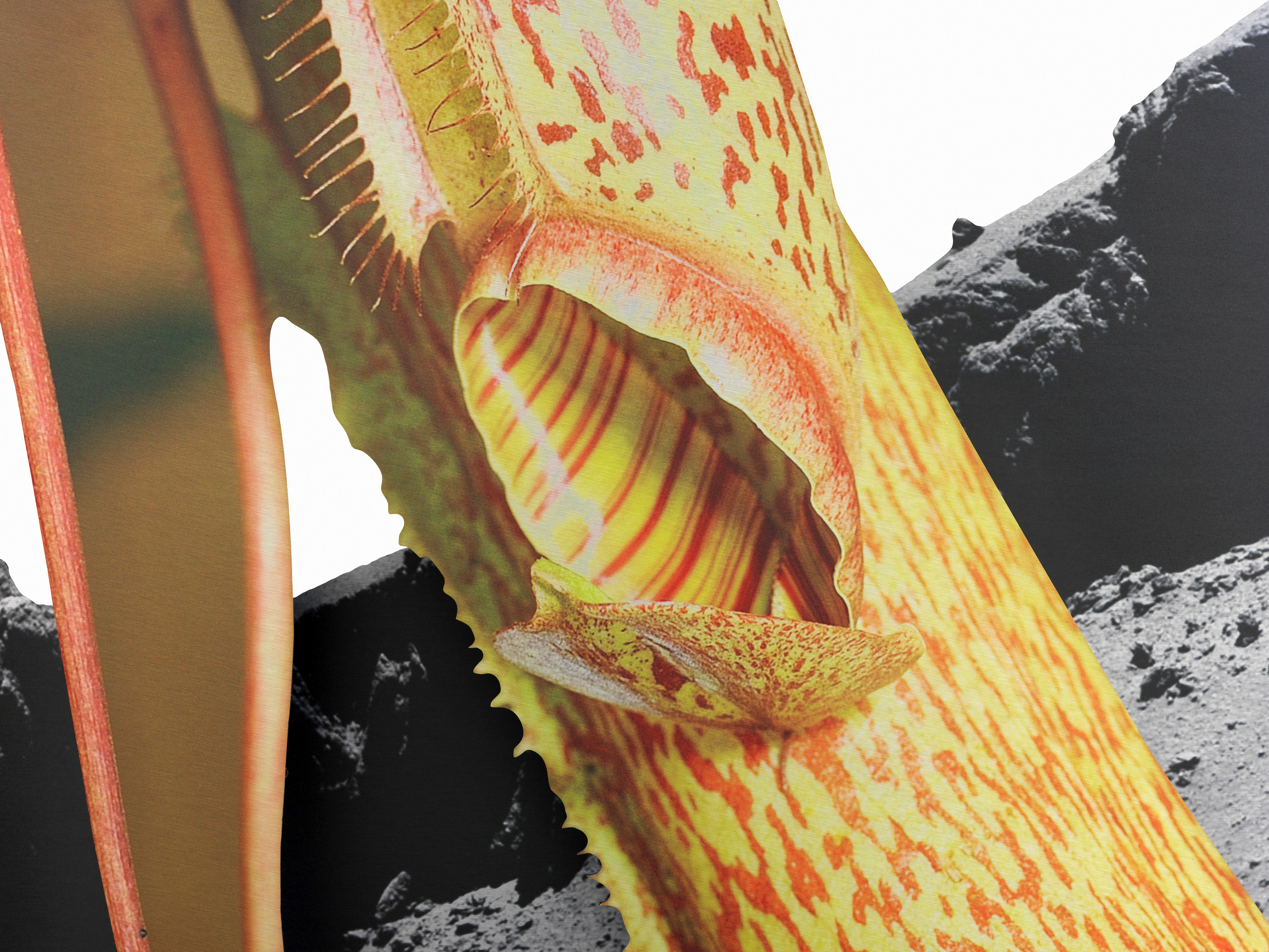
67P potential (tropical pitcher plant)
UV-resistant digital print on aluminium dibond, cutout display. 130 x 155 x 48 cm 51 1/4 x 61 x 18 7/8 in.
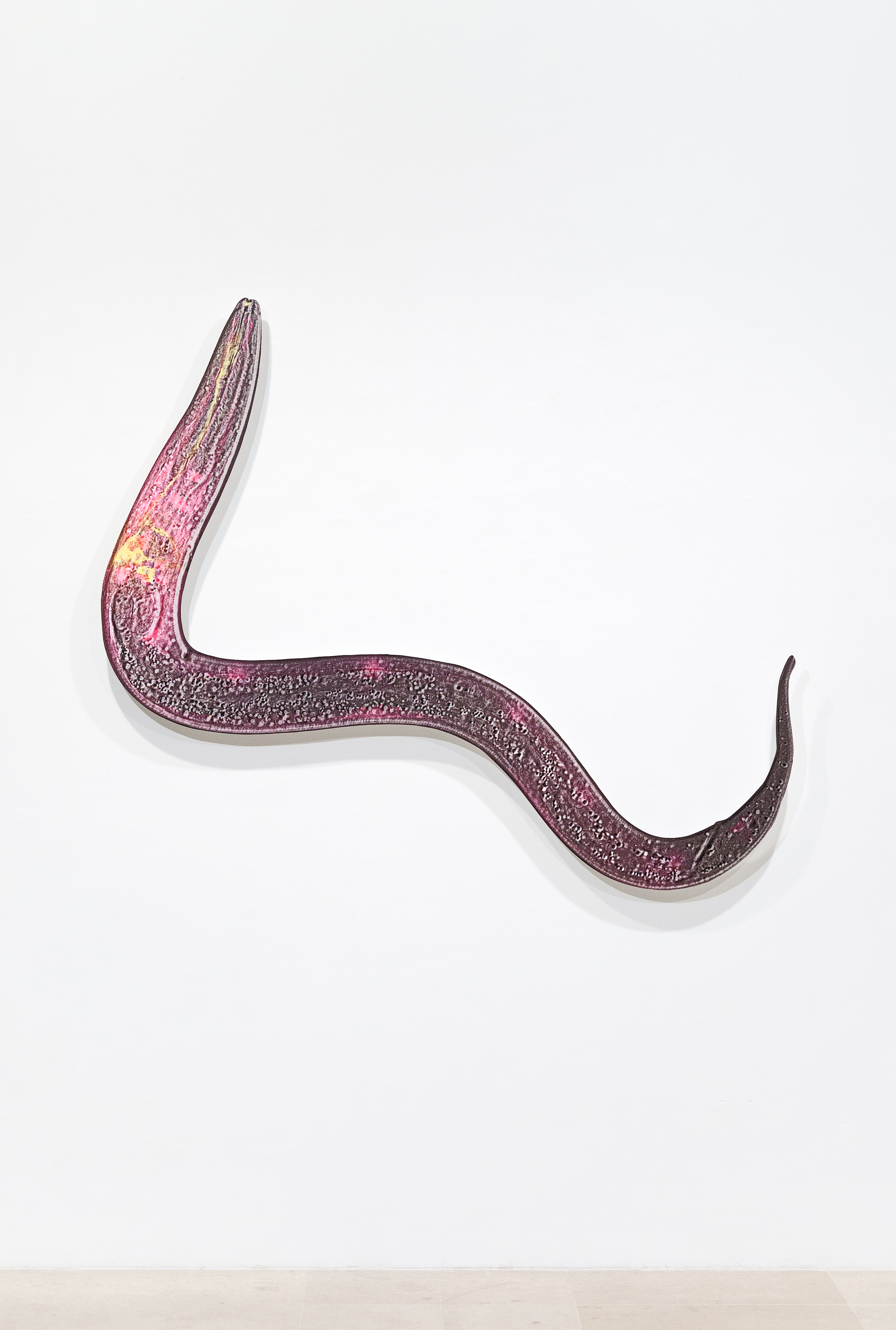
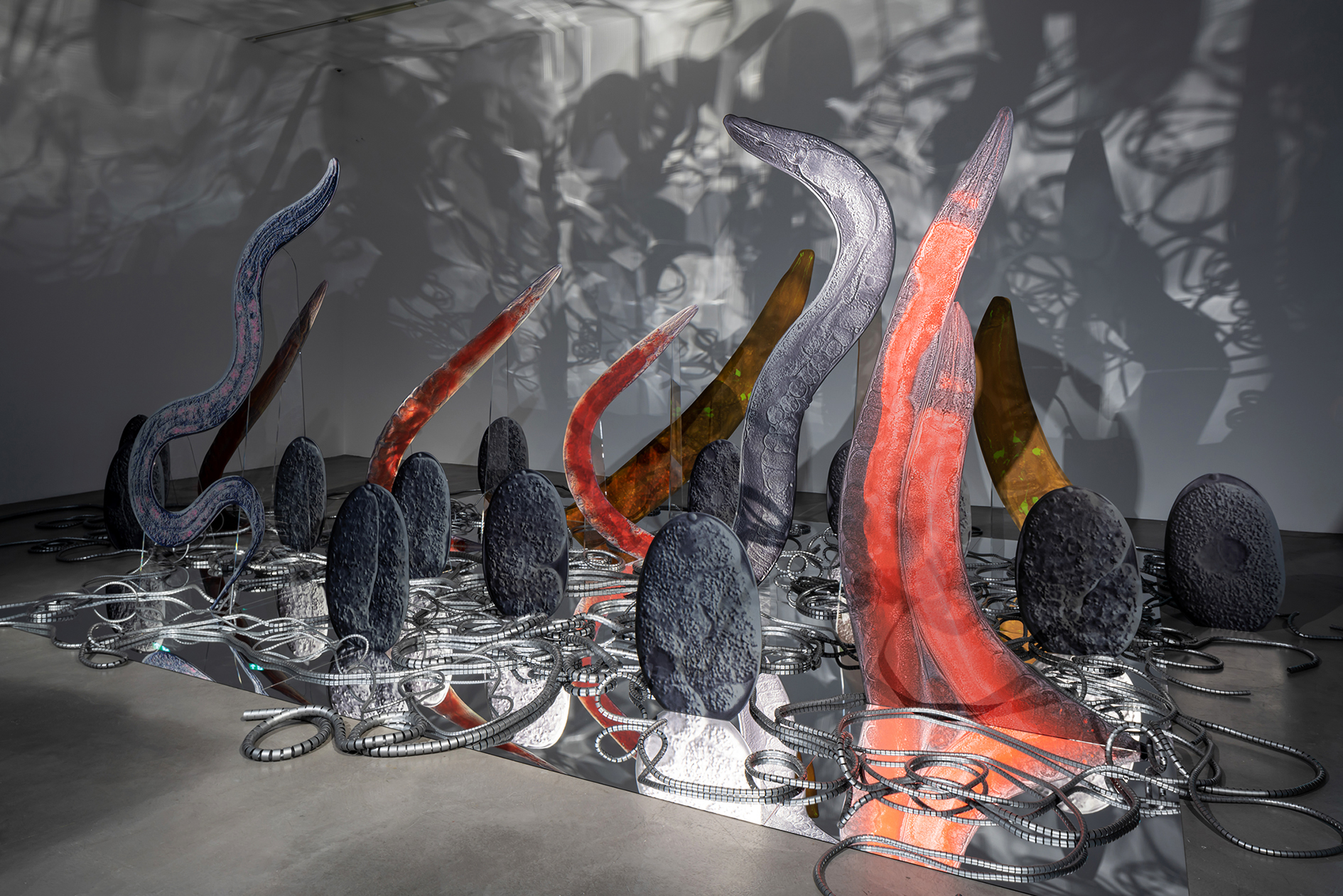
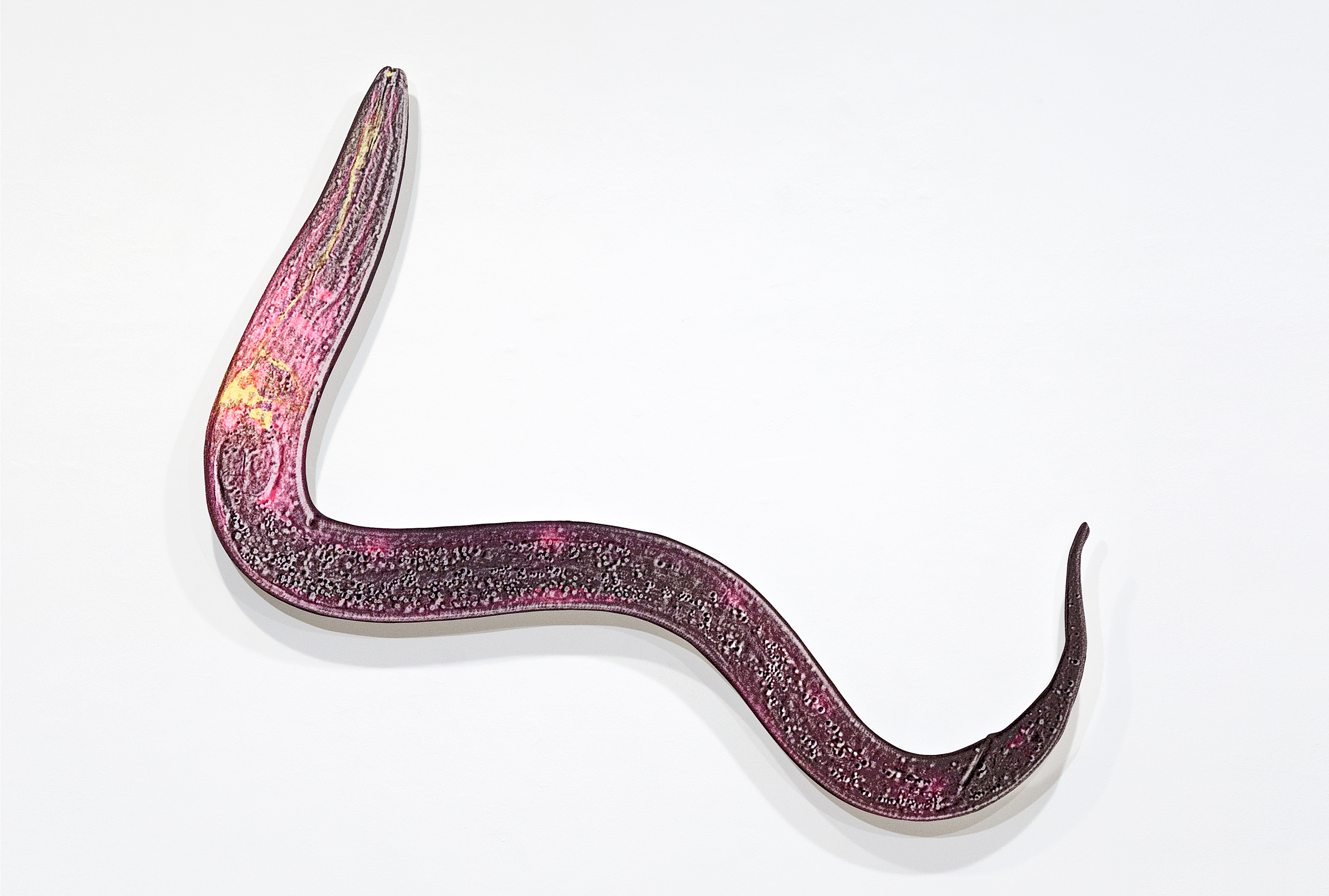
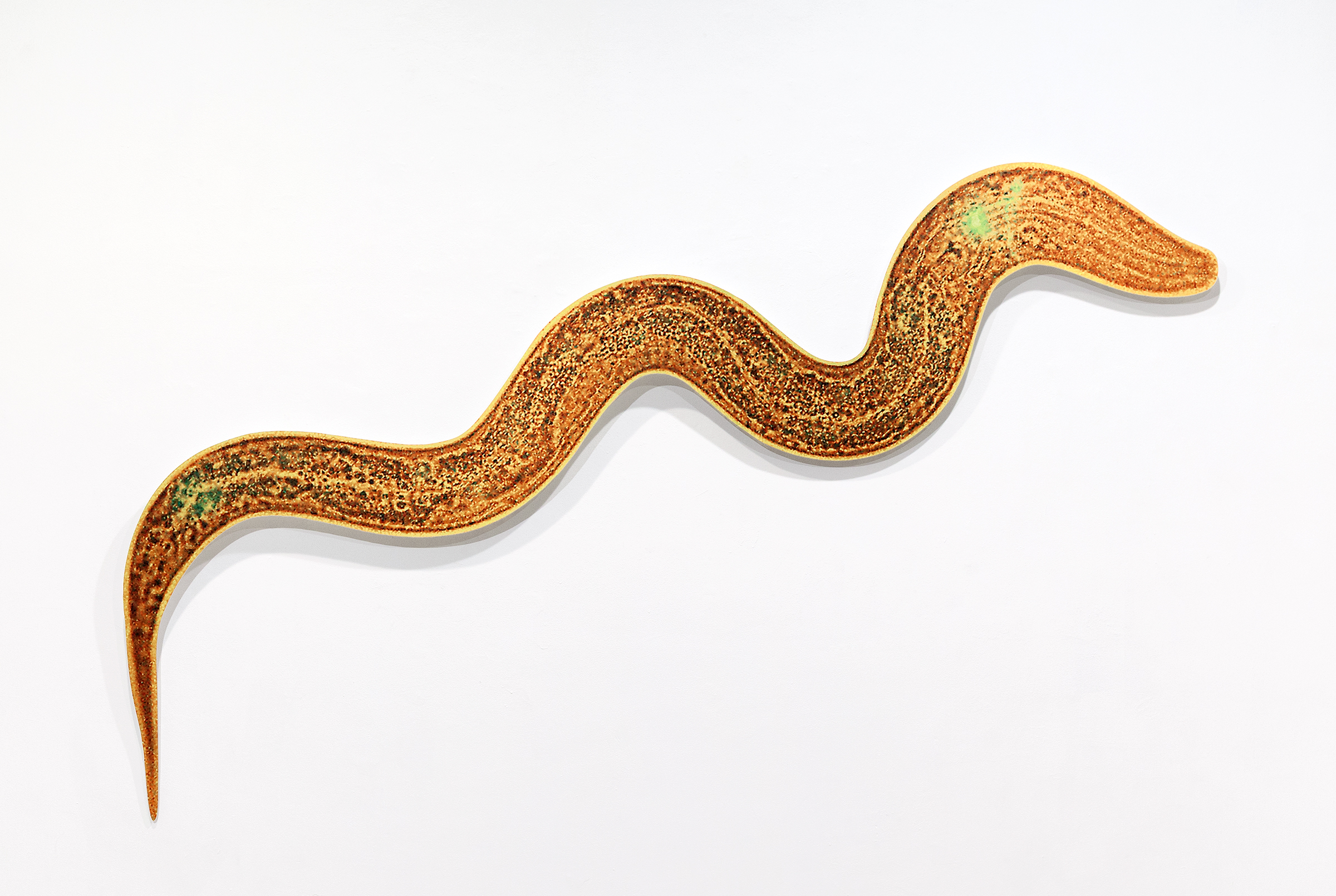
C. elegans potential (mutant)
UV-resistant digital print on aluminium dibond, cutout display

C. elegans potential (neuron ASEL)
UV-resistant digital print on aluminium dibond, cutout display

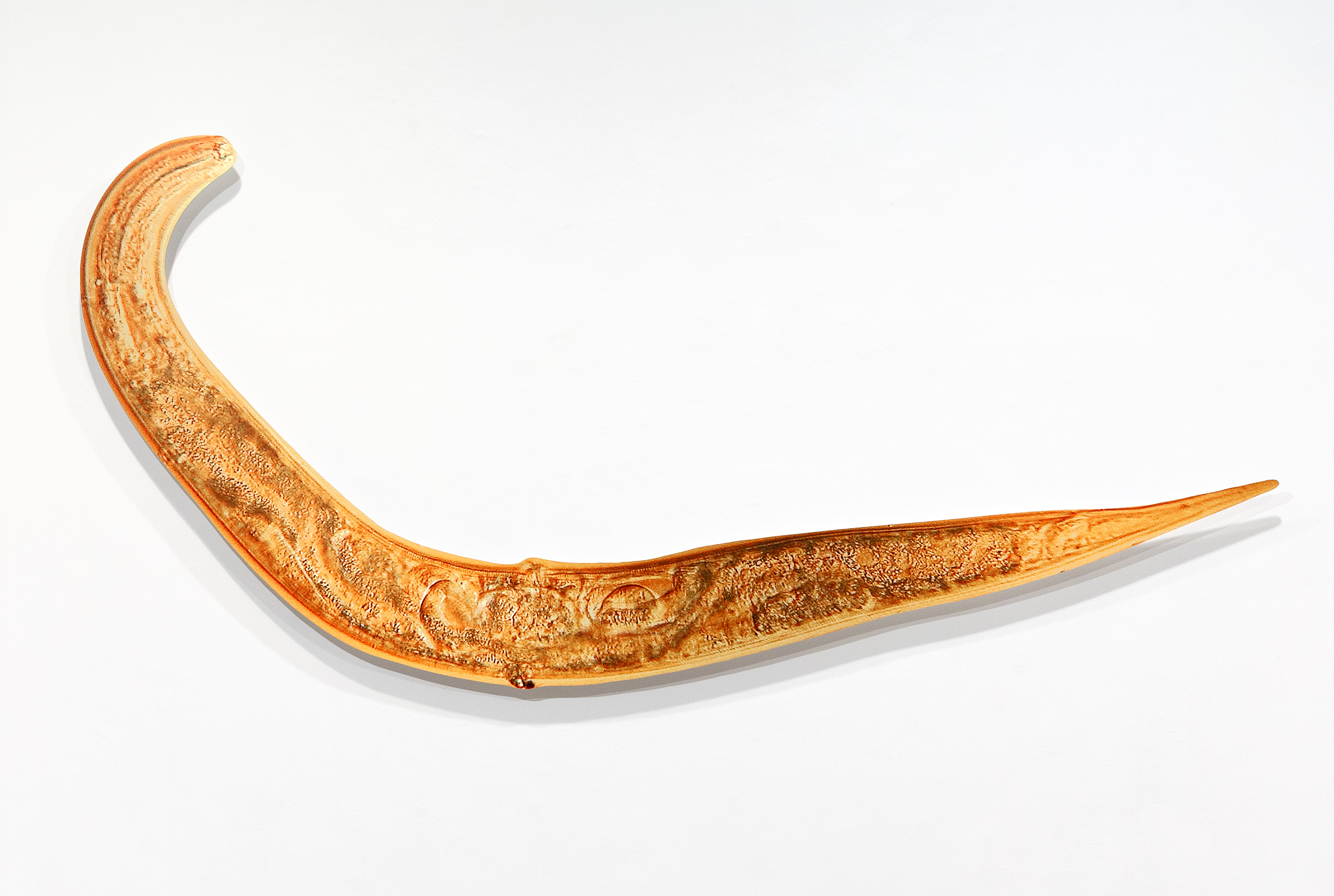
C. elegans potential (older female with eggs hatching in uteri)
UV-resistant digital print on aluminium dibond, cutout display
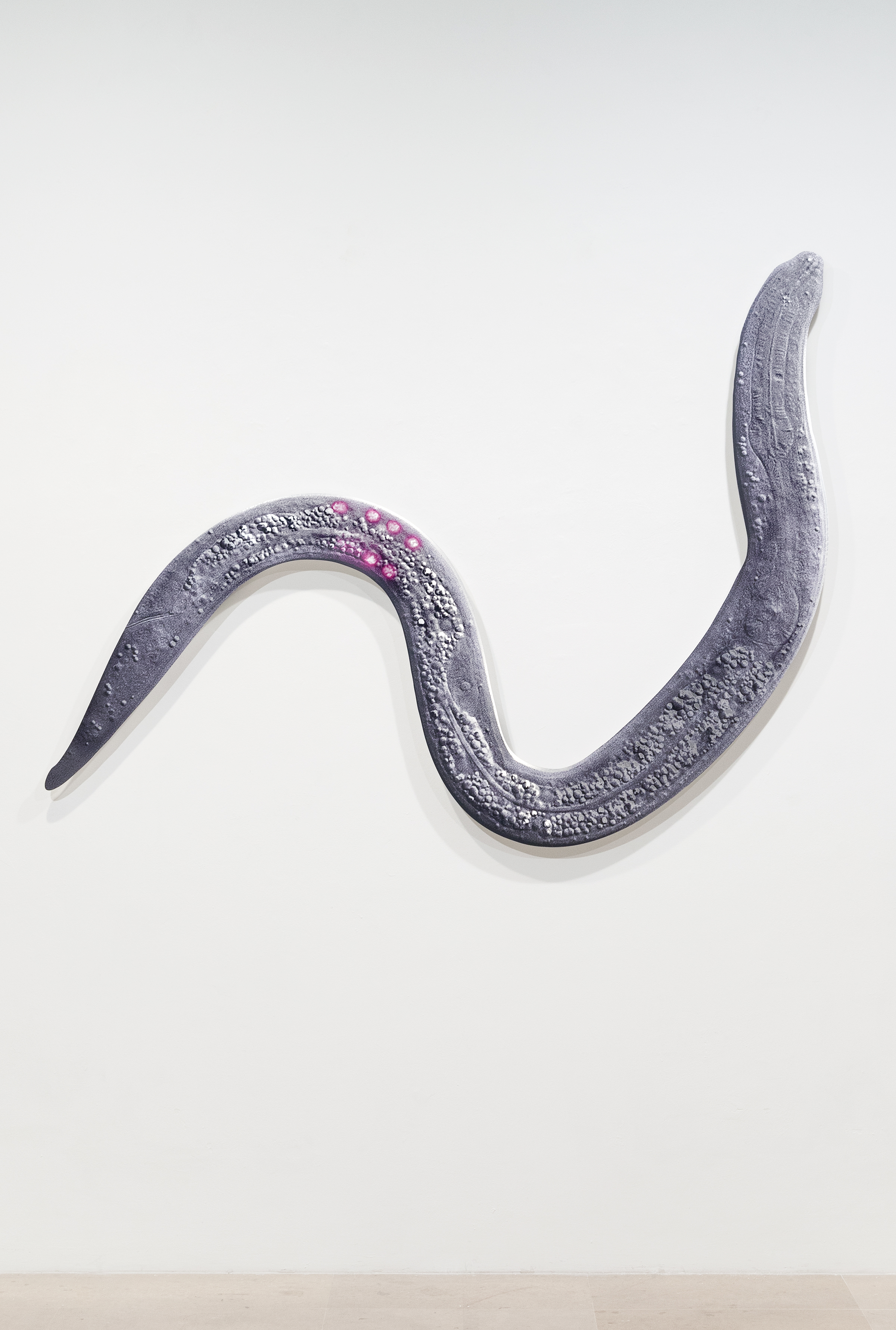
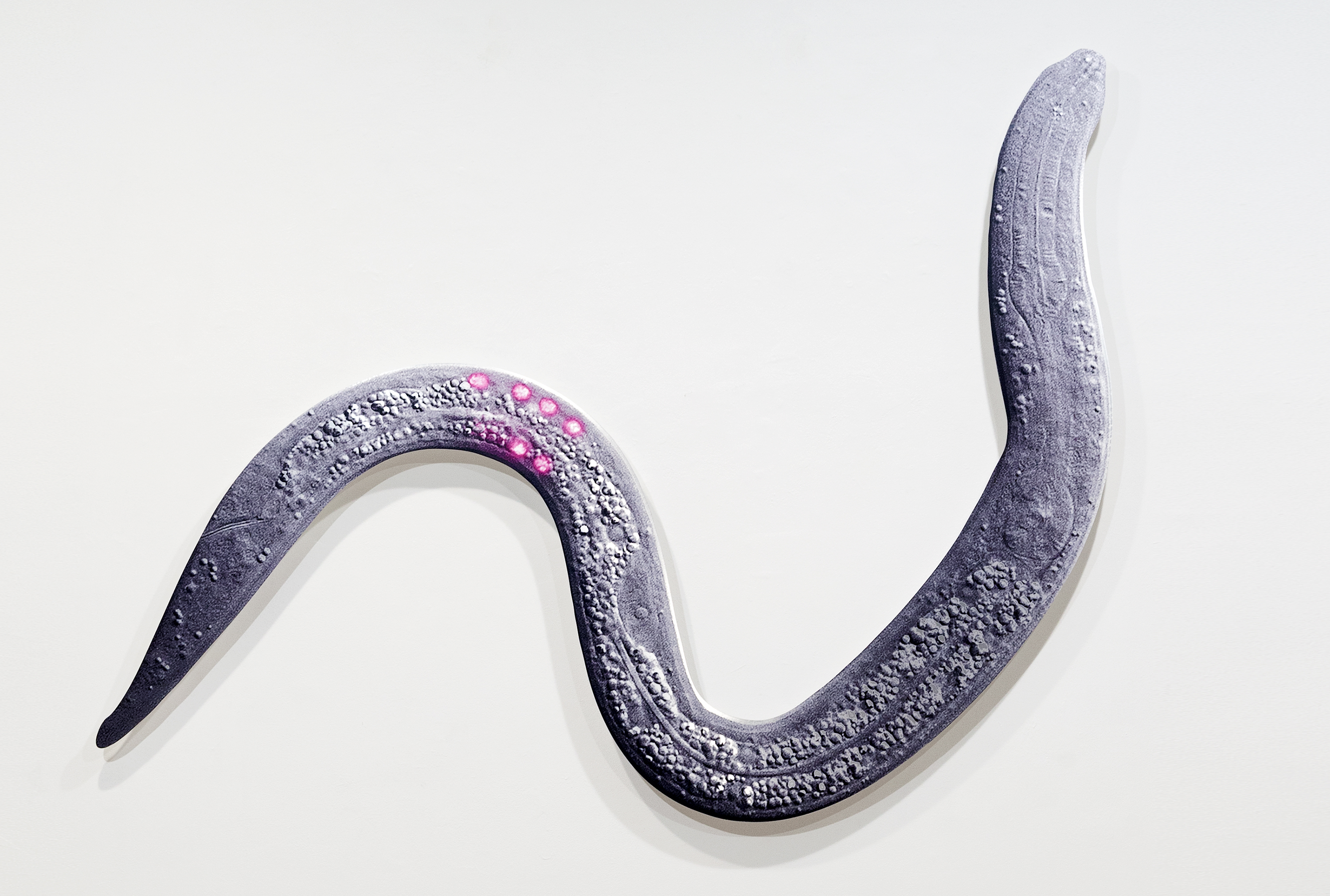
C. elegans potential (pink merge)
UV-resistant digital print on aluminium dibond, cutout display
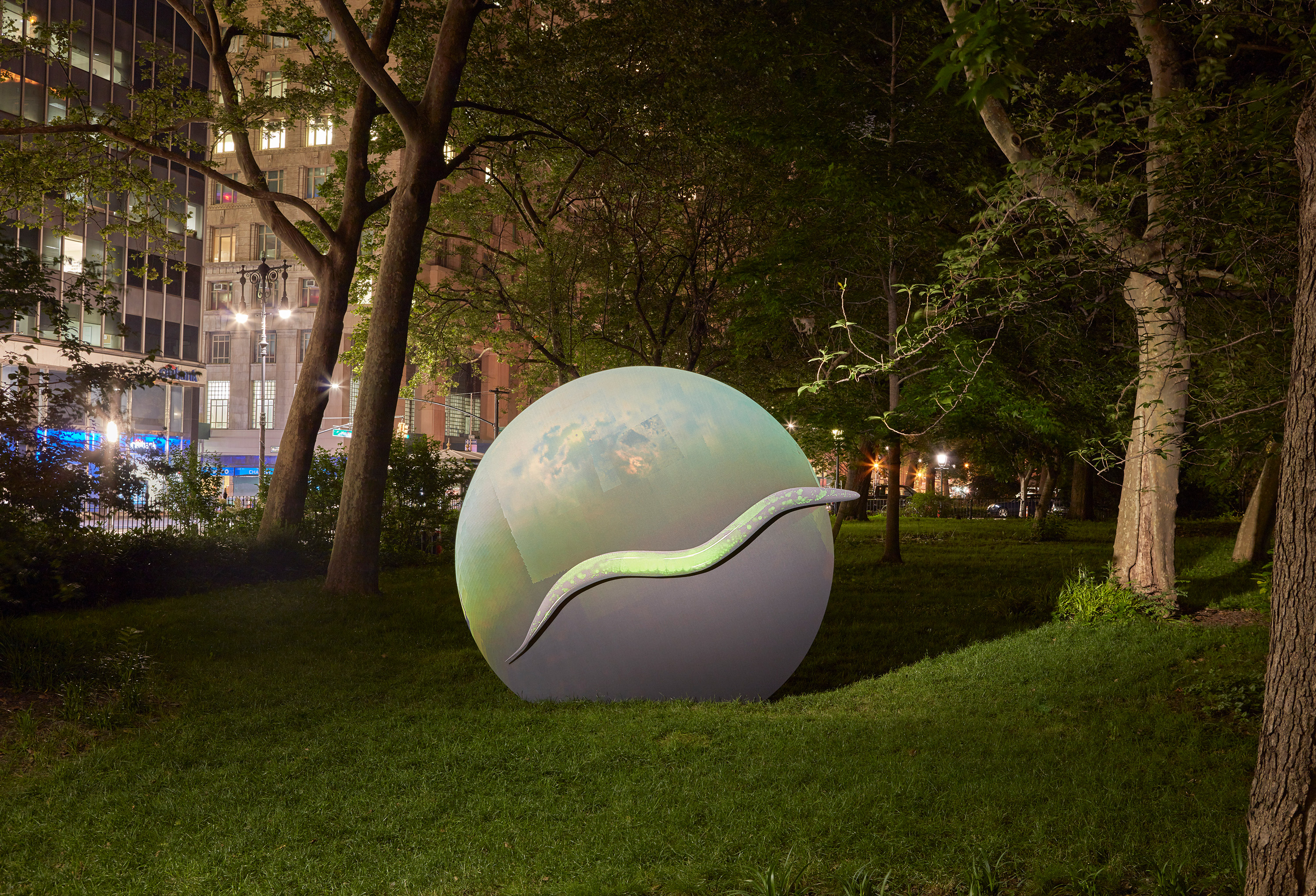
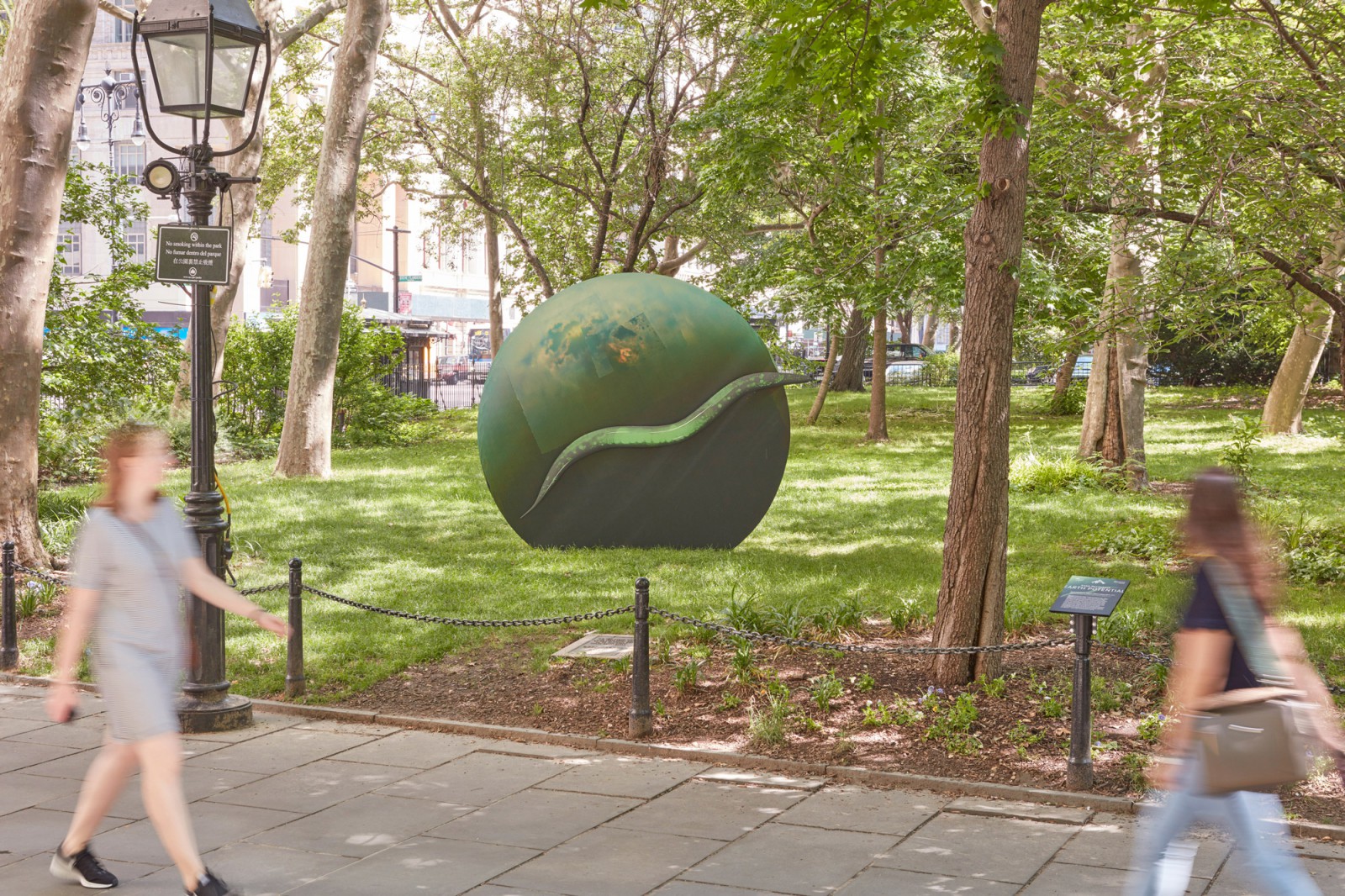
Earth Potential (C. elegans, Saturn’s Moon Titan)
Digital print on aluminum, cut out display; steel and aluminum armature Courtesy the artist; Kraupa-Tuskany Zeidler, Berlin; and Greene Naftali, New York
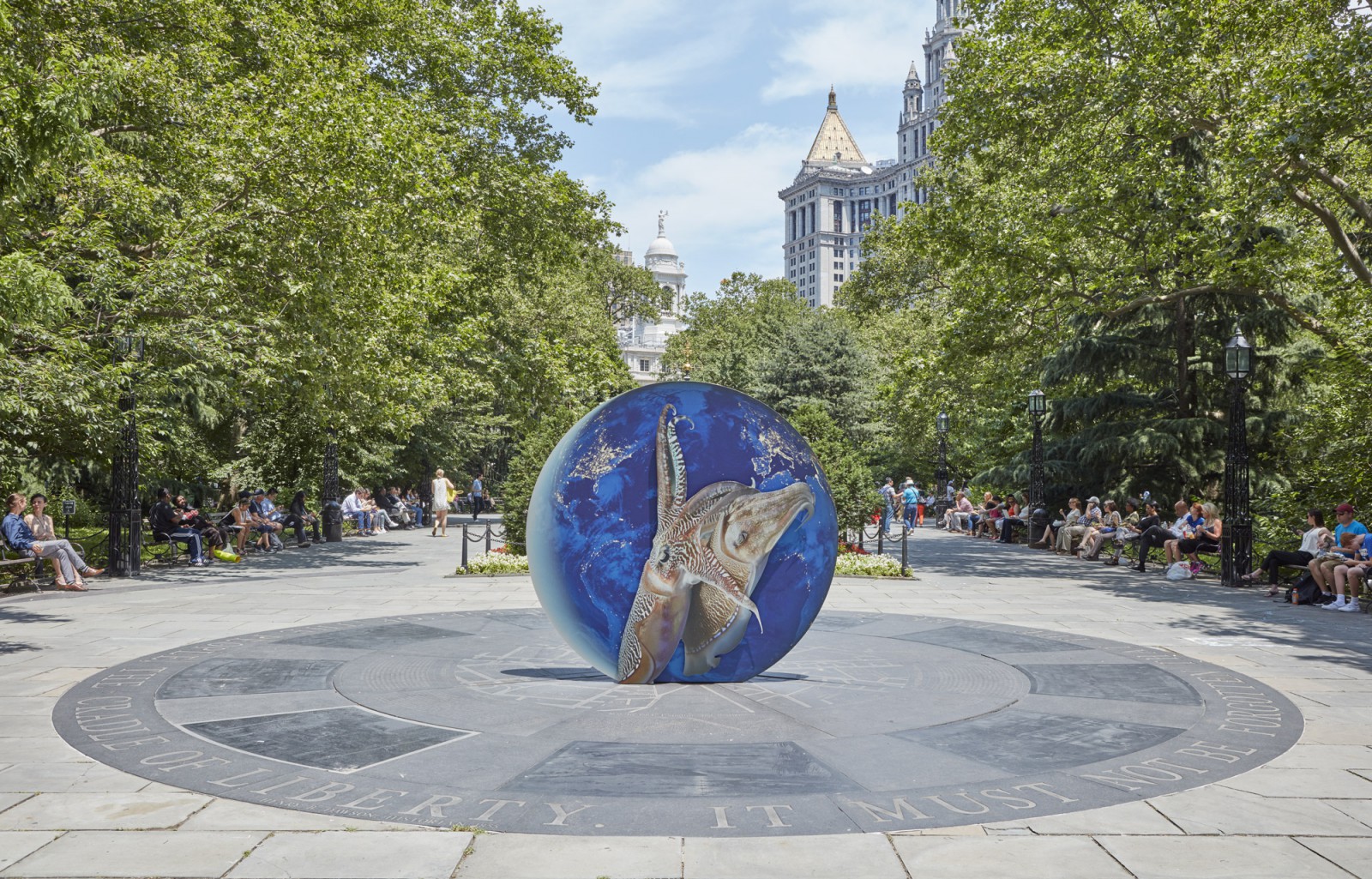
Earth Potential (Cuttlefish Love, Earth)
Digital print on aluminum, cut out display; steel and aluminum armature Courtesy the artist; Kraupa-Tuskany Zeidler, Berlin; and Greene Naftali, New York
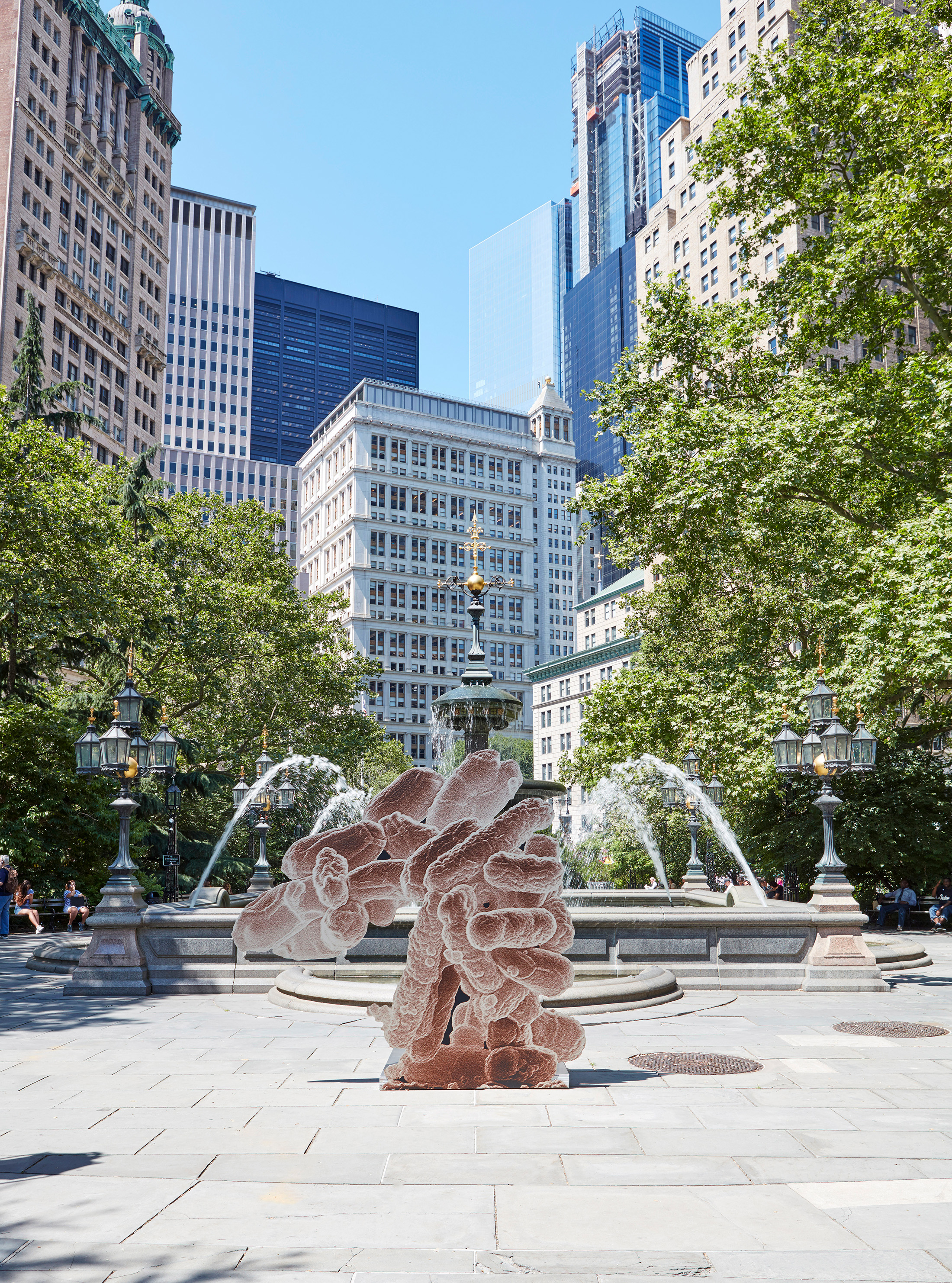

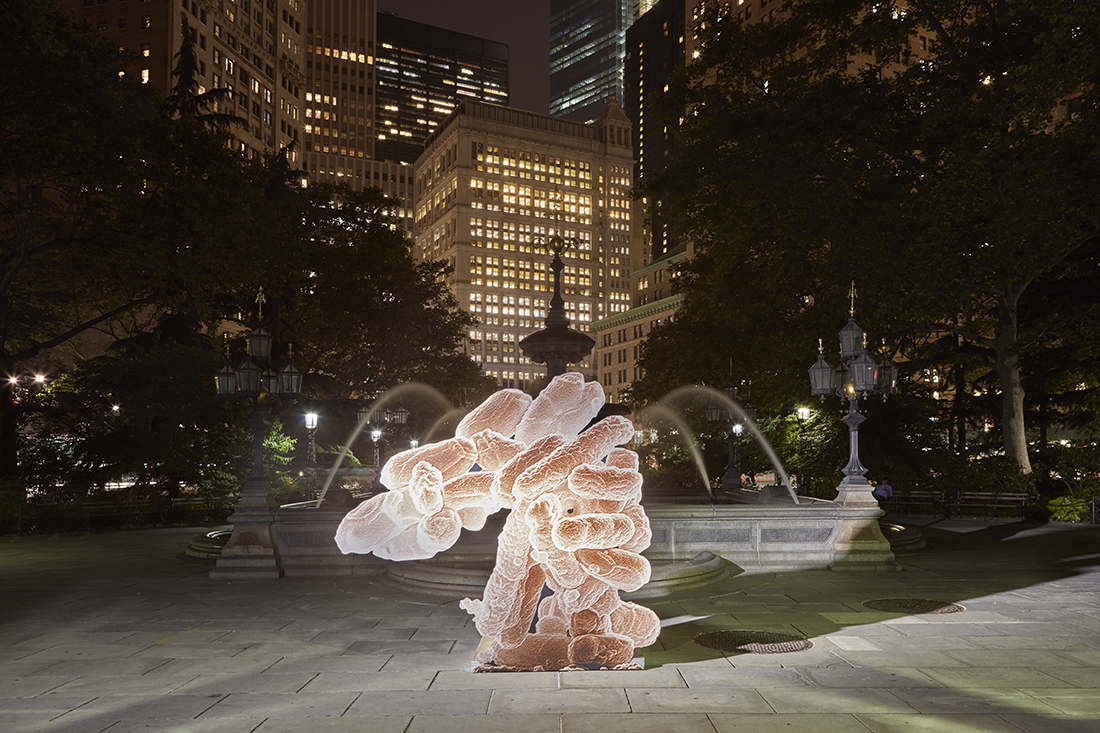
Earth Potential (E. coli)
Digital print on aluminum, cut out display; steel and aluminum armature
Earth Potential (Earthworm, Earth)
Digital print on aluminum, cut out display; steel and aluminum armature Courtesy the artist; Kraupa-Tuskany Zeidler, Berlin; and Greene Naftali, New York
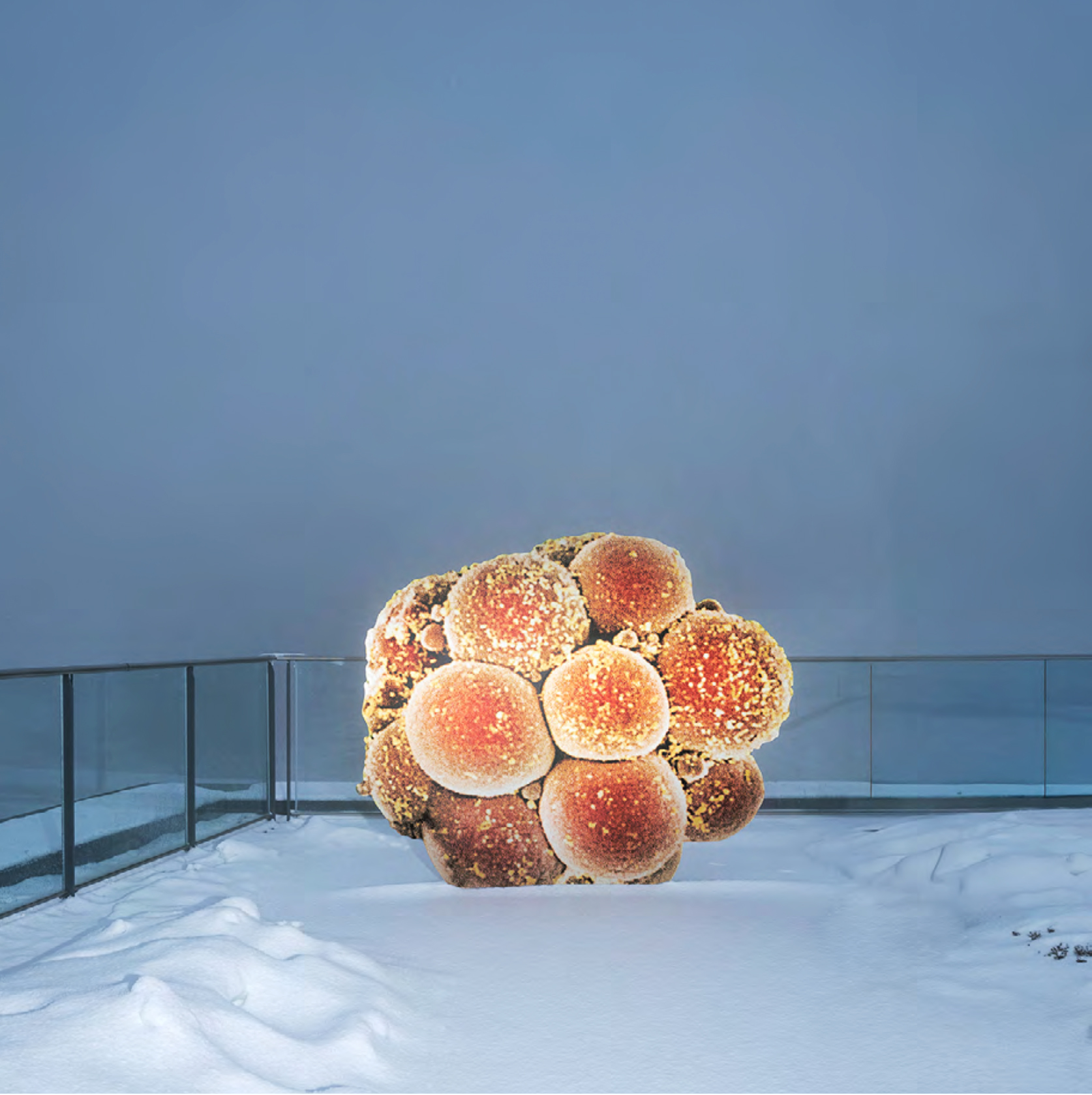
Earth Potential (Embryo)
Digital print on aluminum, cut out display; steel and aluminum armature Courtesy the artist; Kraupa-Tuskany Zeidler, Berlin; and Greene Naftali, New York
Earth Potential (Hydra, Venus)
Digital print on aluminum, cut out display; steel and aluminum armature Courtesy the artist; Kraupa-Tuskany Zeidler, Berlin; and Greene Naftali, New York
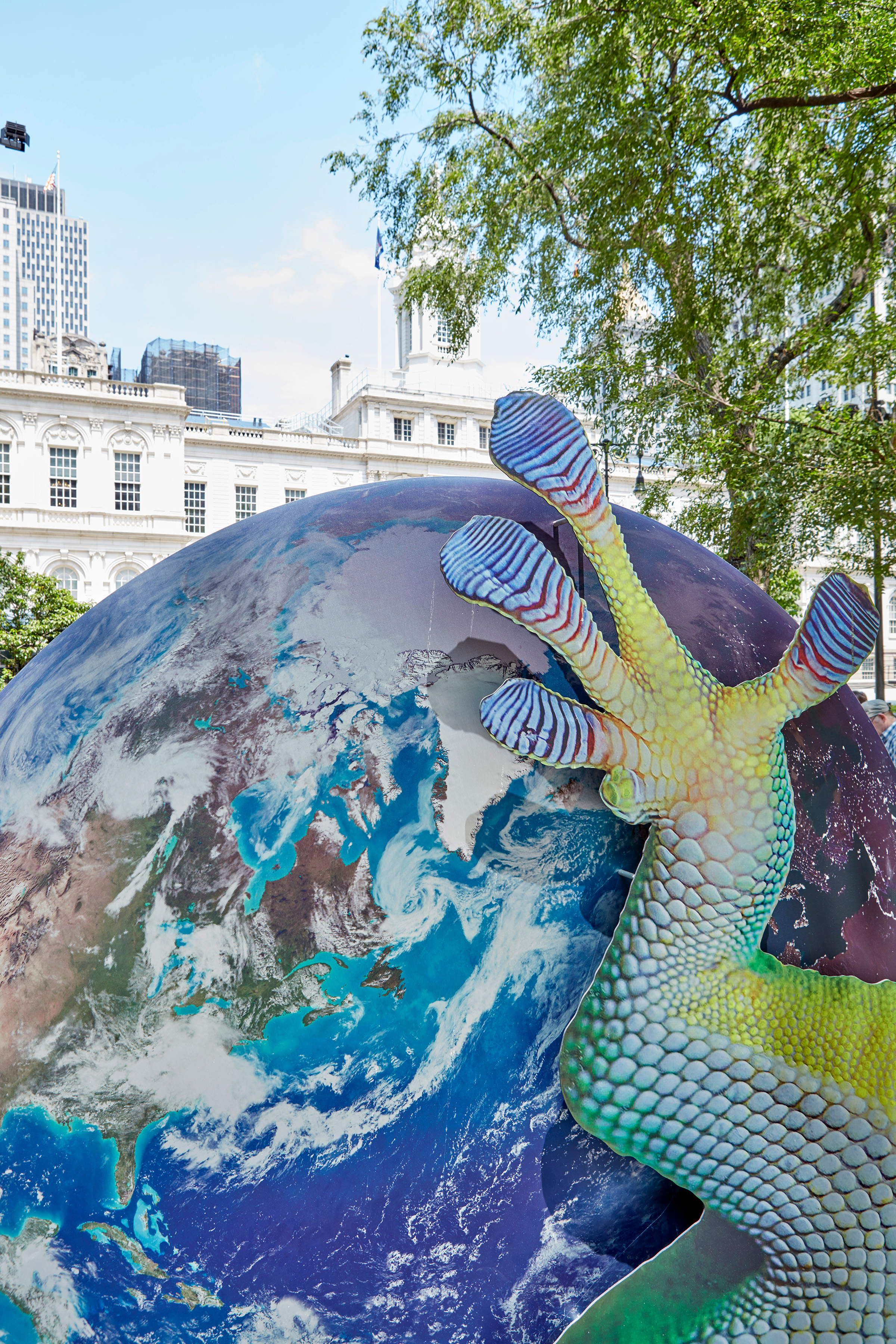
Earth Potential (Lizard, Earth)
Digital print on aluminum, cut out display; steel and aluminum armature
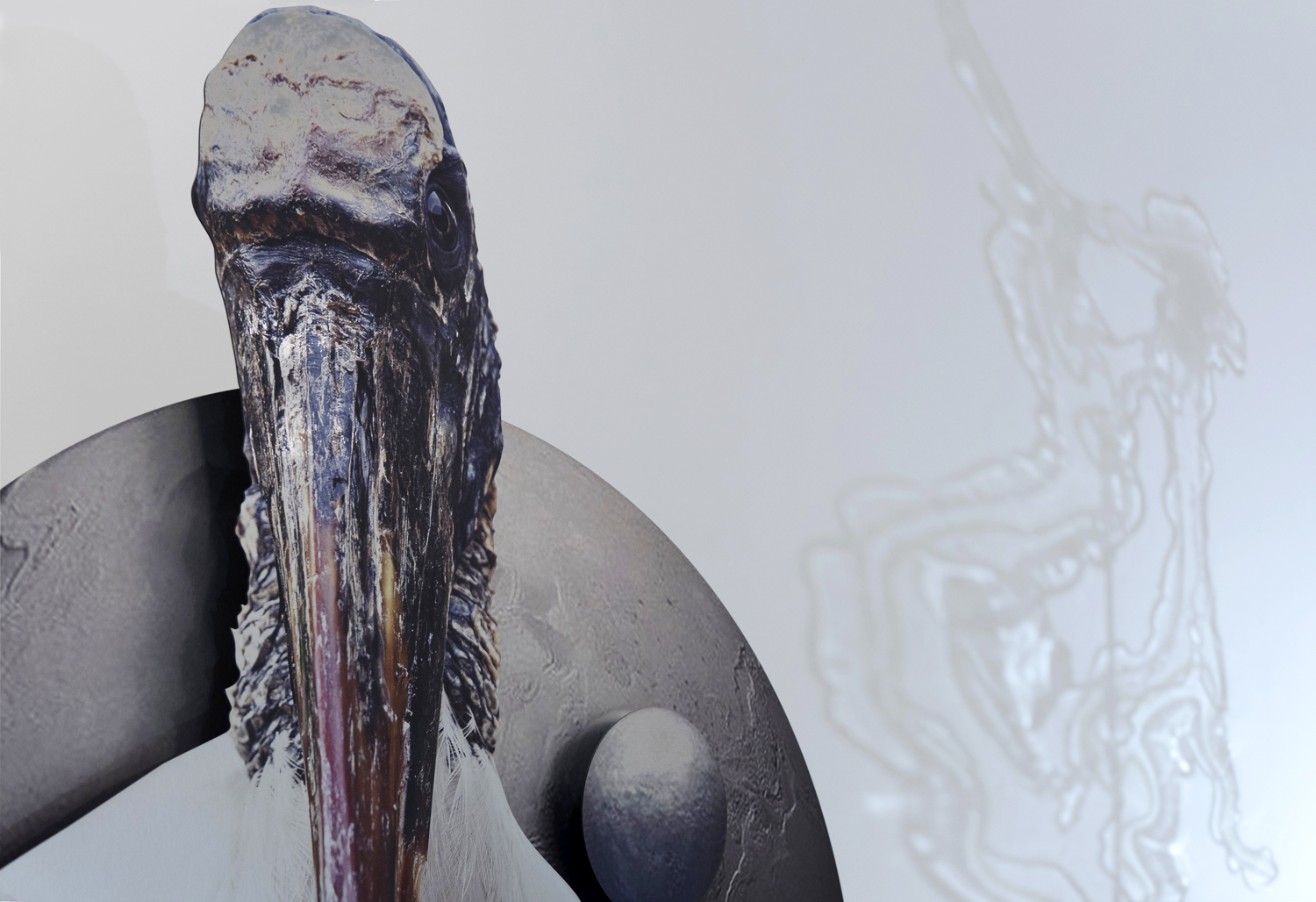
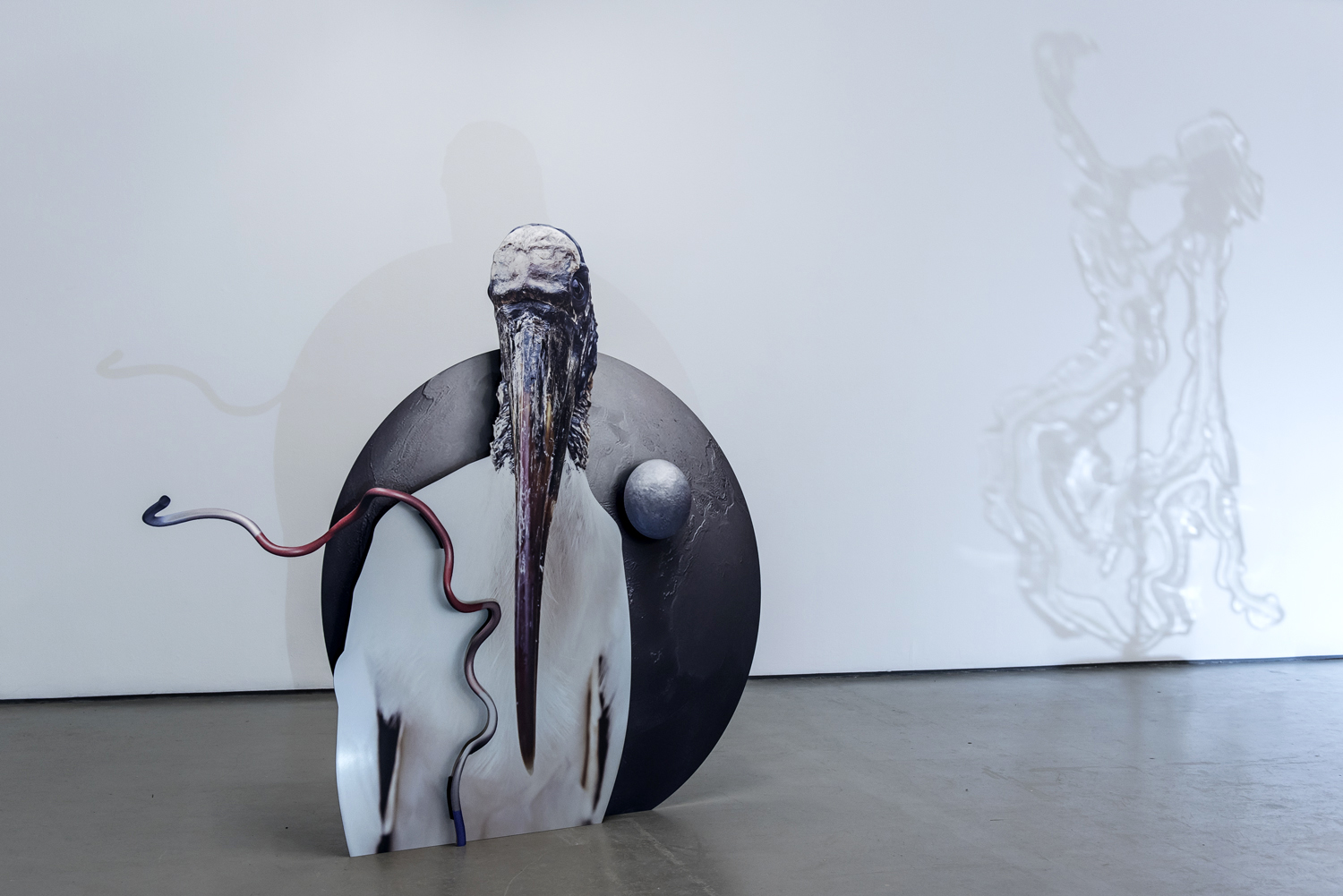
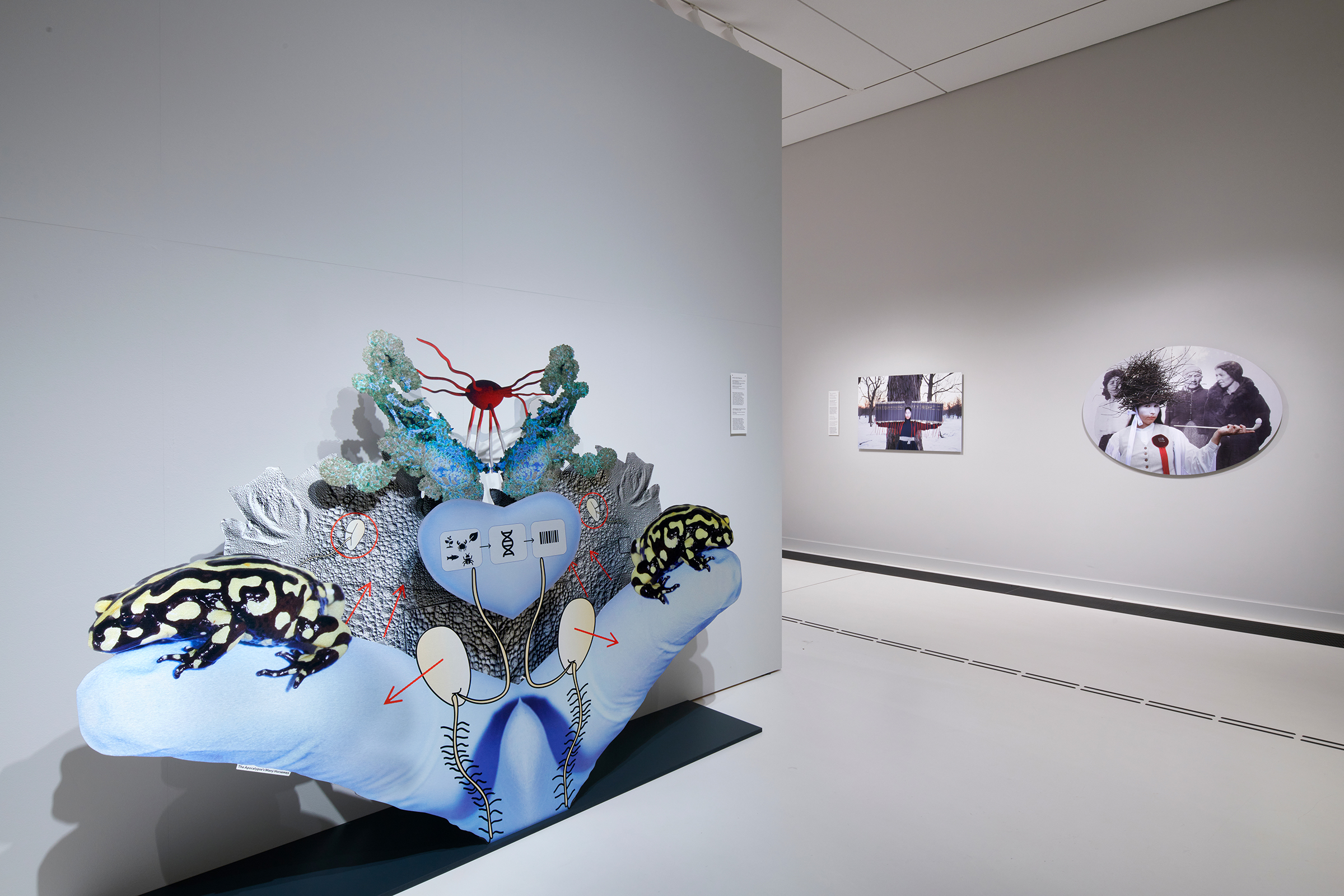
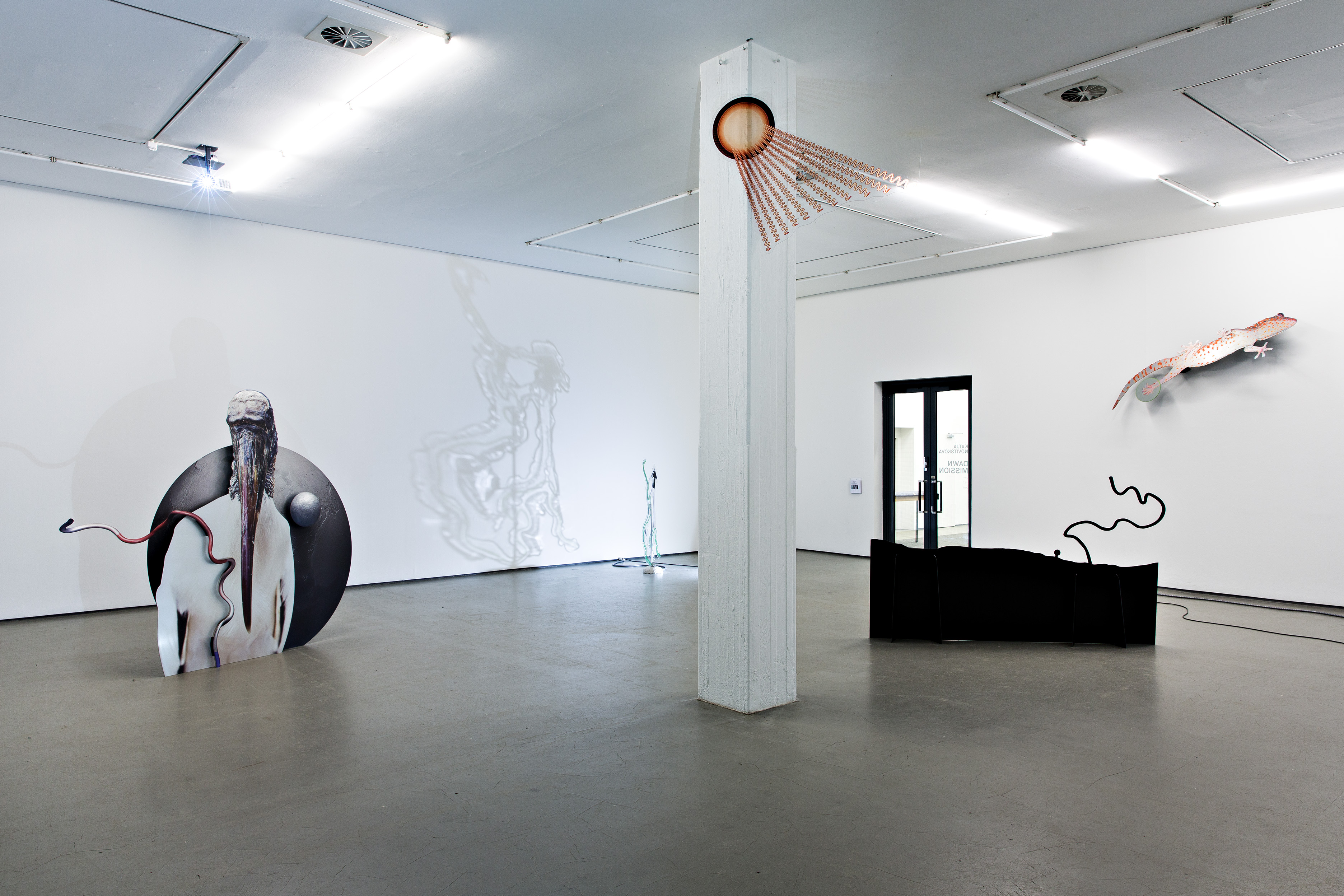
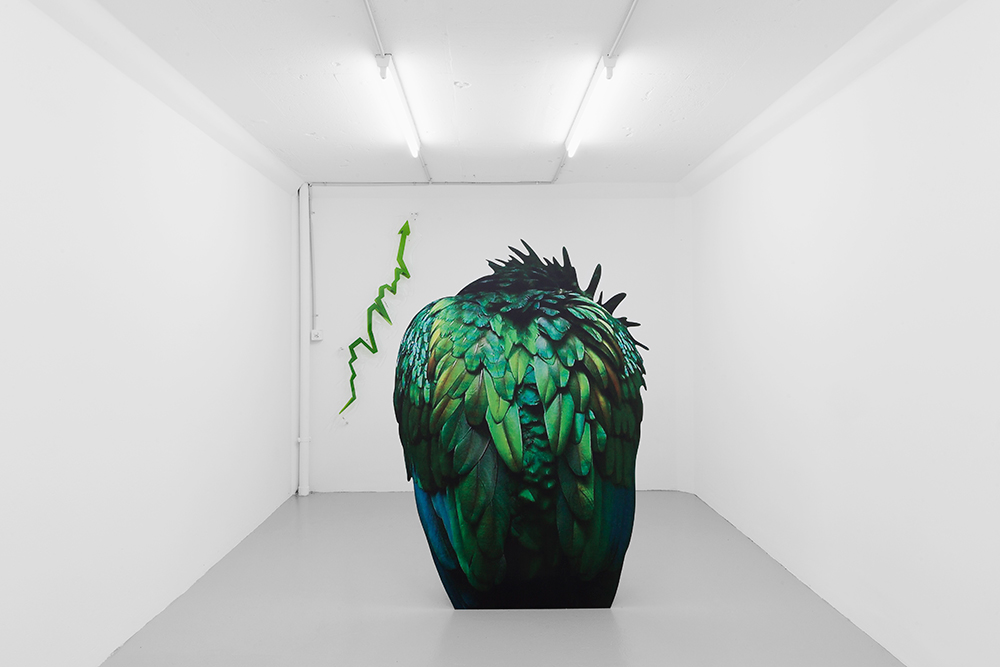
Earth Potential (marabou, air, proteins)
UV-resistant digital print on three layers of aluminium dibond, cutout display

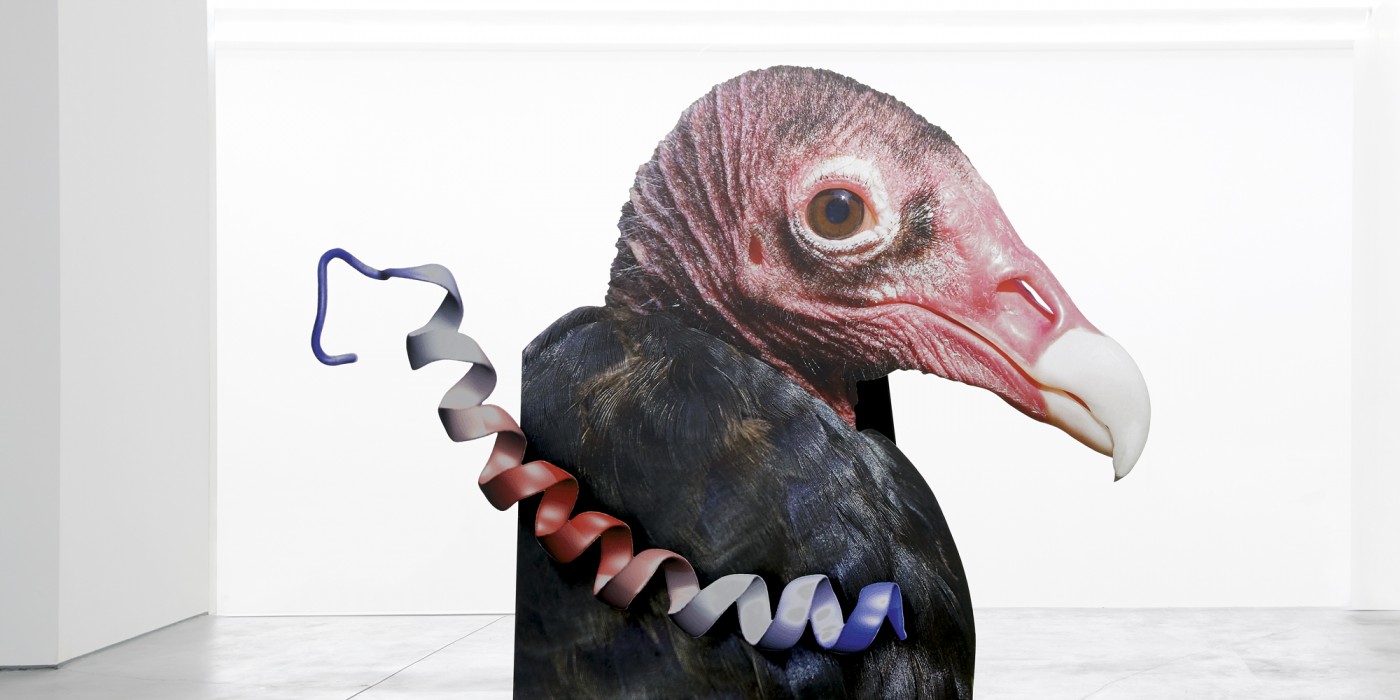
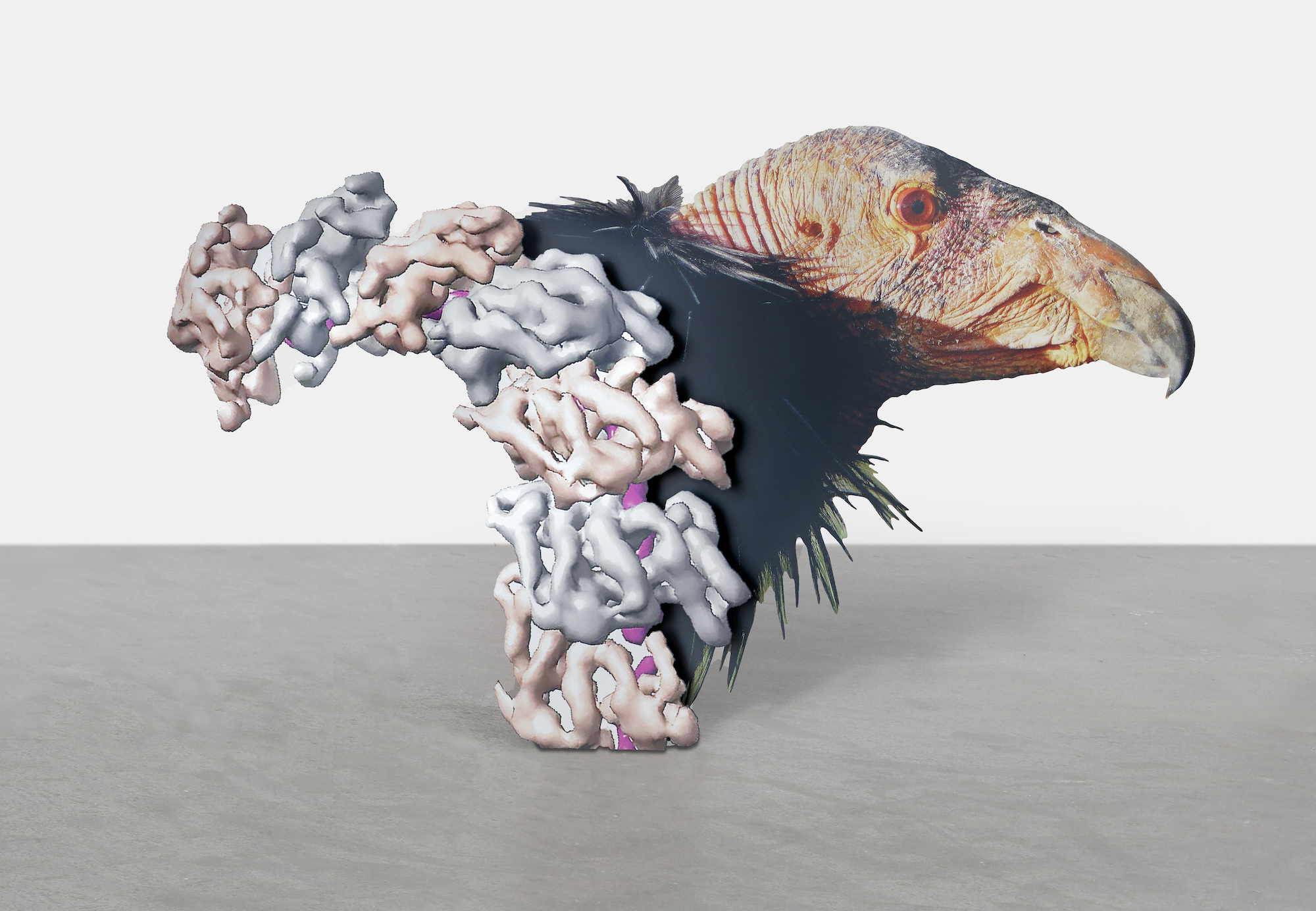
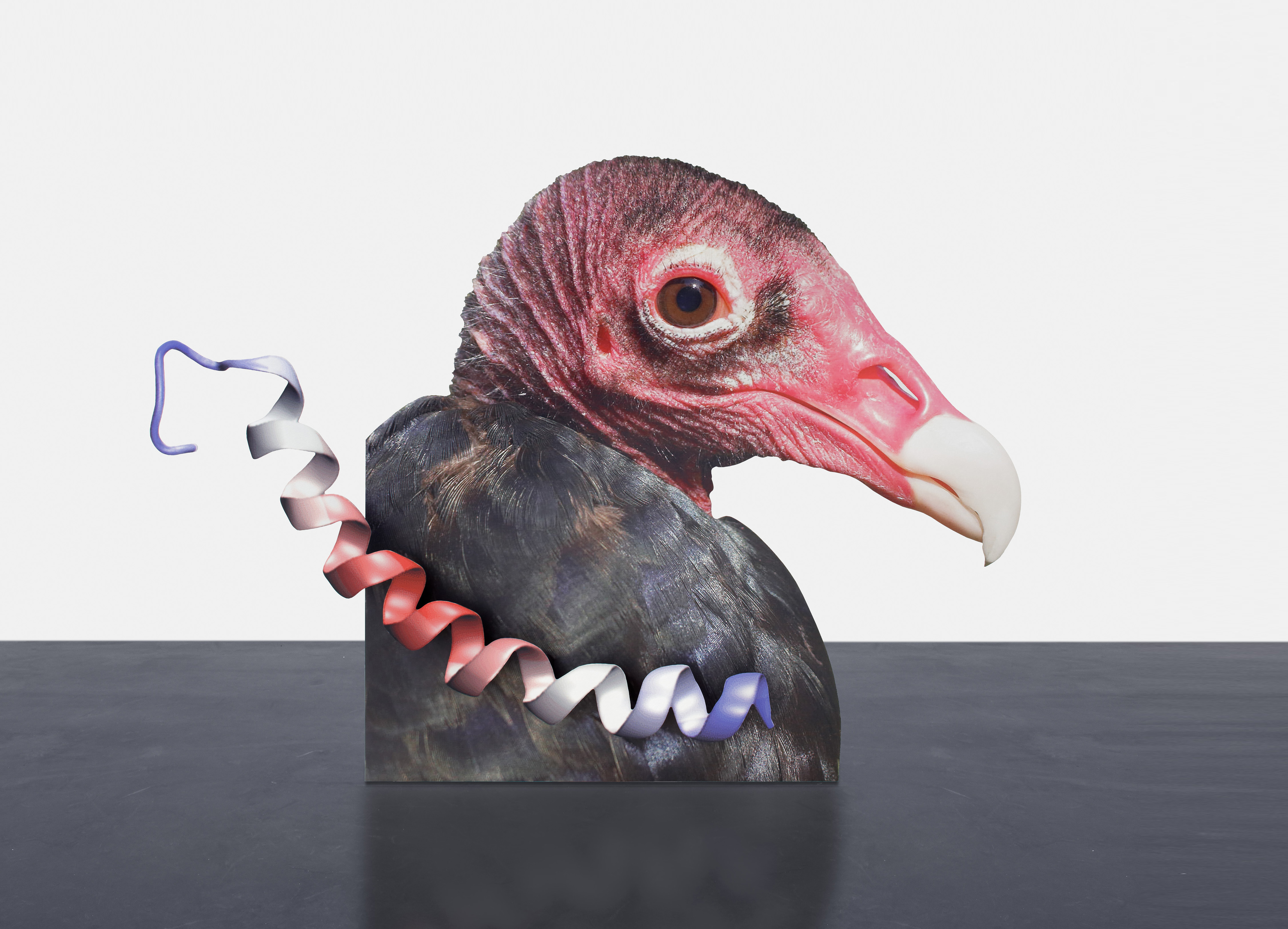
Earth Potential (vulture, alpha helix)
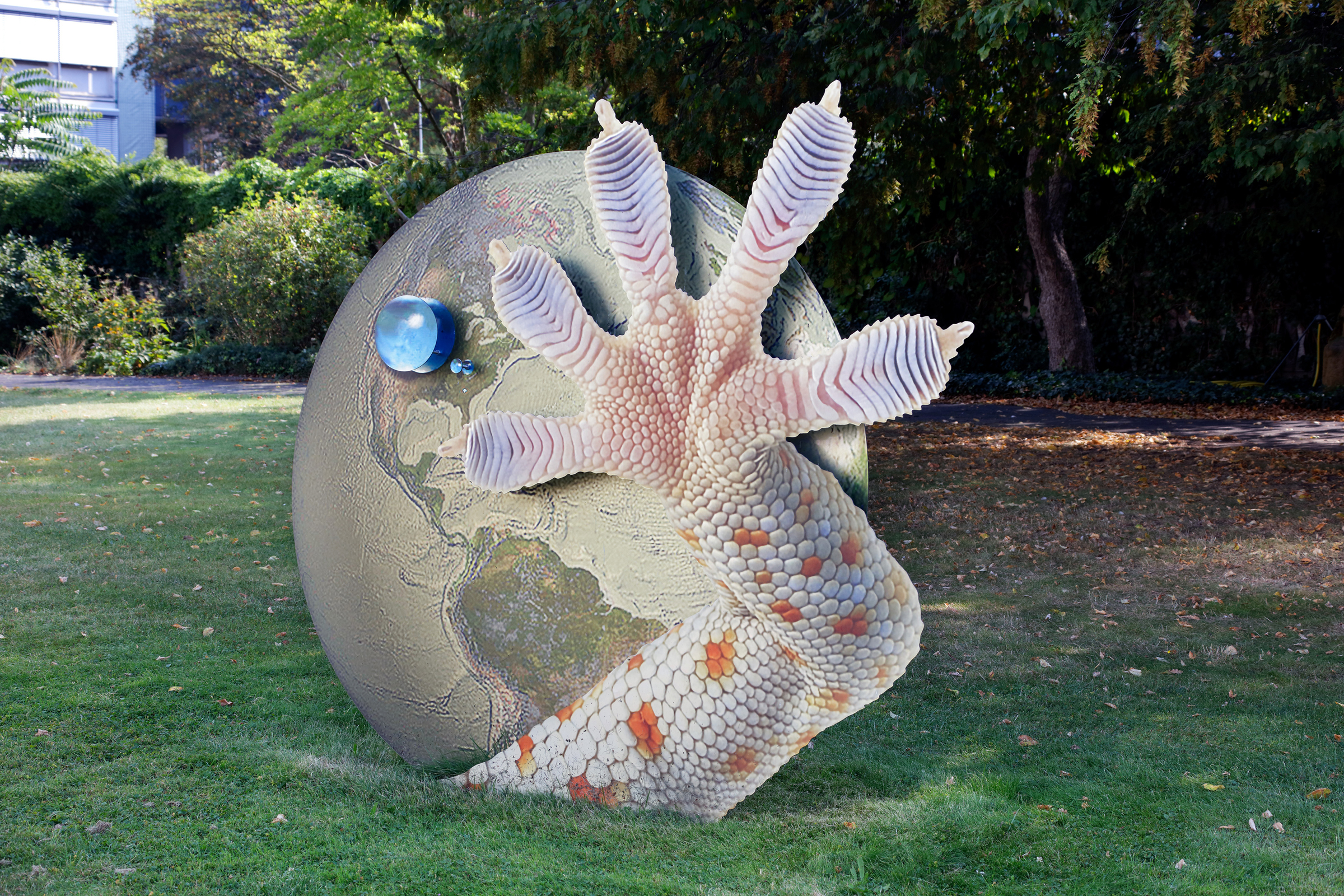
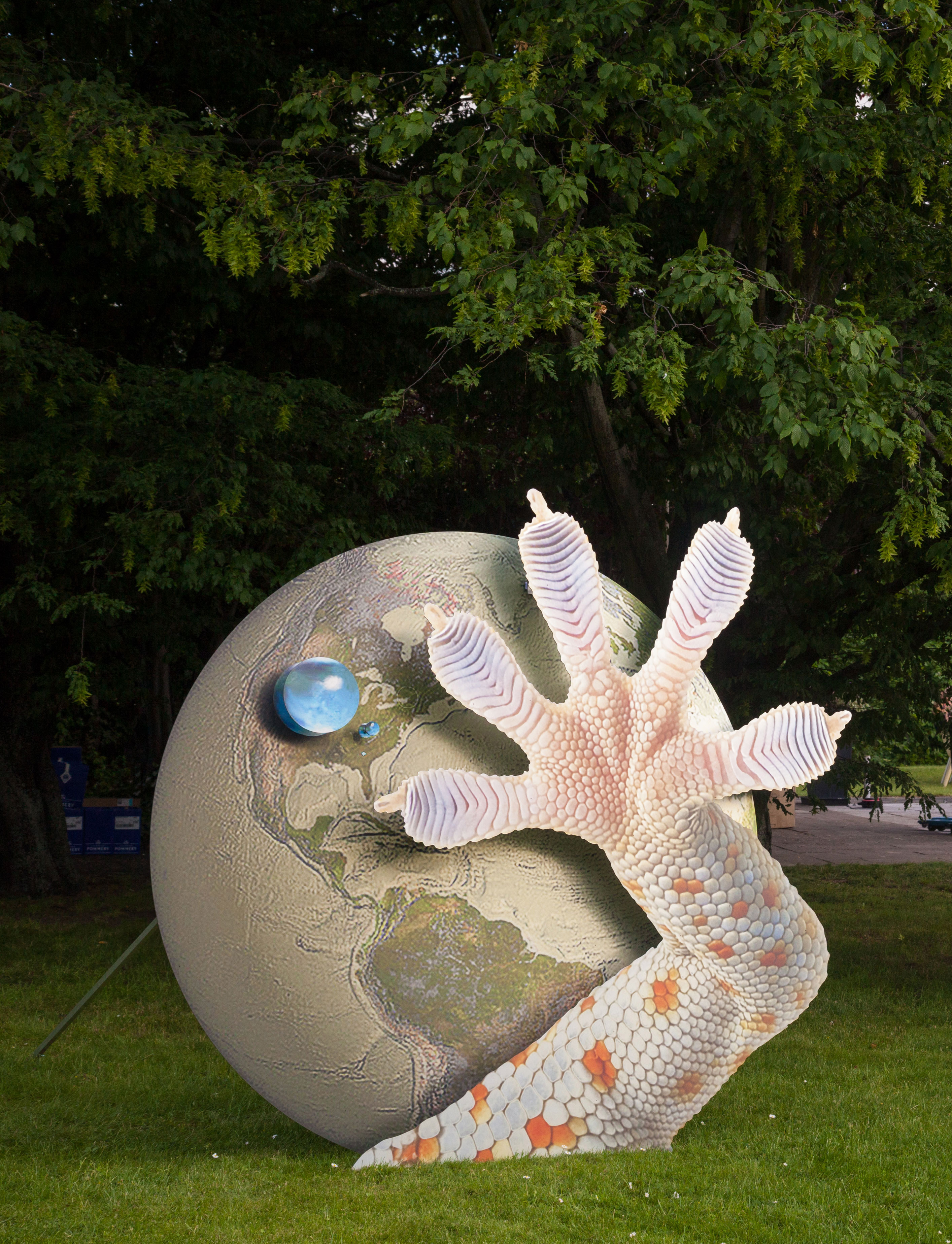
Earth Potential (water resources, gecko leg)
UV-resistant digital print on three layers of aluminium dibond, cutout display
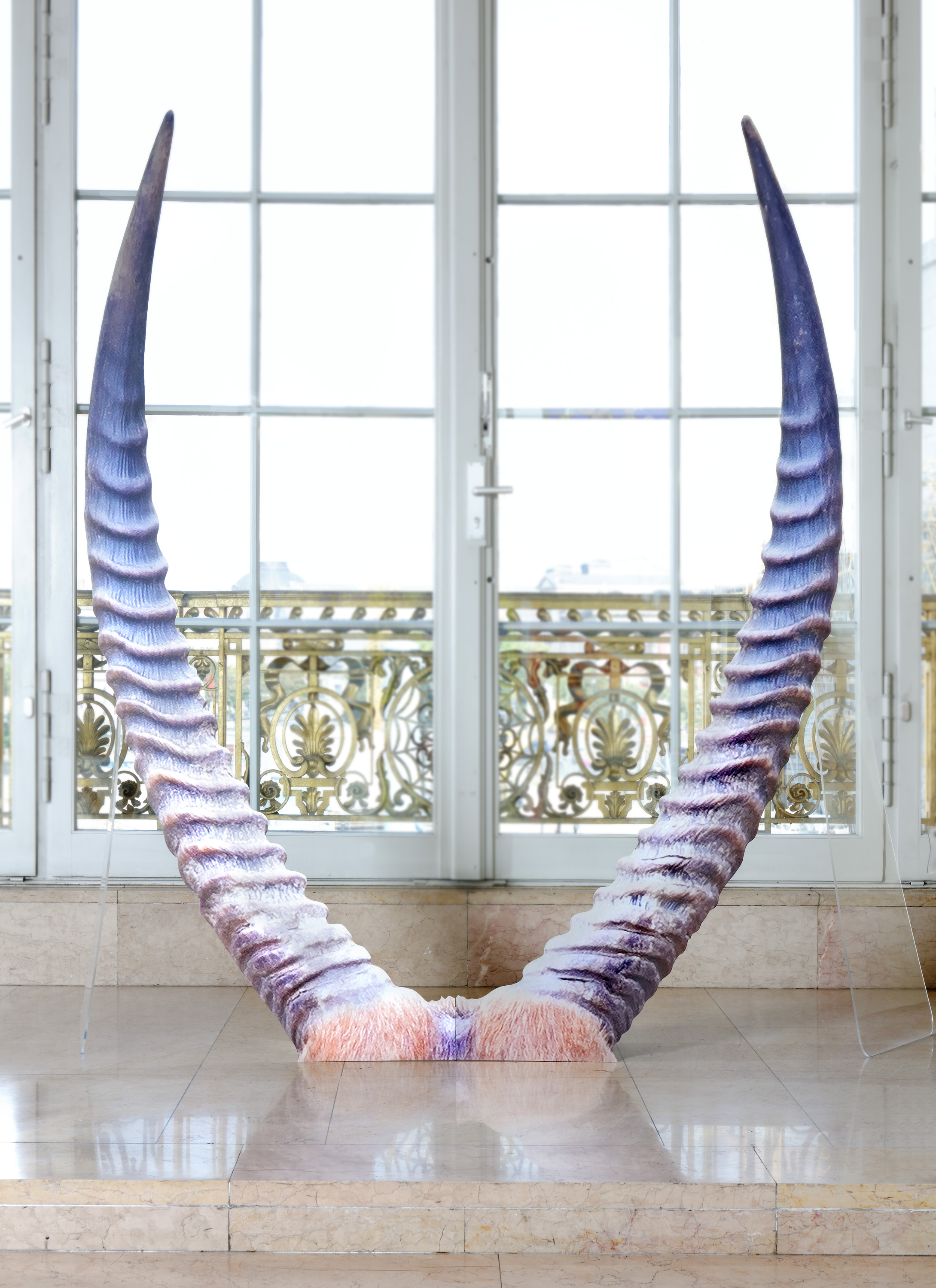
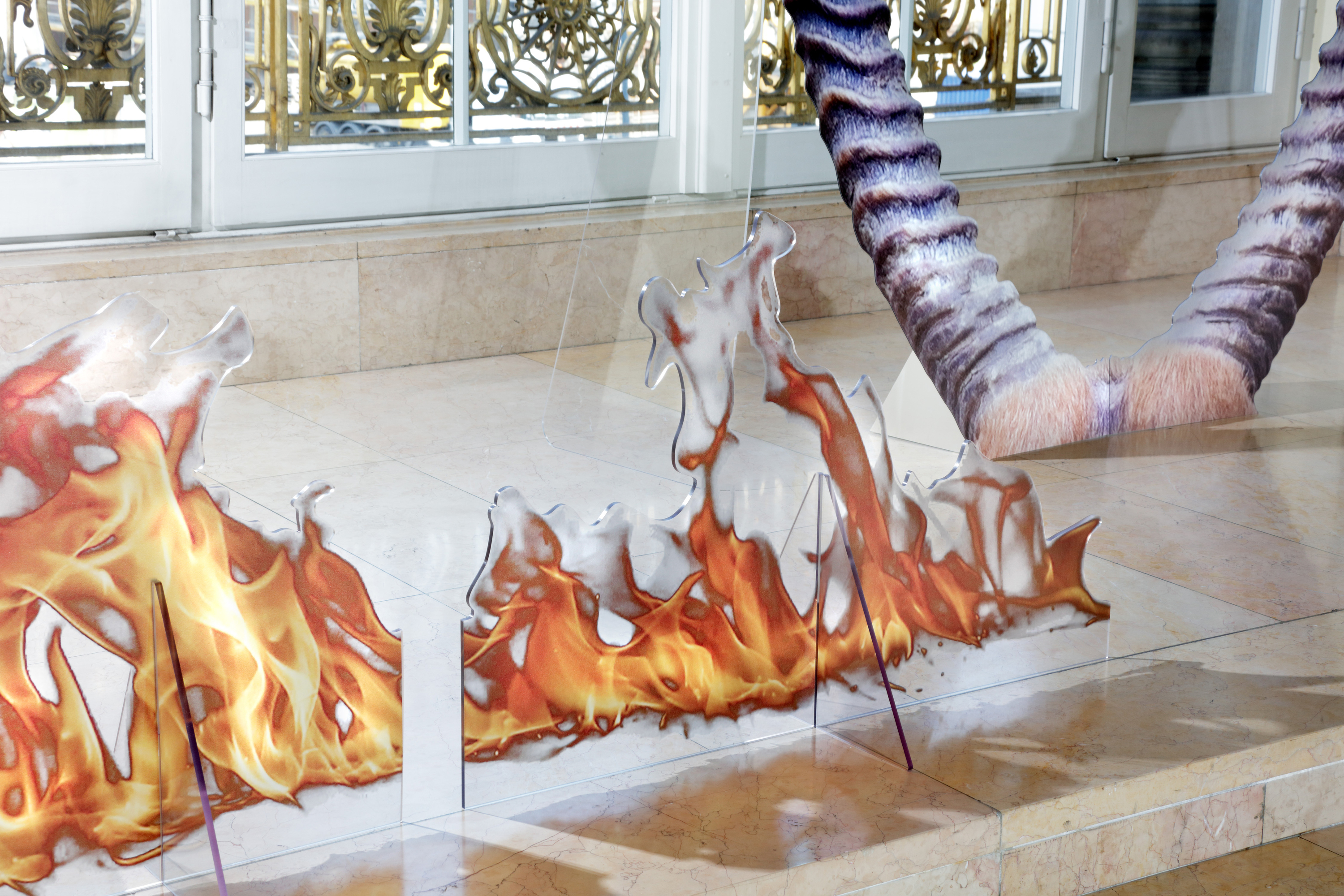
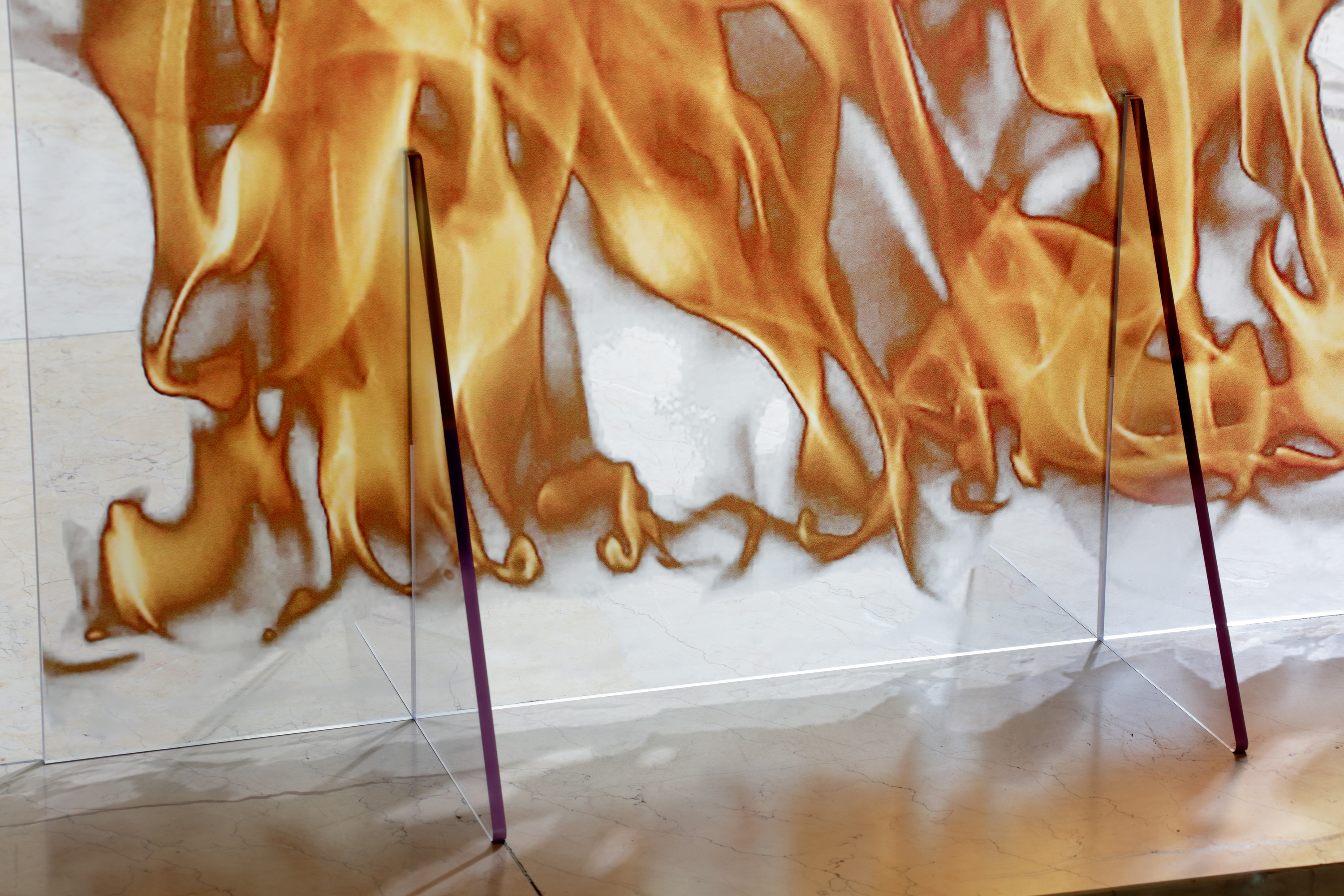
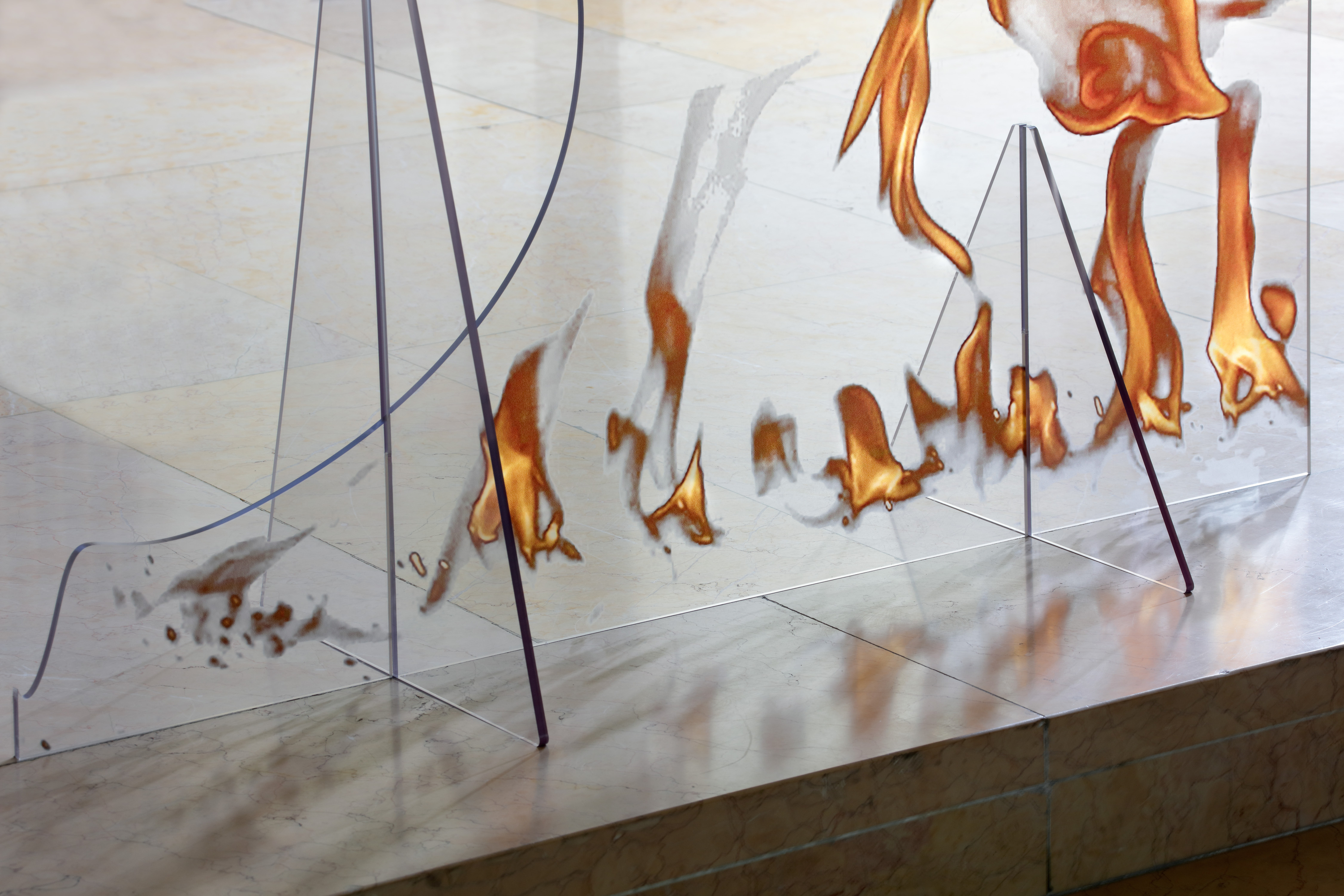
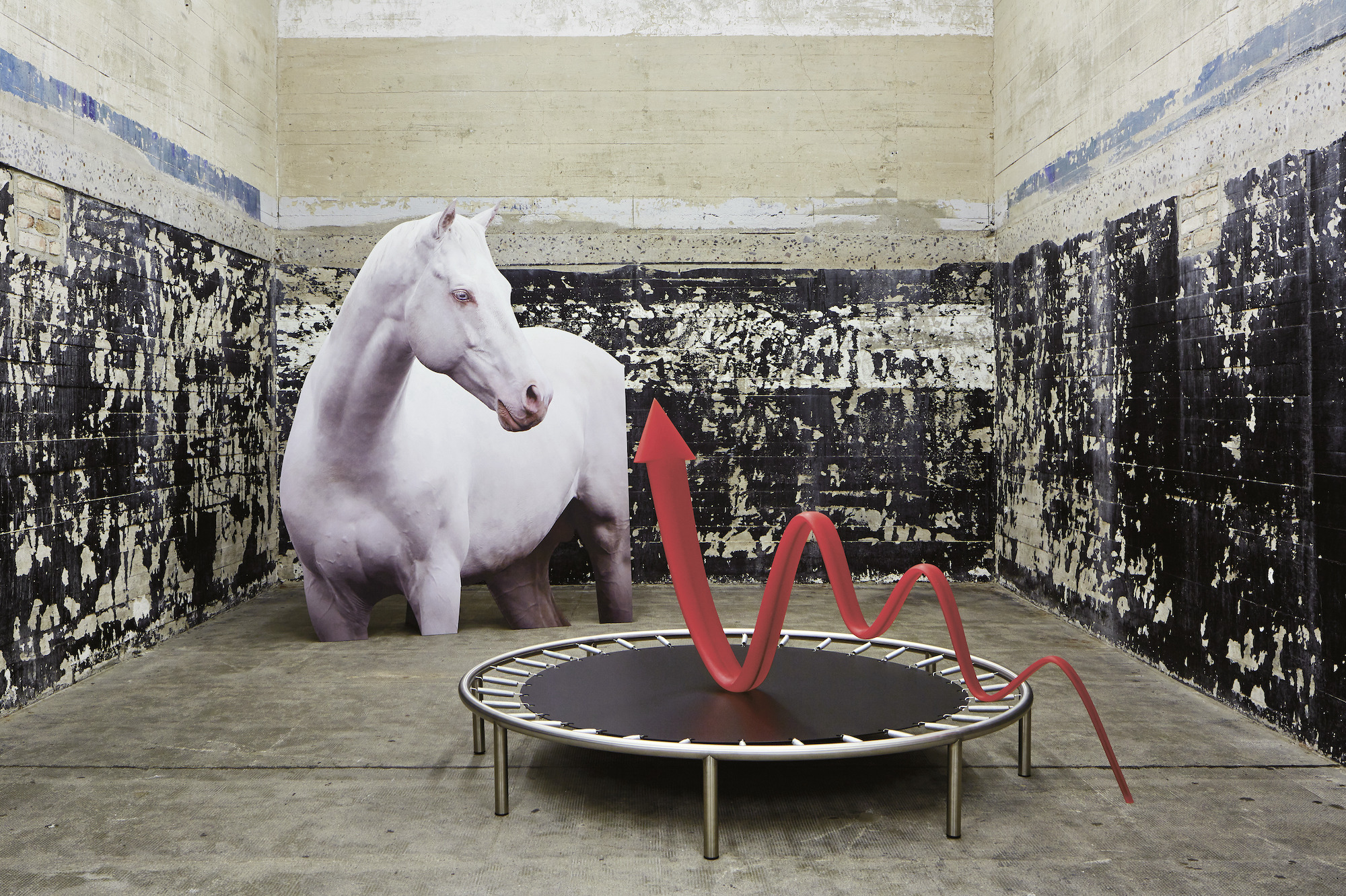
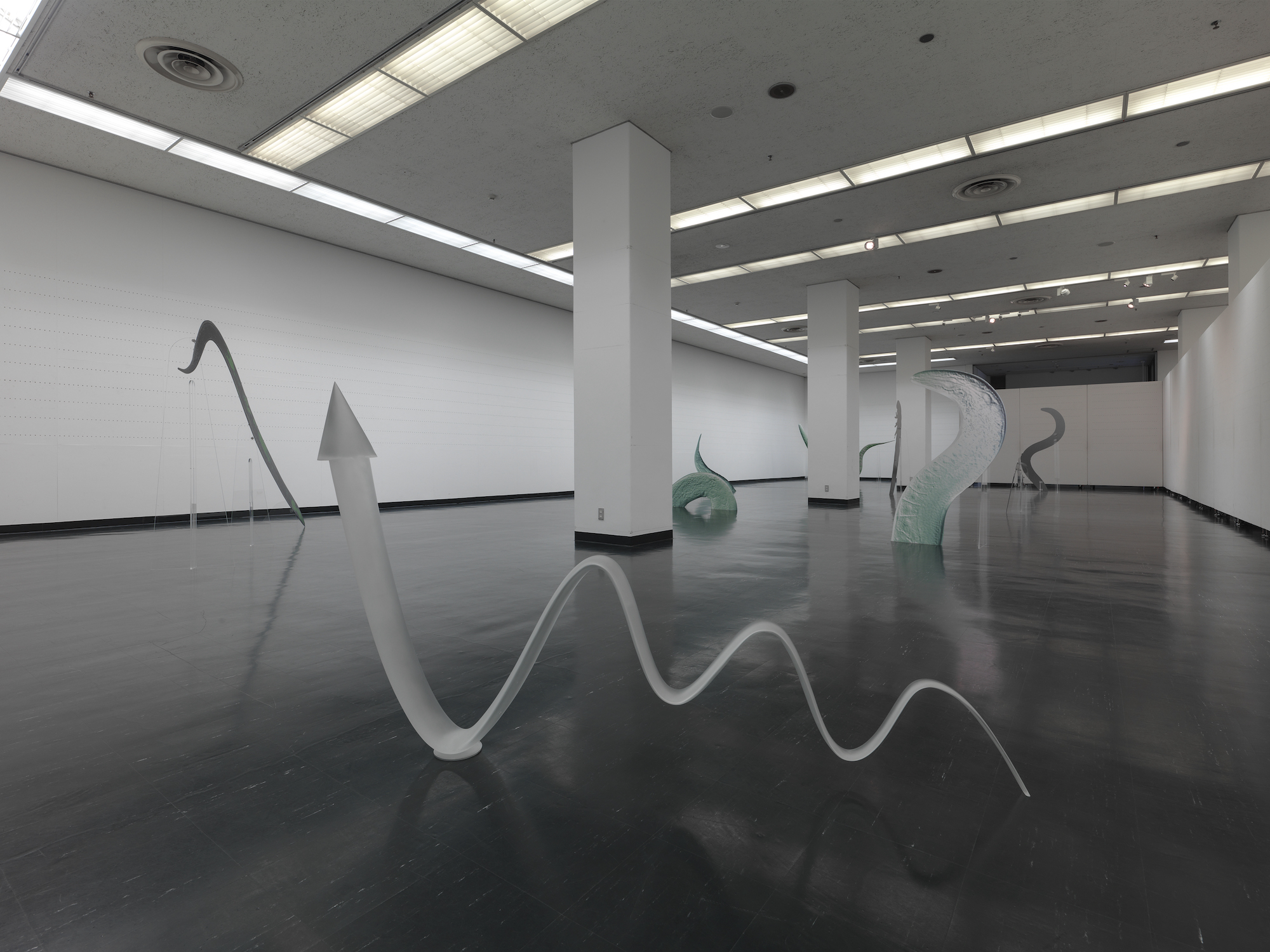
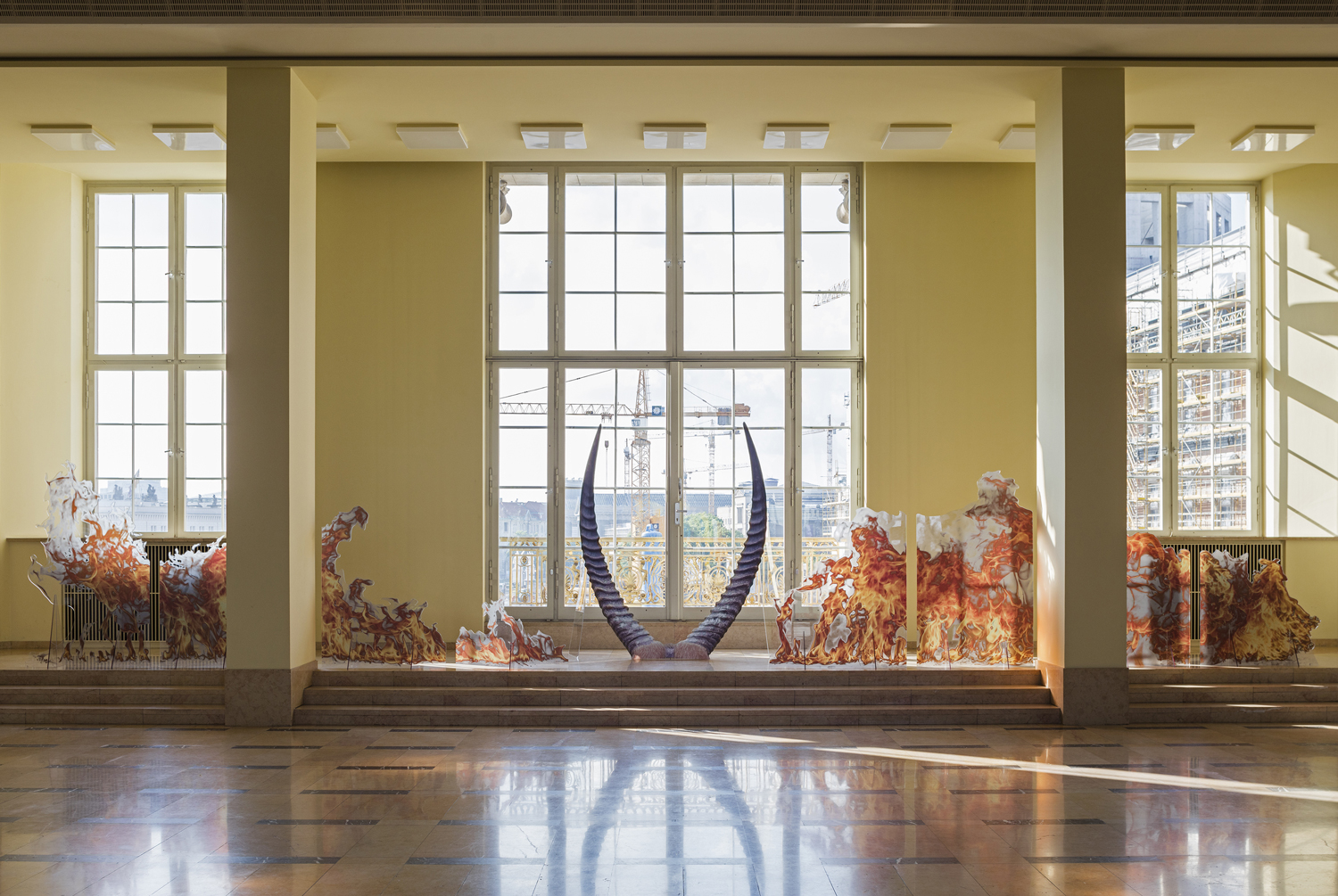
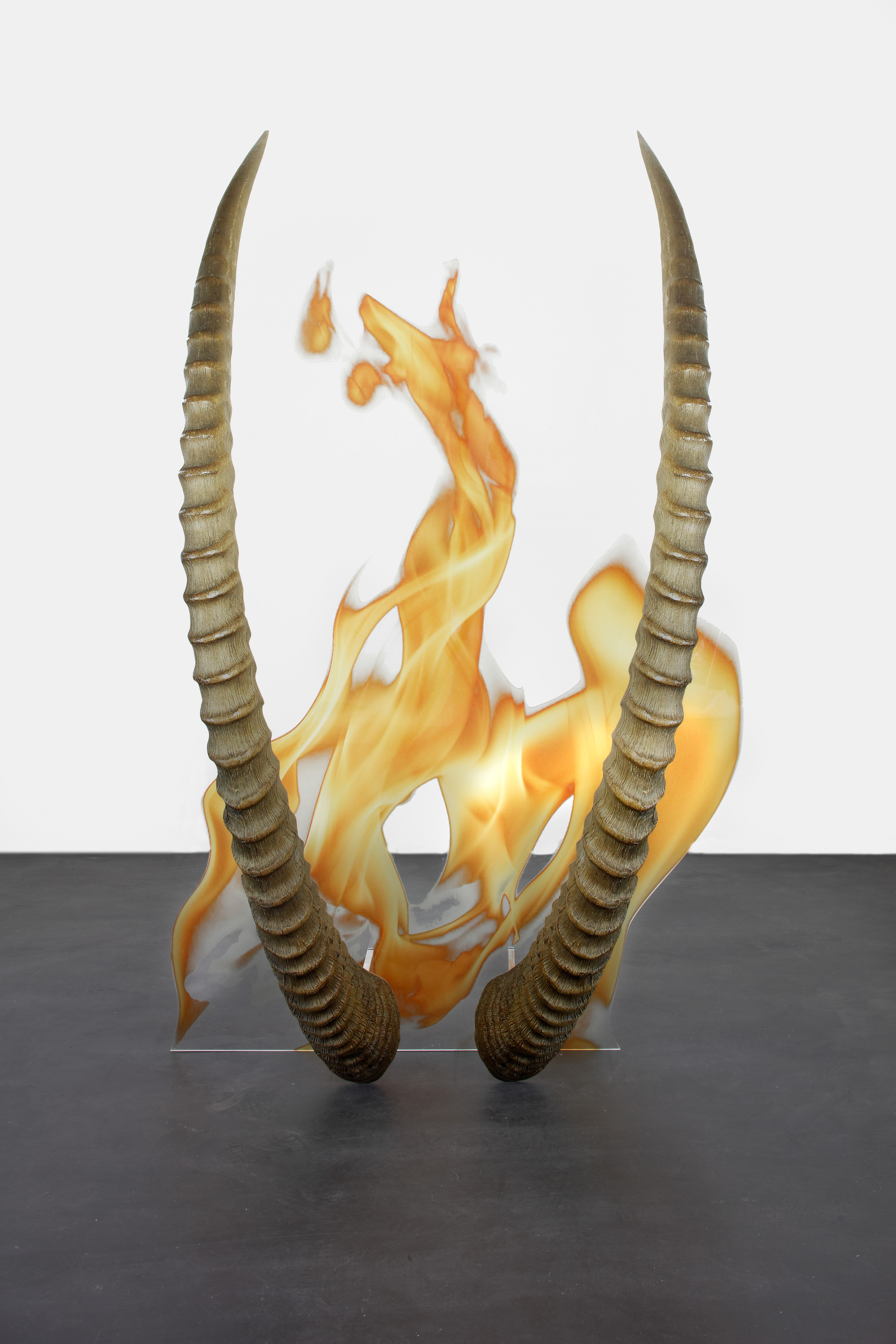
Expansion Curves (fire worship, purple horns)
Print on pet-g, UV resistant digital print on aluminium dibond, plexiglass support structures Approx. 150 x 900 x 40 cm.

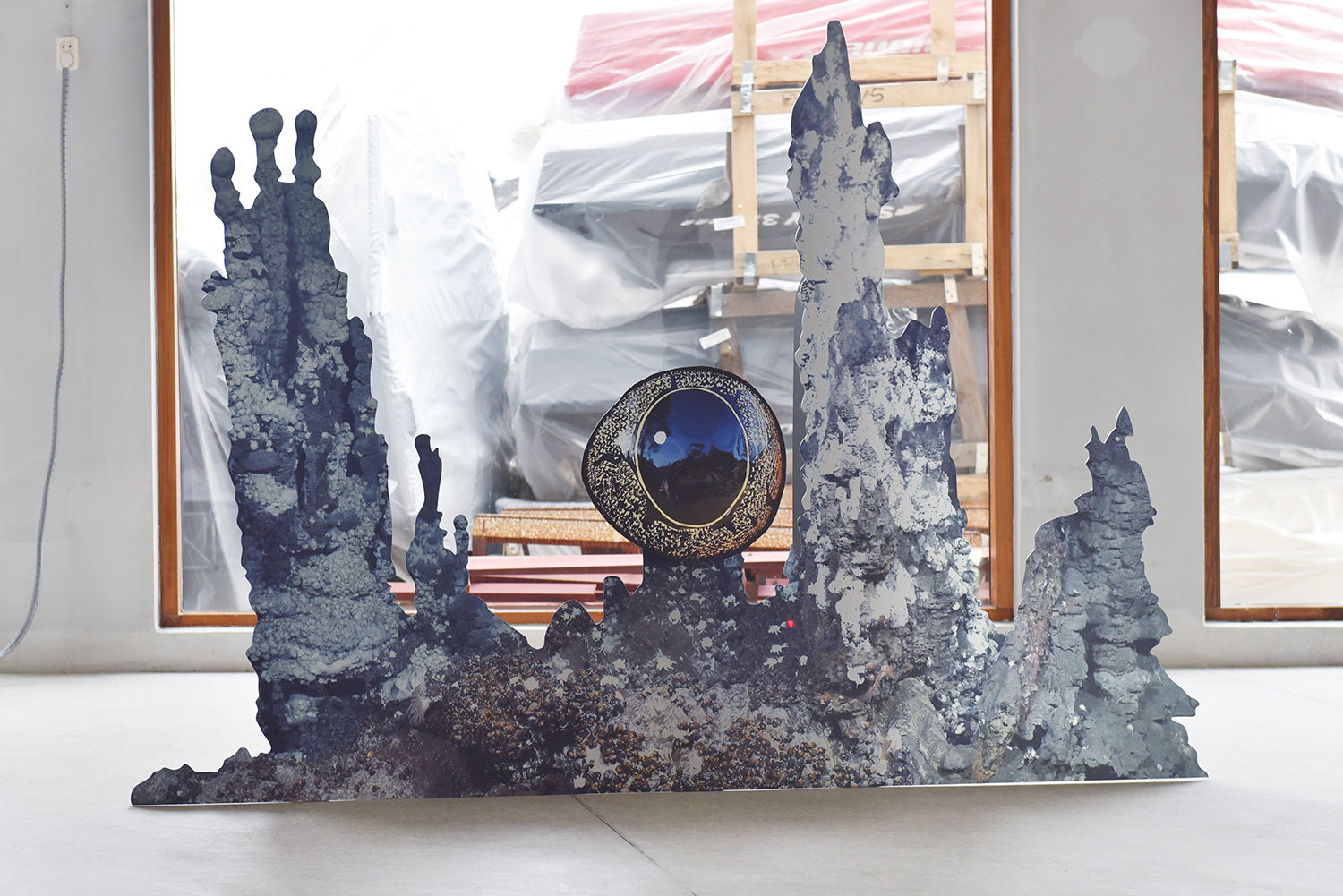
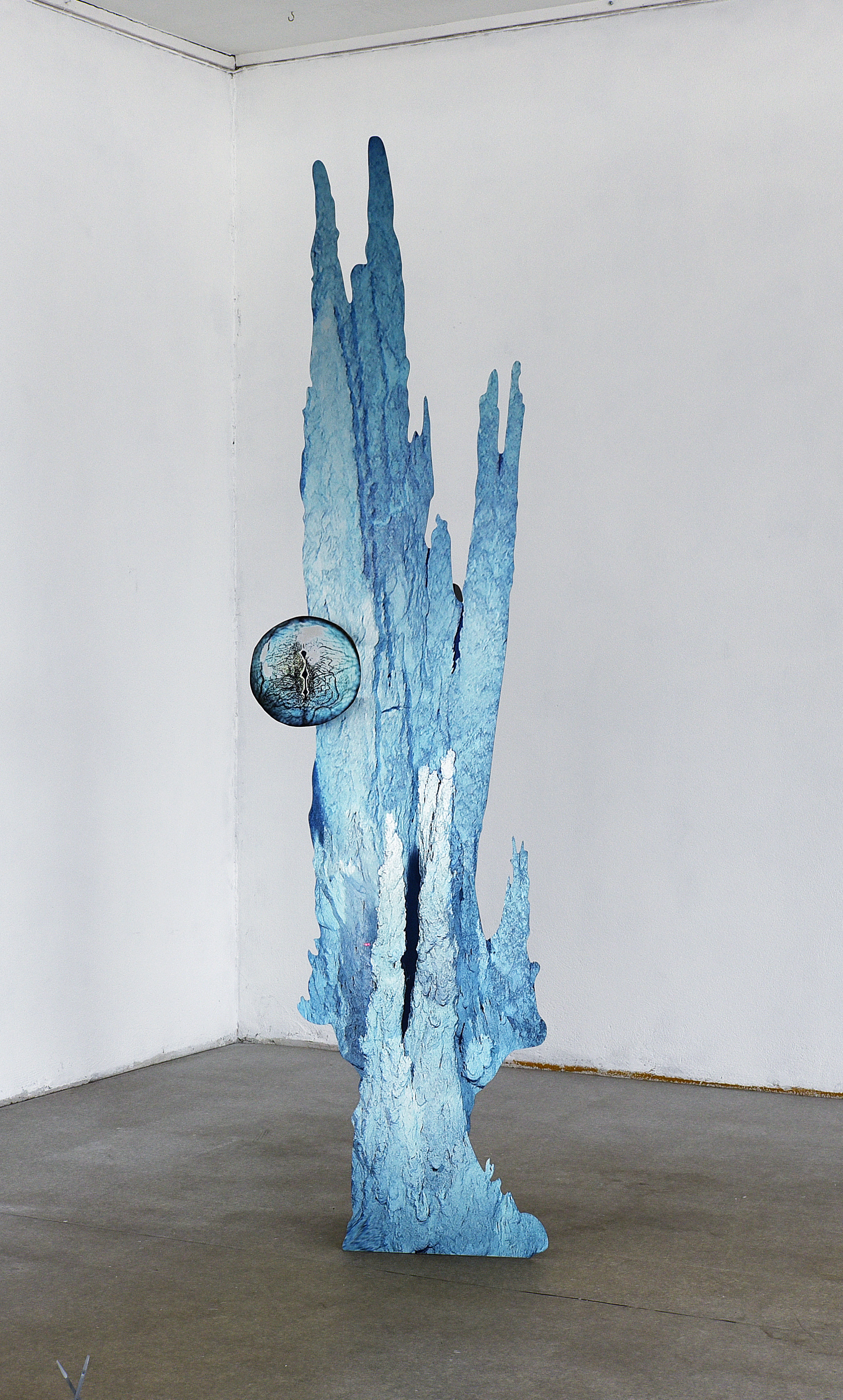
Hydrothermal Potential (East Scotia Ridge)
UV-resistant digital print on 2 layers of aluminium dibond, cutout display
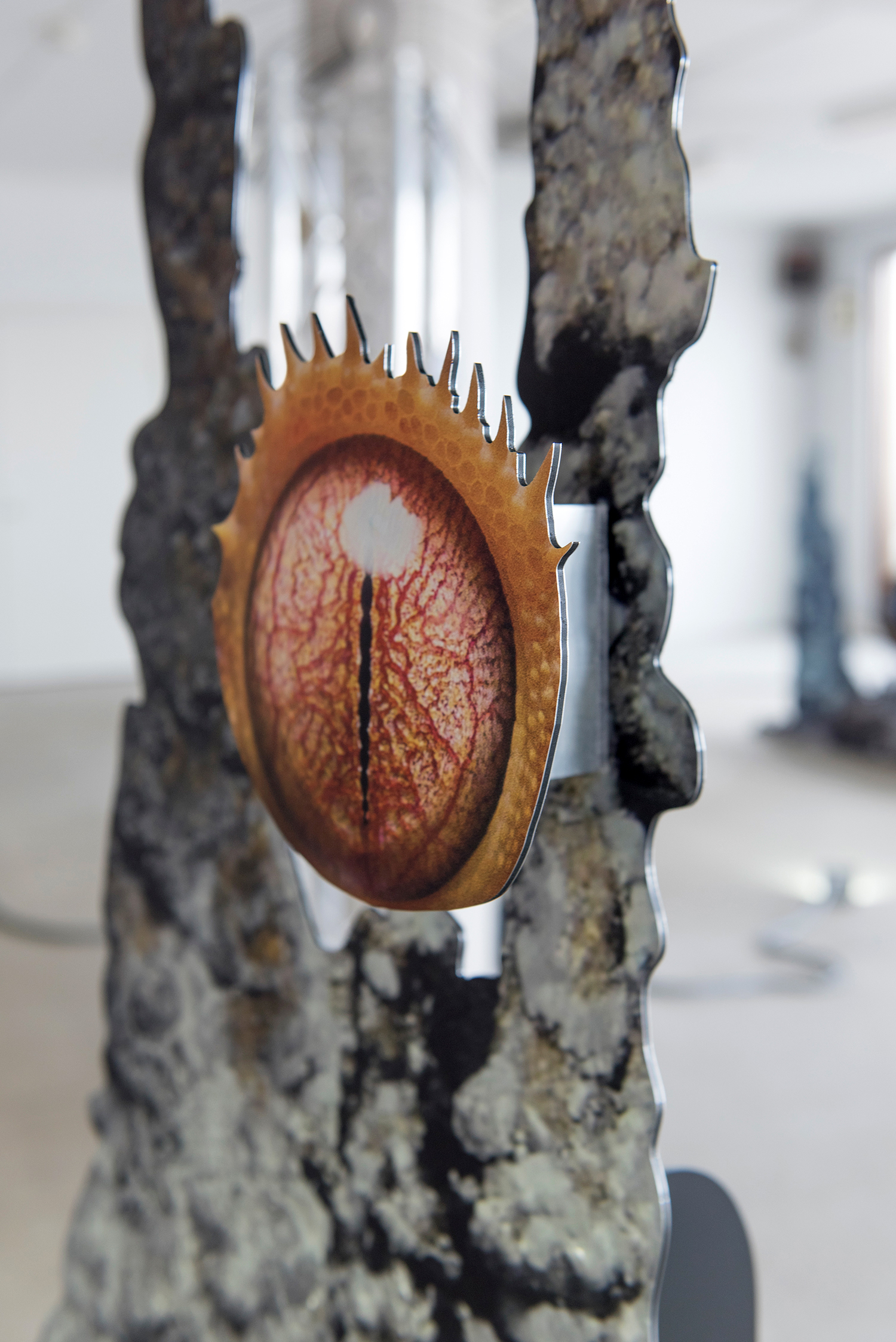
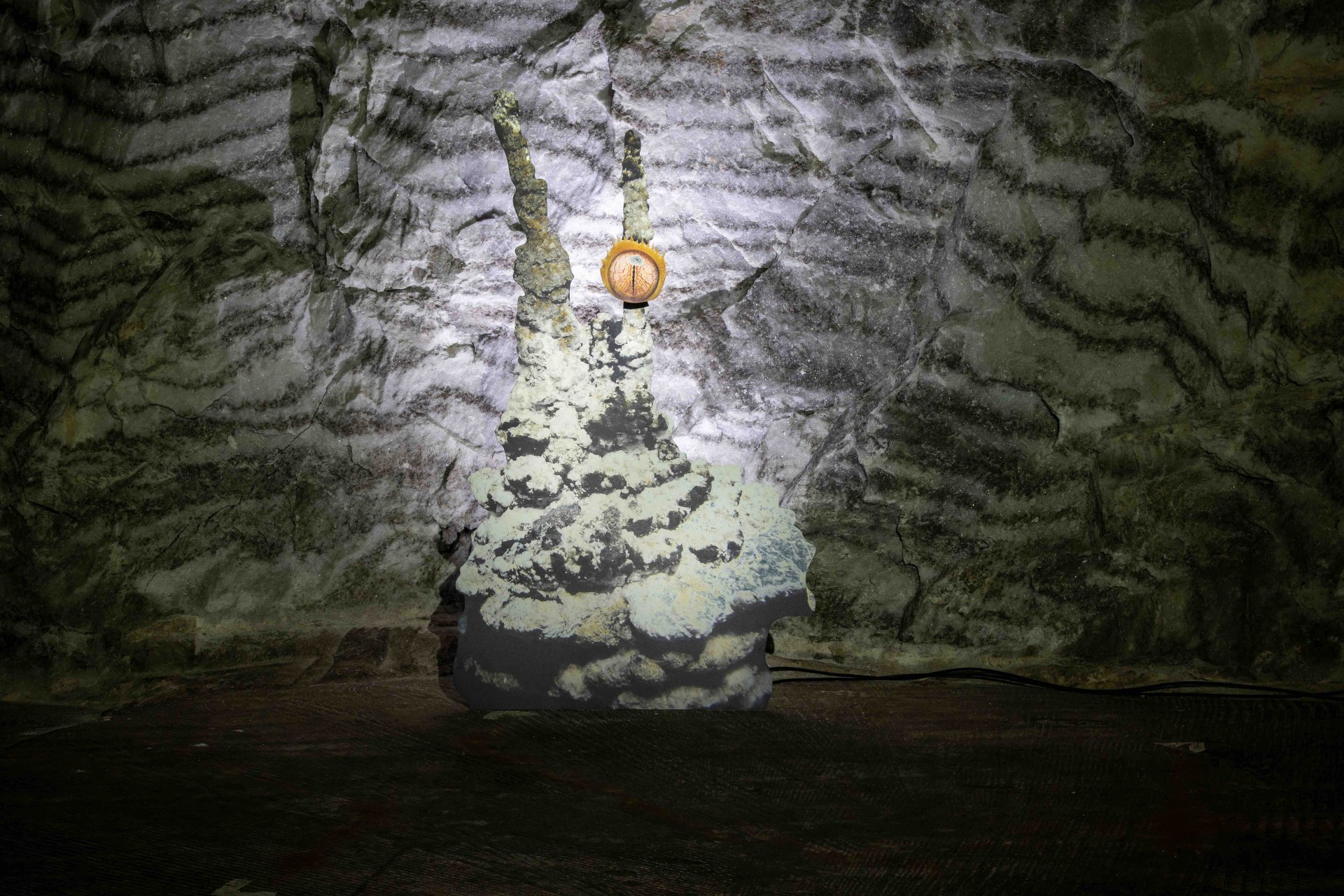
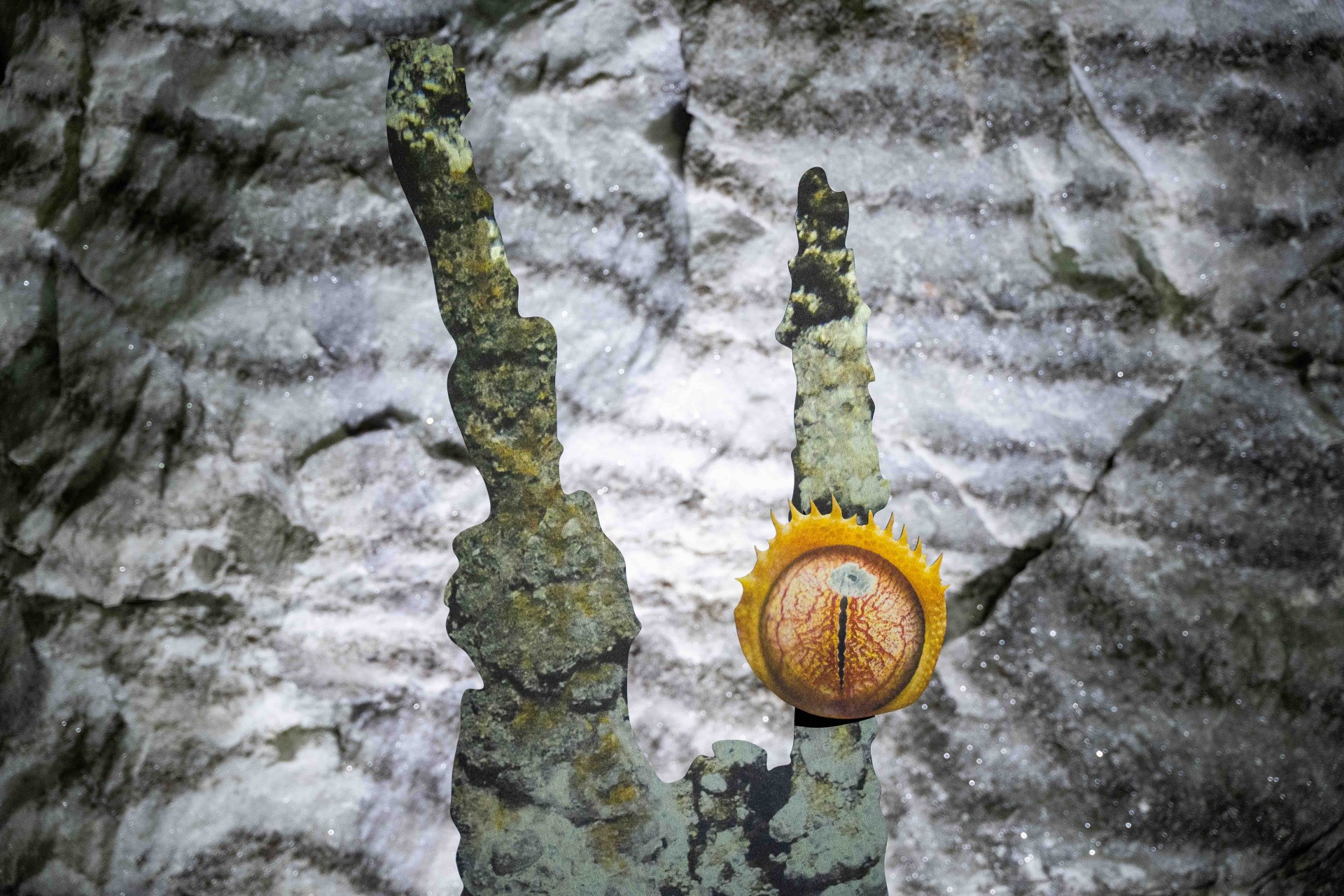
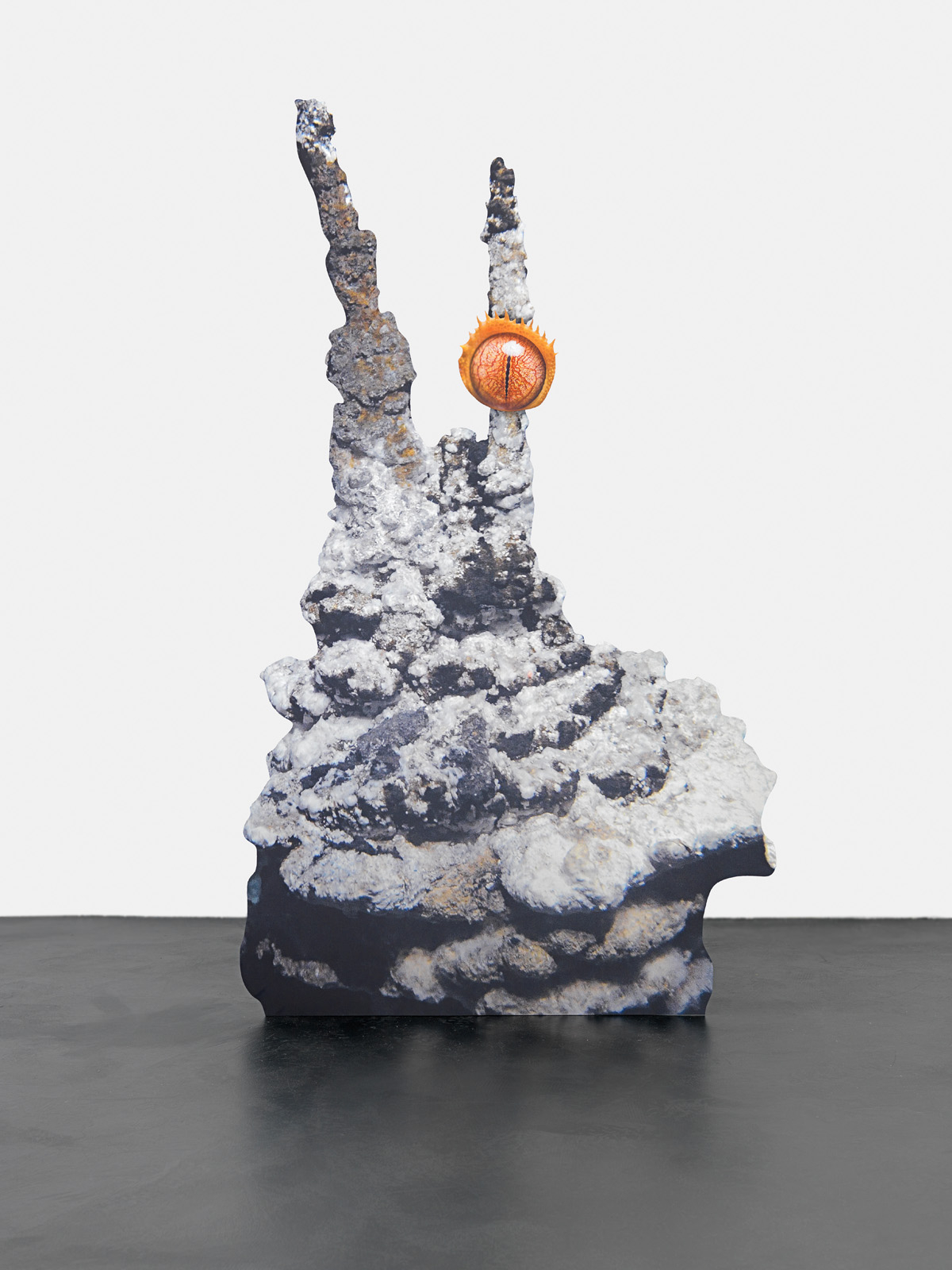
Hydrothermal Potential (Loki's Castle)
UV-resistant digital print on two layers of aluminium dibond, cutout display
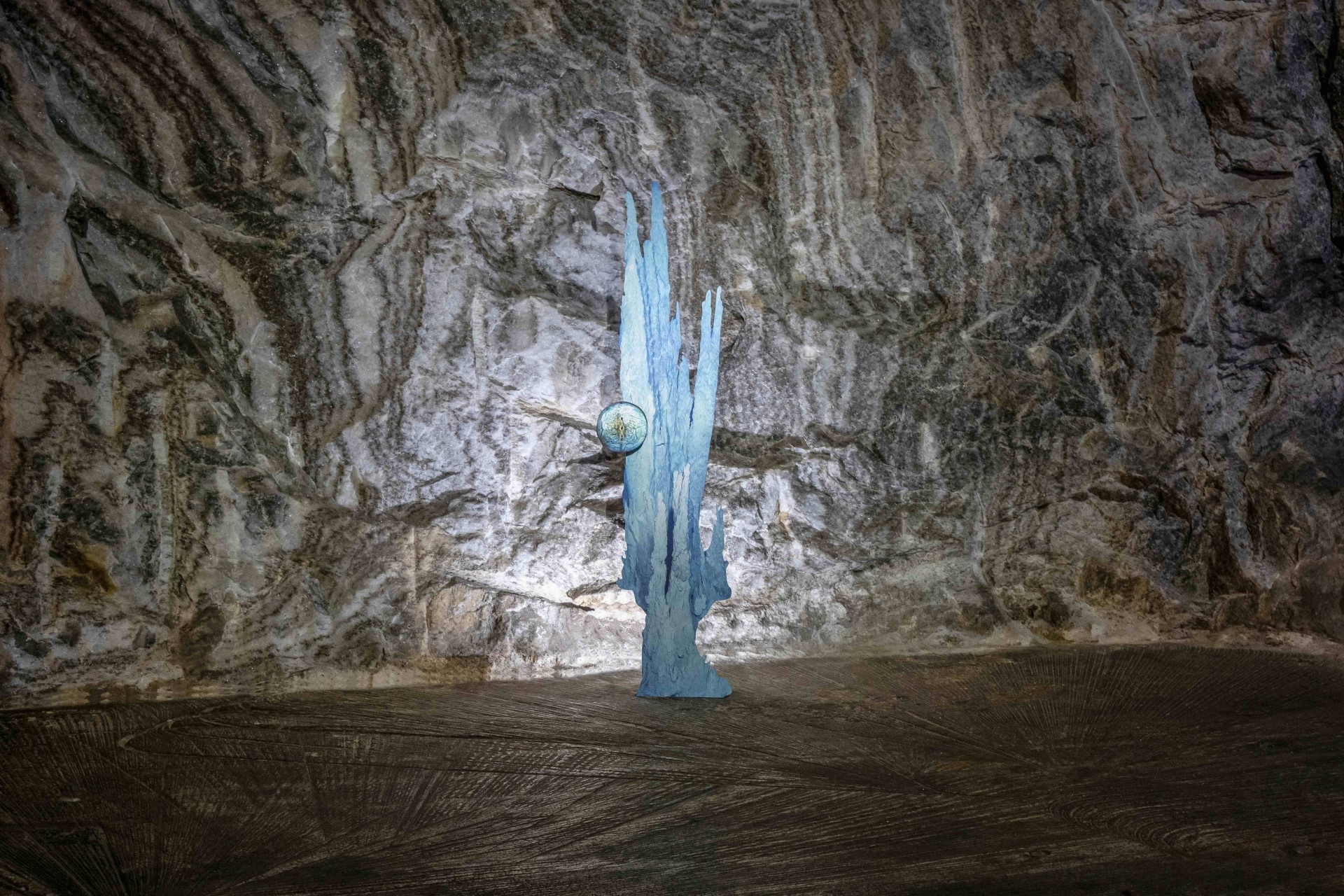
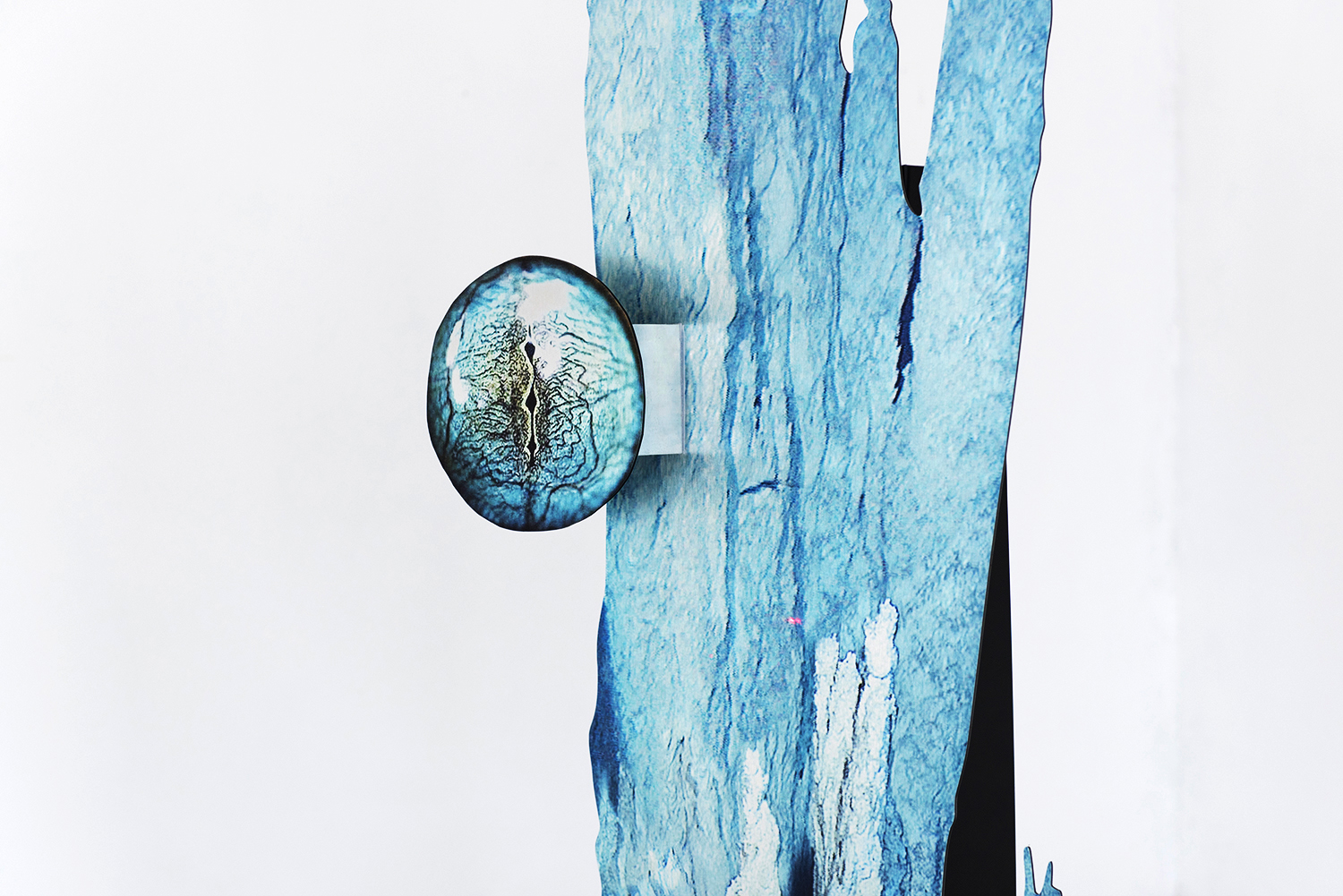
Hydrothermal Potential (Lost City)
UV-resistant digital print on 2 layers of aluminium dibond, cutout display
Light Trajectory (MRI)
UV-resistant digital print on aluminium dibond, cutout display
Light Trajectory (jellyfish)
UV-resistant digital print on aluminium dibond, cutout display
Mars Potential (butterfly)
UV-resistant digital print on 2 layers of aluminium dibond, cutout display
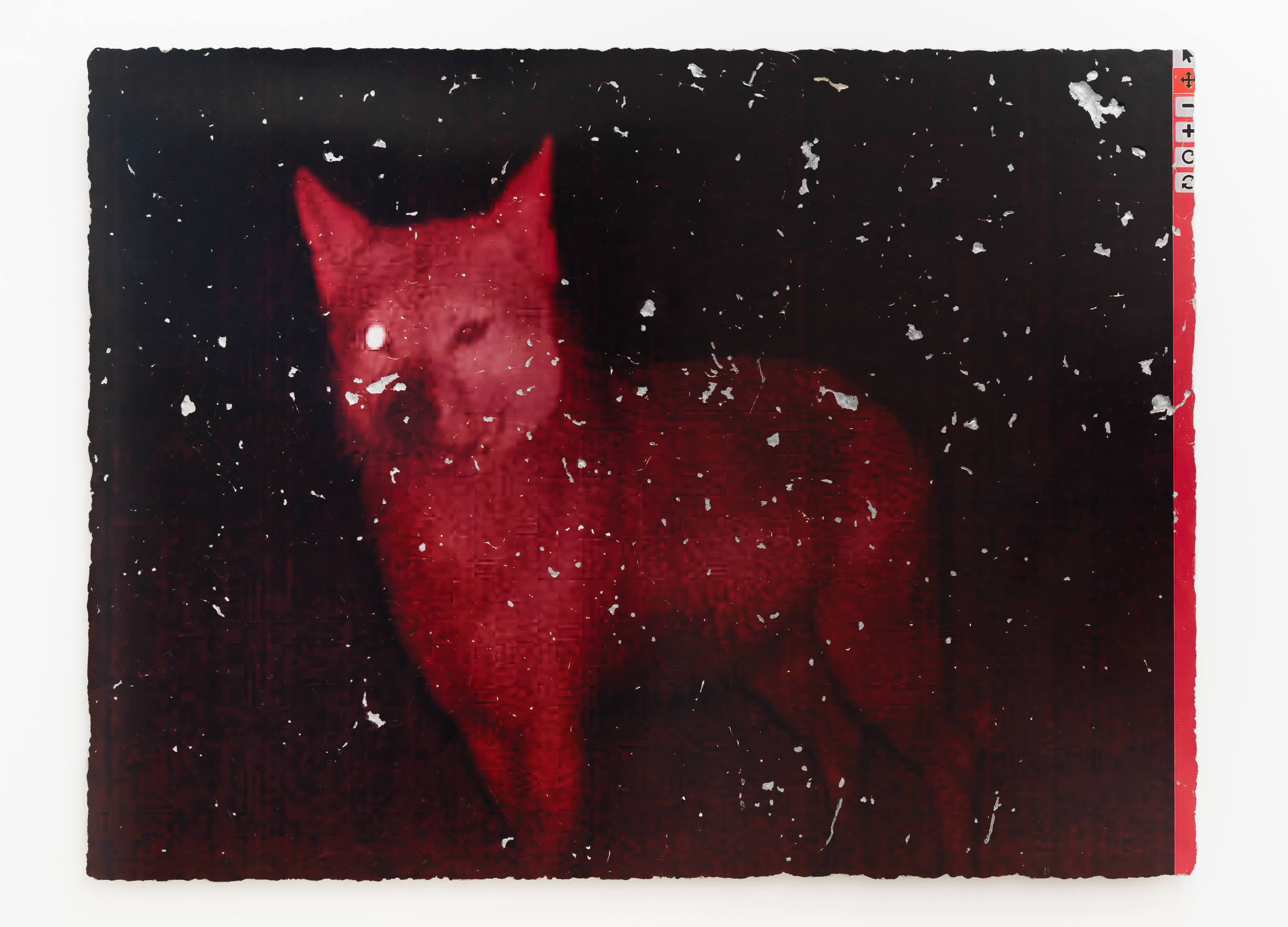
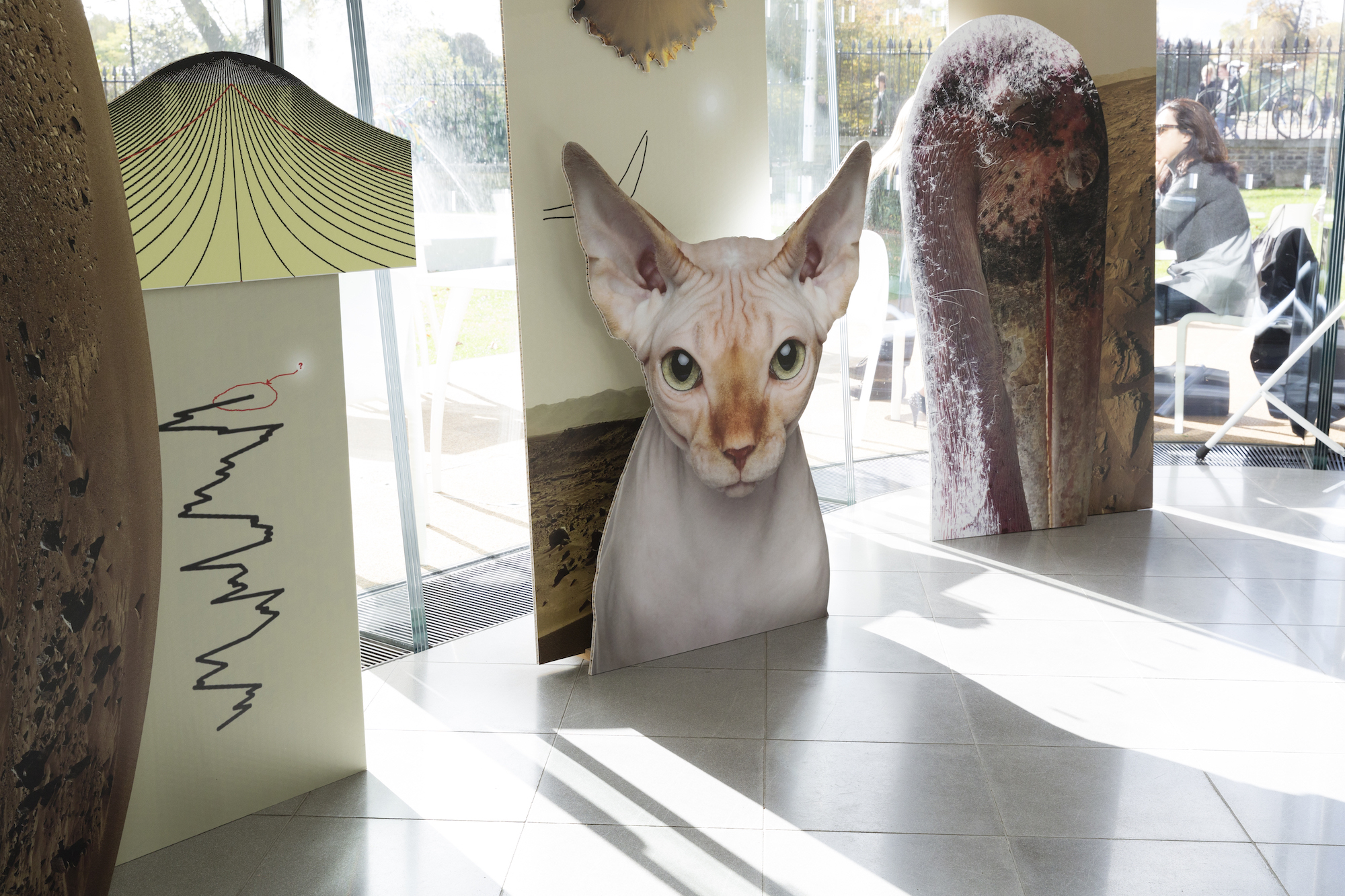
Mars Potential (cat)
UV-resistant digital print on 2 layers of aluminium dibond, cutout display
Mars Potential (climate)
UV-resistant digital print on 2 layers of aluminium dibond, cutout display
Mars Potential (marabou)
UV-resistant digital print on 2 layers of aluminium dibond, cutout display

Mars Potential (sunrise)
Digital print on 2 layers of aluminium cutout 125 x 250 x 45 cm 49 3/16 x 98 6/16 x 17 11/16 ins
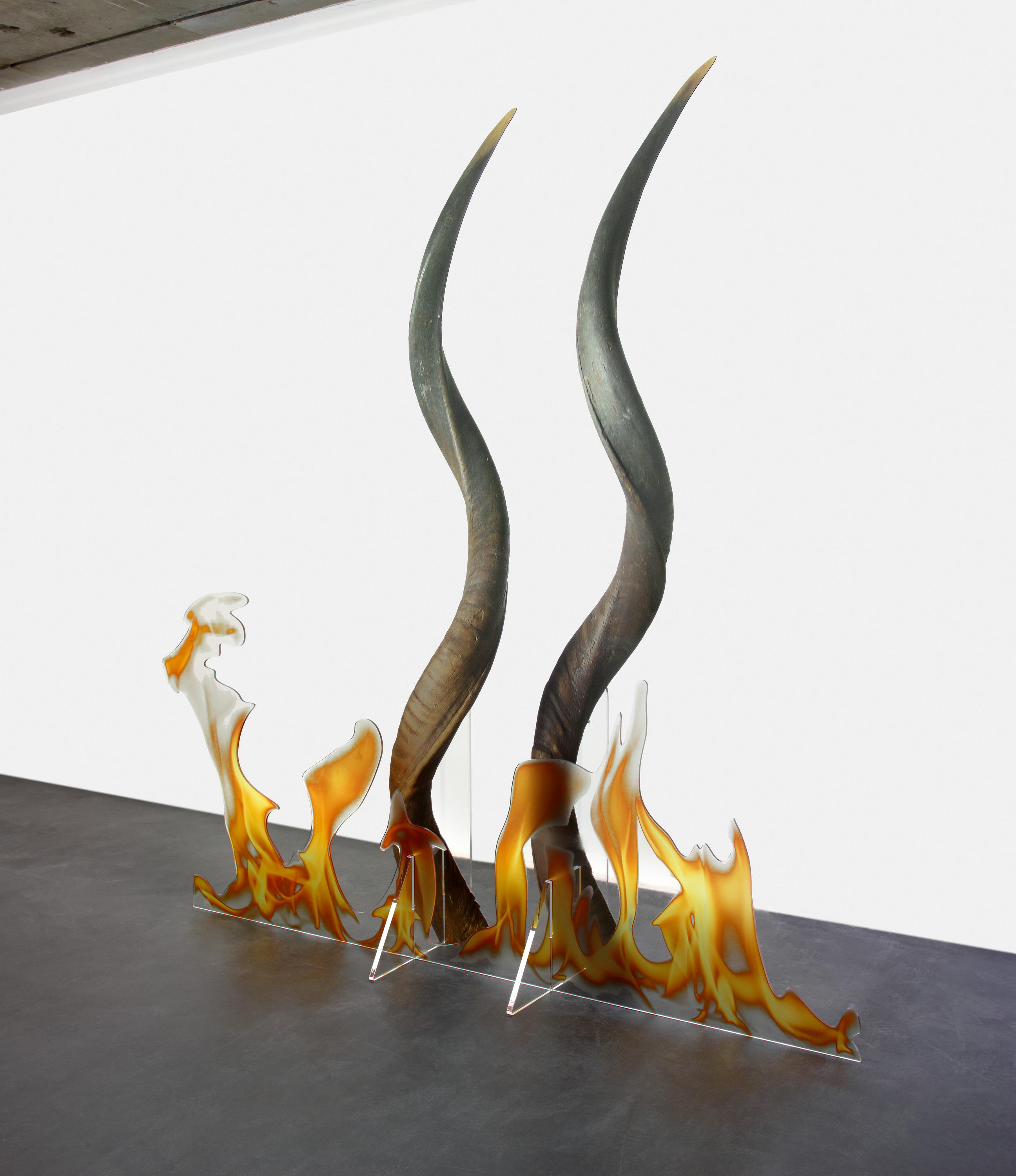
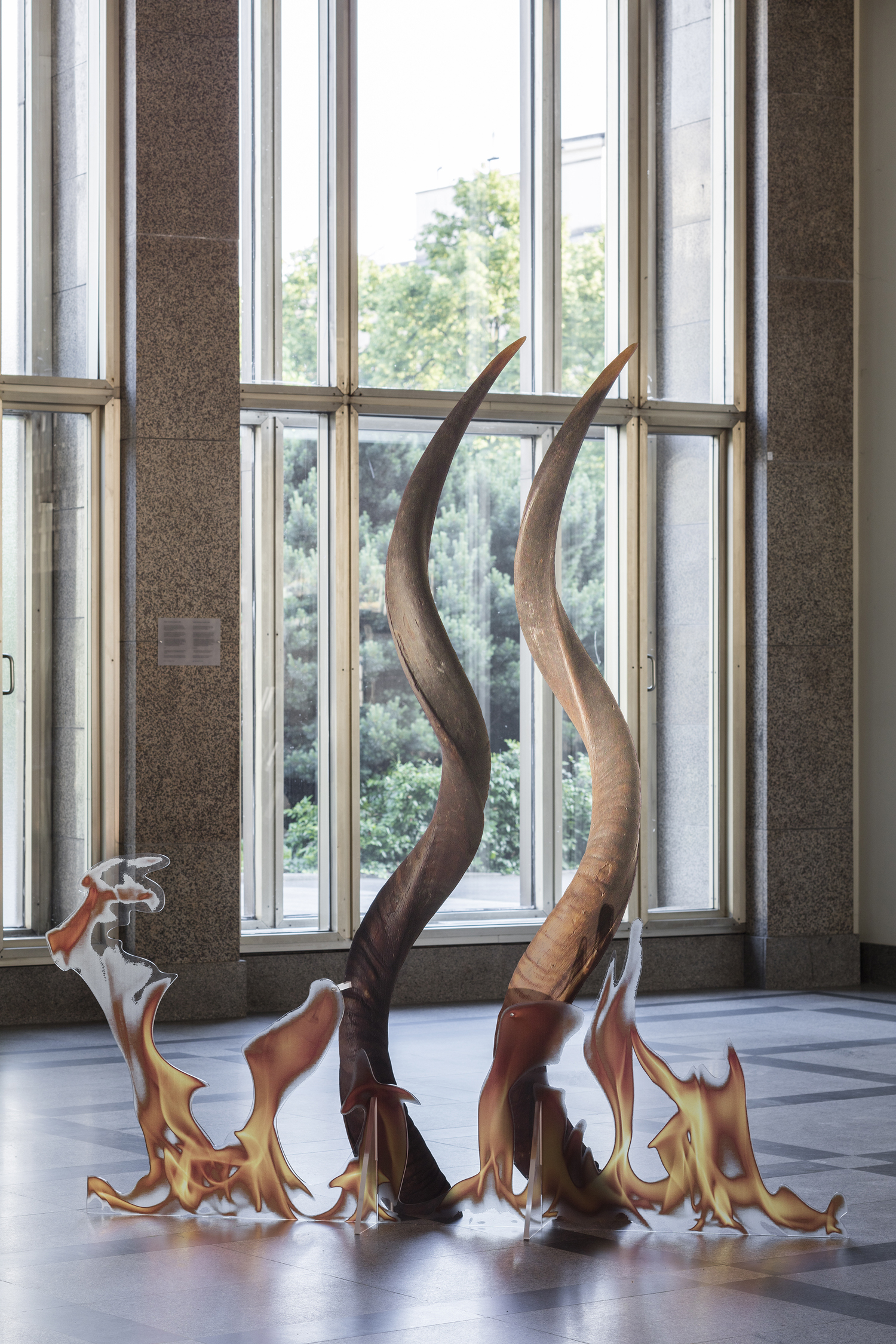

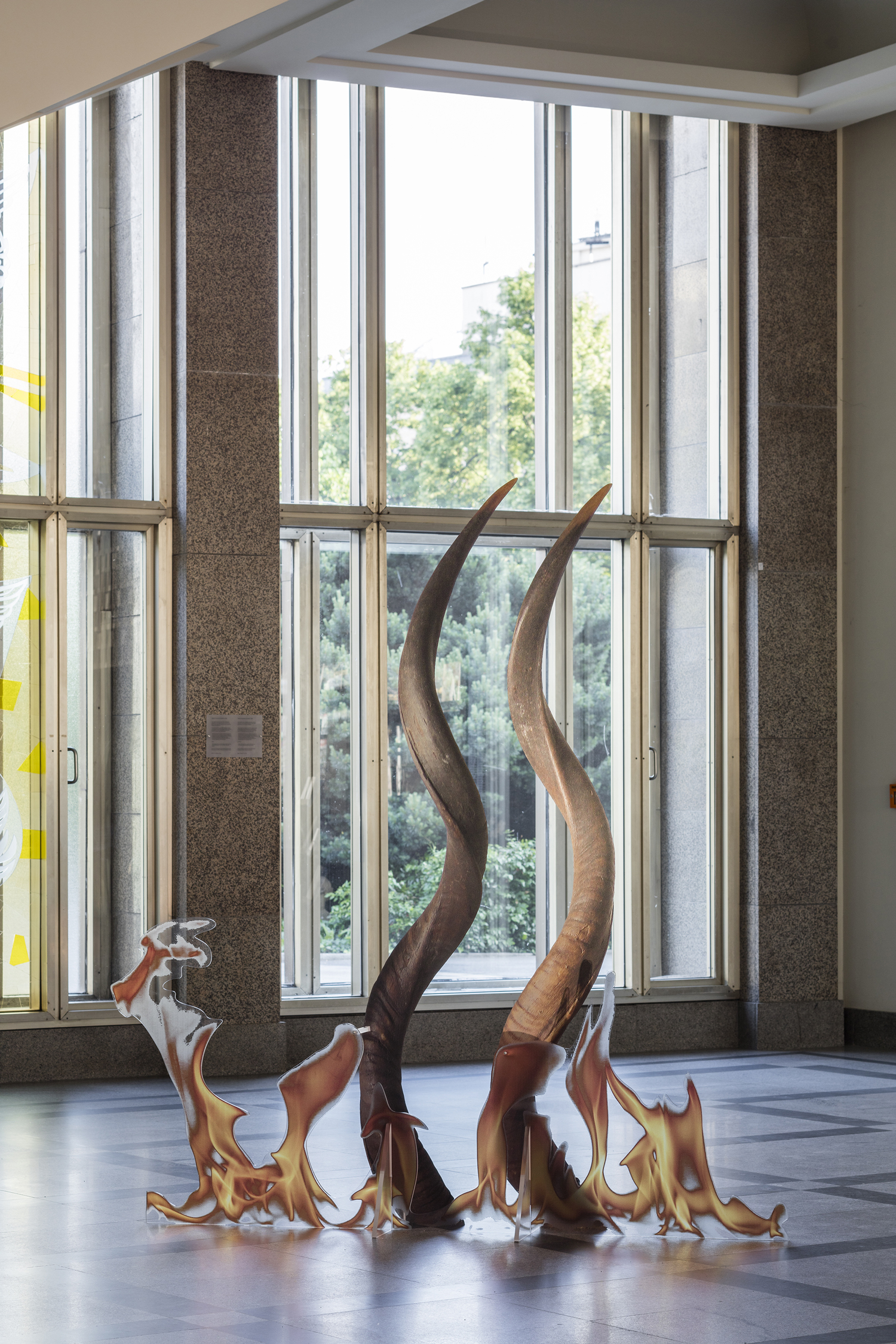
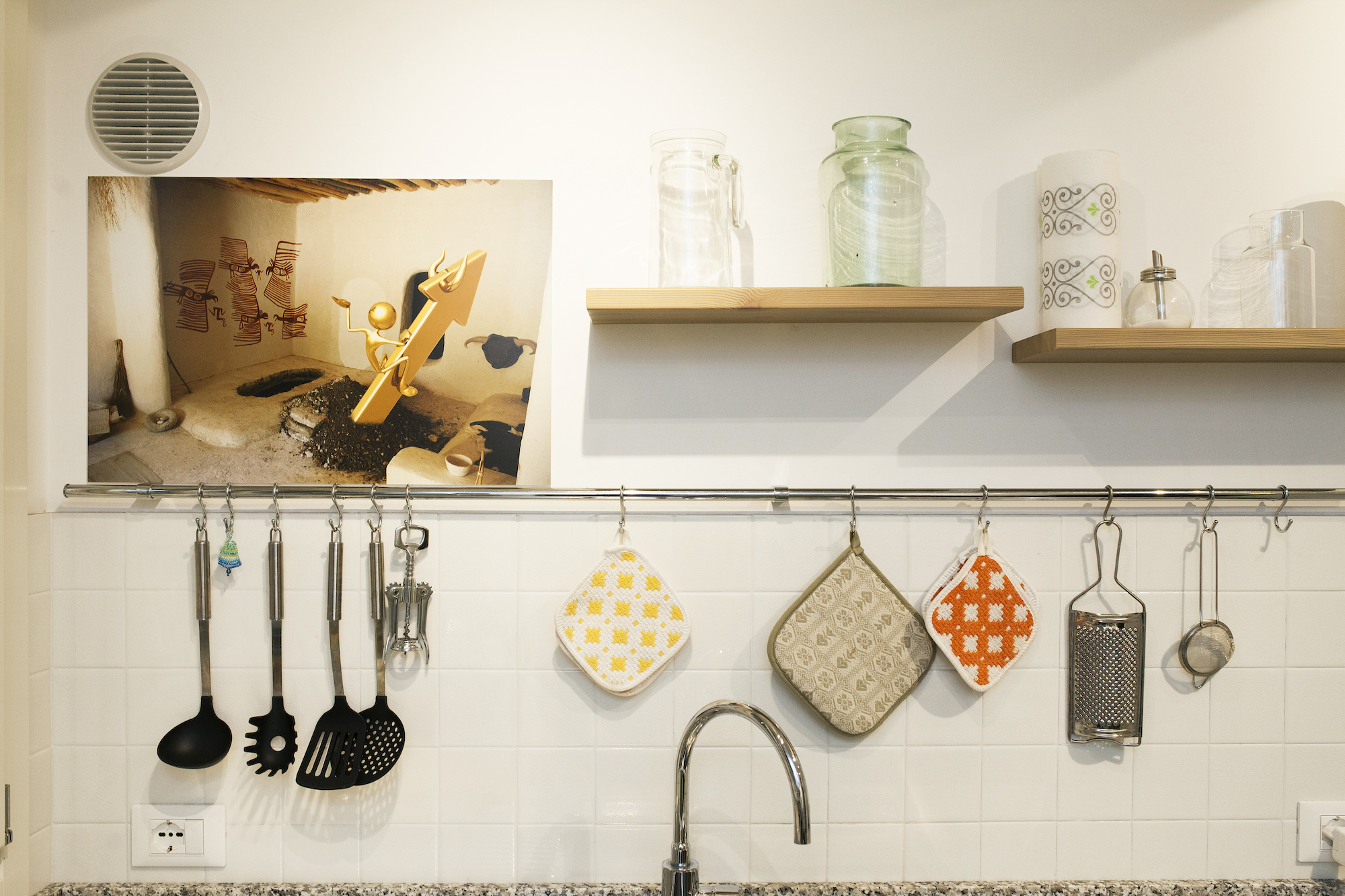
Neolithic Potential (fire worship, spiral horns)
Print on pet-g, UV resistant digital print on aluminium dibond, cutout display
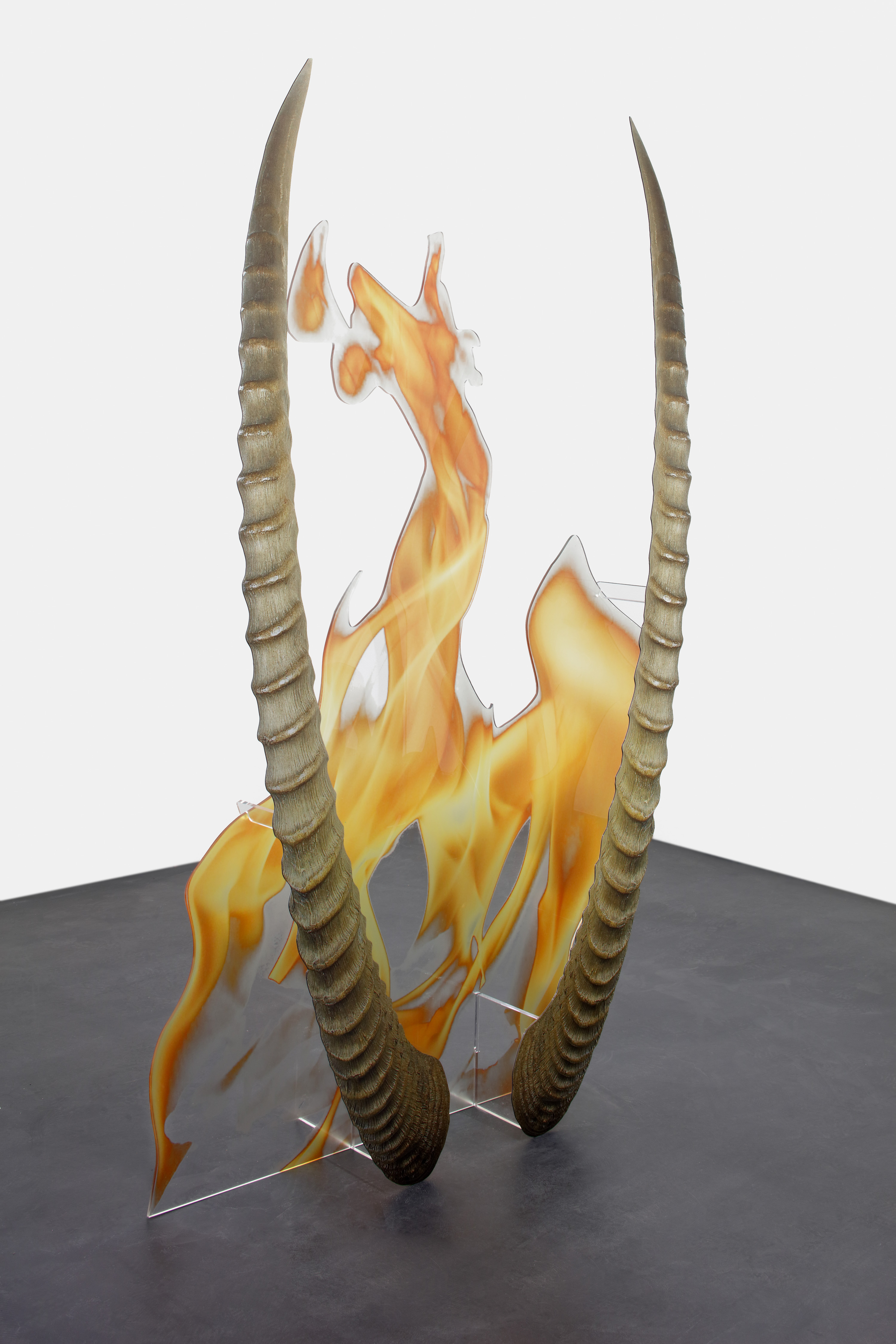
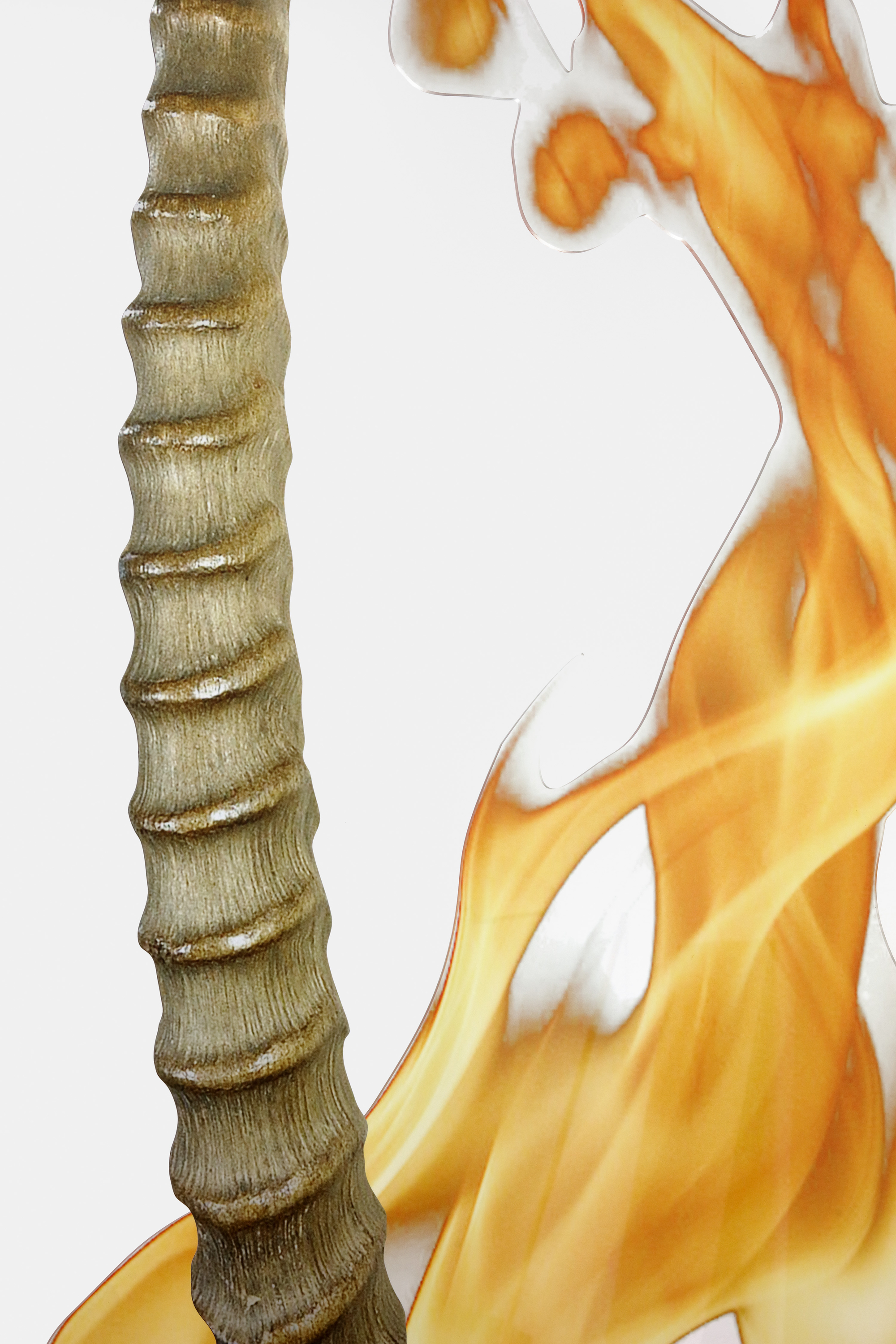
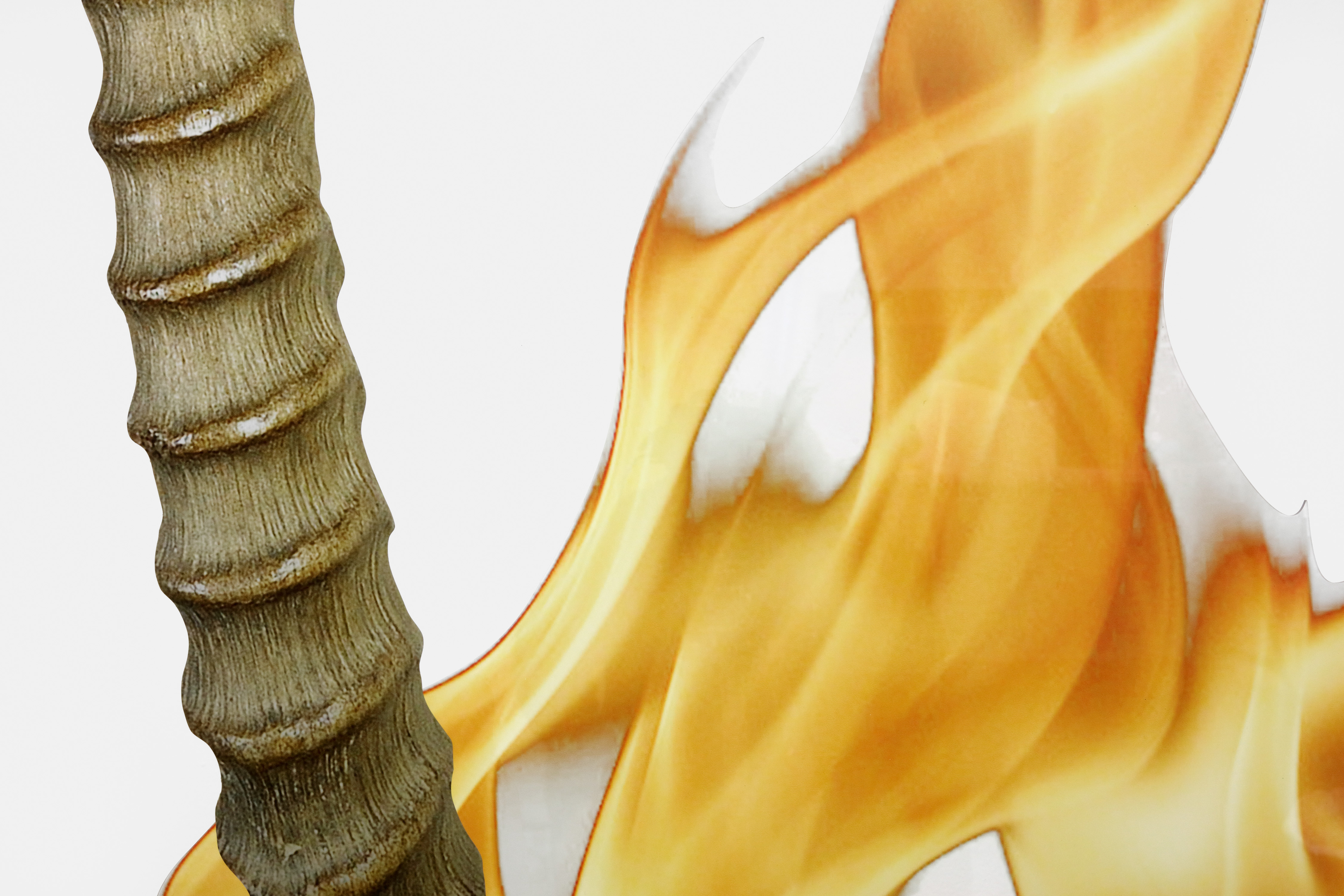
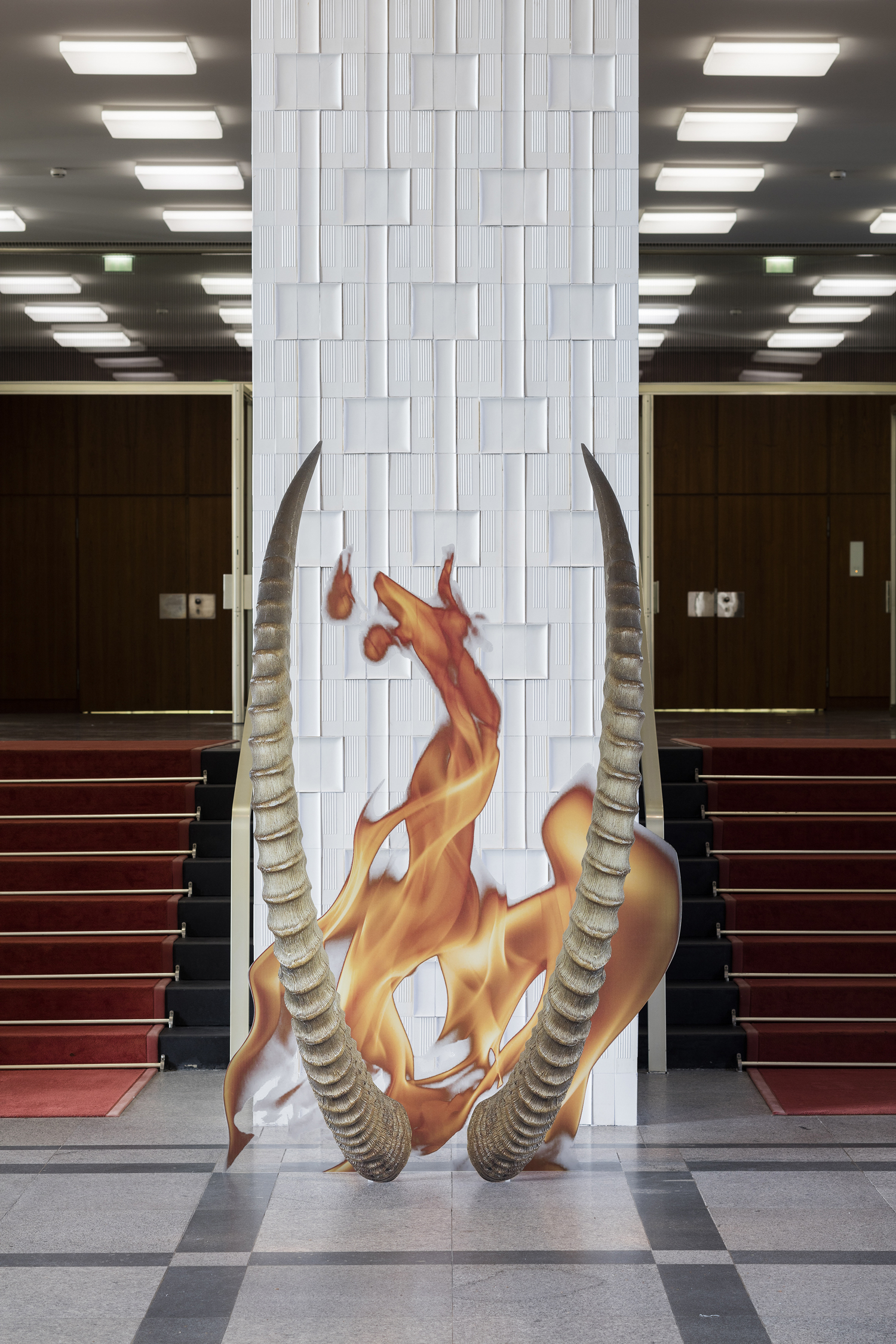
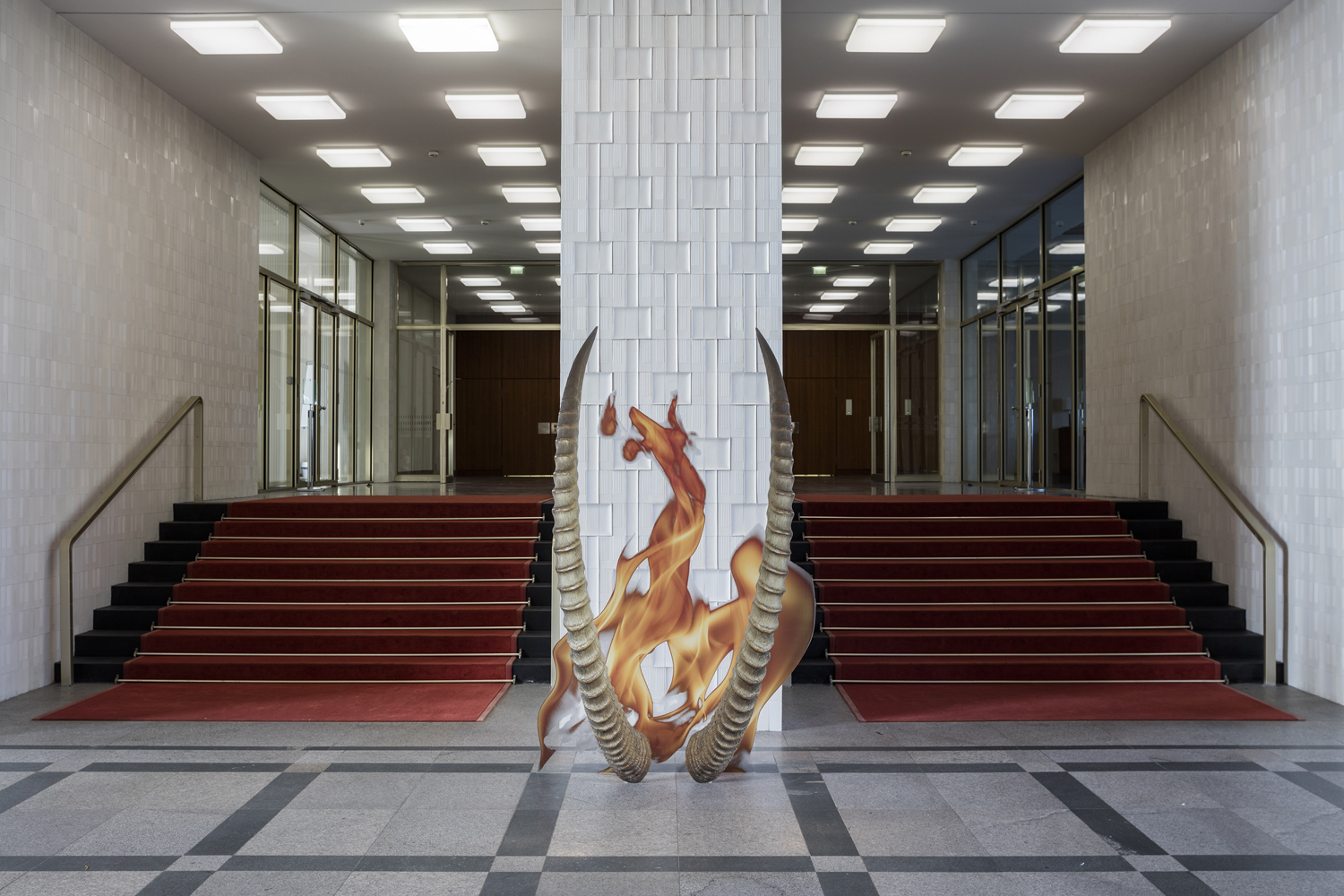
Neolithic Potential (fire worship, yellow horns)
Print on pet-g, UV resistant digital print on aluminium dibond, cutout display
.jpg)

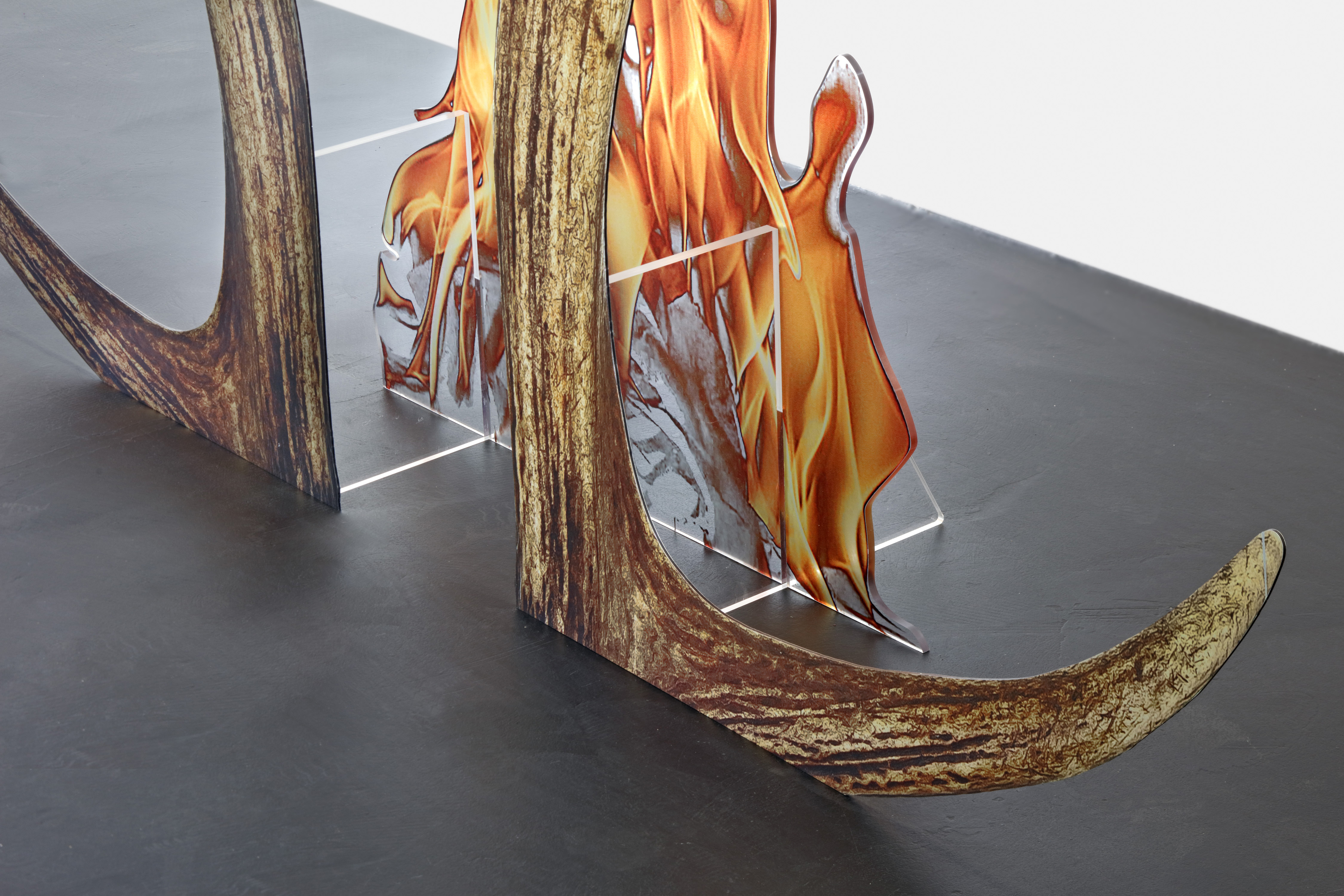
Neolithic potential (fire worship, deer horns)
Print on pet-g, UV resistant digital print on aluminium dibond, cutout display
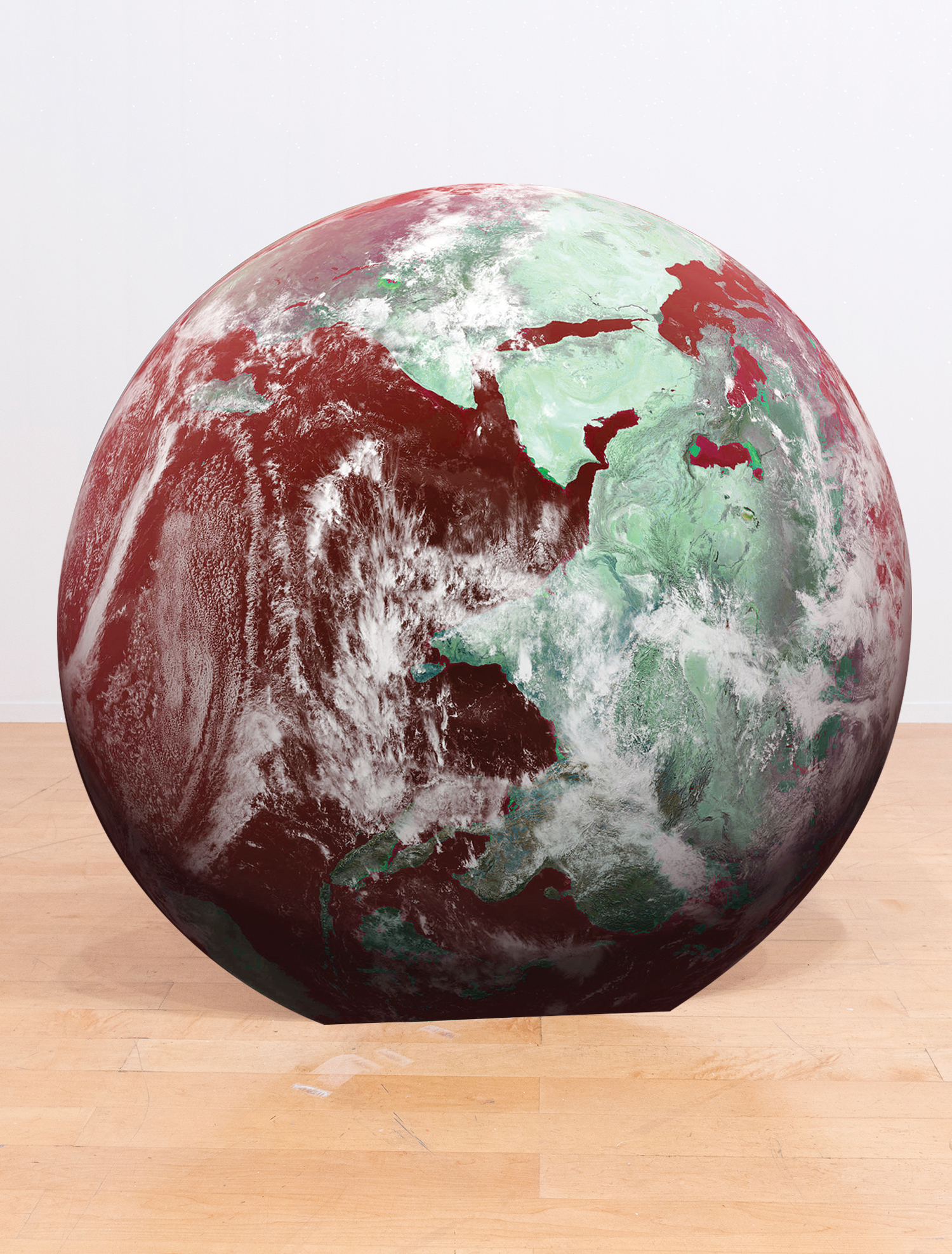
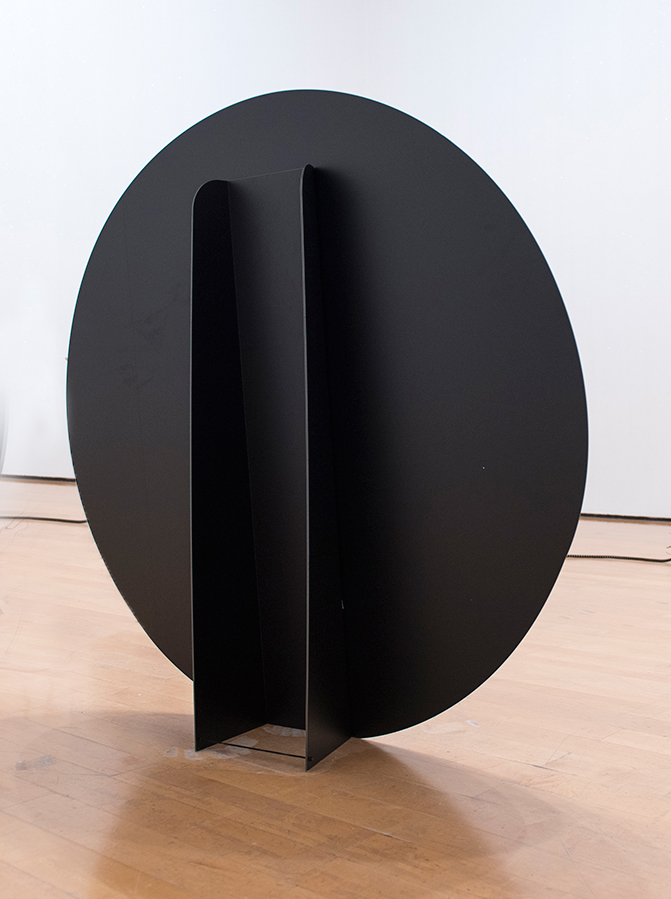
Planetary potential (red earth)
UV-resistant digital print on aluminium dibond, cutout display

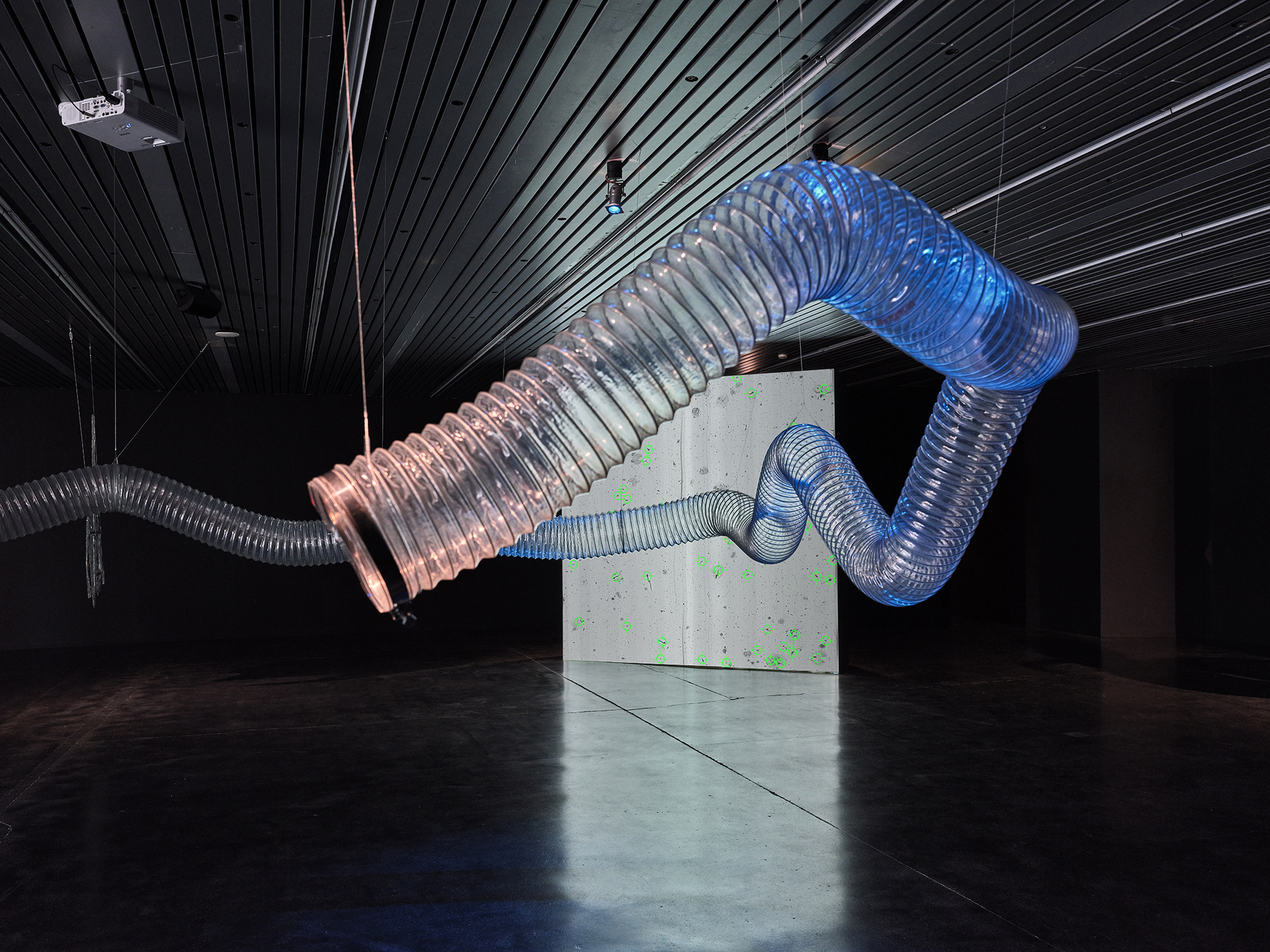


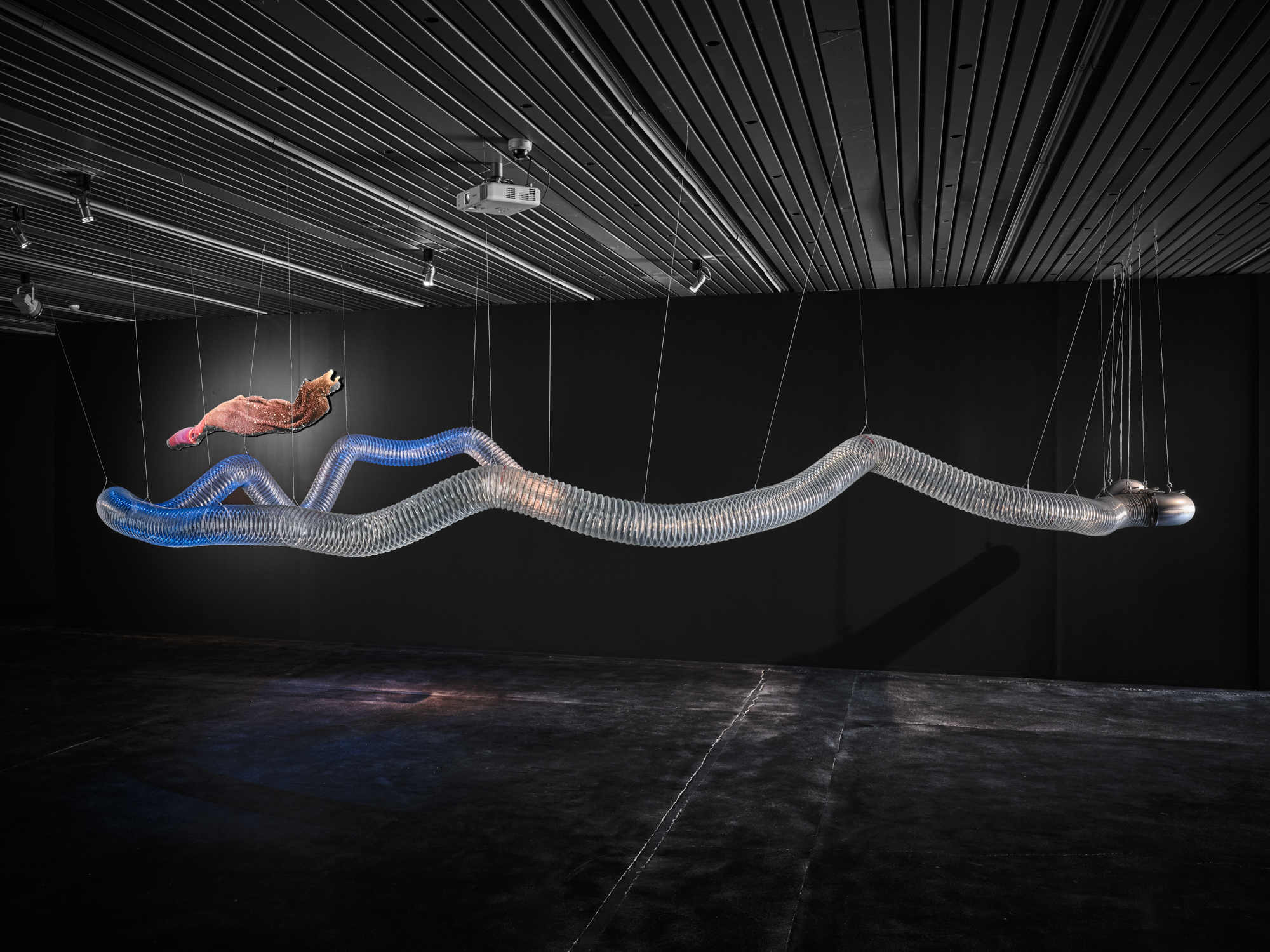
Plastivore Potential
Plastivore Potential, 2026 In collaboration with Sissel Tolaas unique smell, ventilation tubing and pipes, fan, filters variable dimensions